
Why website traffic should mould your day, not interrupt it
Most advice about converting website traffic into customers treats the web as a sales funnel in isolation. In a modern lifestyle—where people flit between apps, work, family and fitness—the website is one node in a continuous flow. Treating traffic as discrete events misses an opportunity: to design conversions that fit into daily rhythms rather than interrupt them.
Think of visitors as humans in motion—commuting, slotted into 10-minute breaks, or browsing from a smartwatch on the school run. The real conversion happens when your site respects those contexts and offers a low-friction next step that aligns with that moment. This mindset change reframes optimisation from “capture now” to “integrate now”.
Micro-moments and the attention architecture
A generation of micro-moments—quick, intent-rich interactions—demands an attention architecture built into your UX. Instead of bloated landing pages, design modular experiences: clear micro-actions (save for later, start a chat, request a voice reminder) that slot into pockets of time.
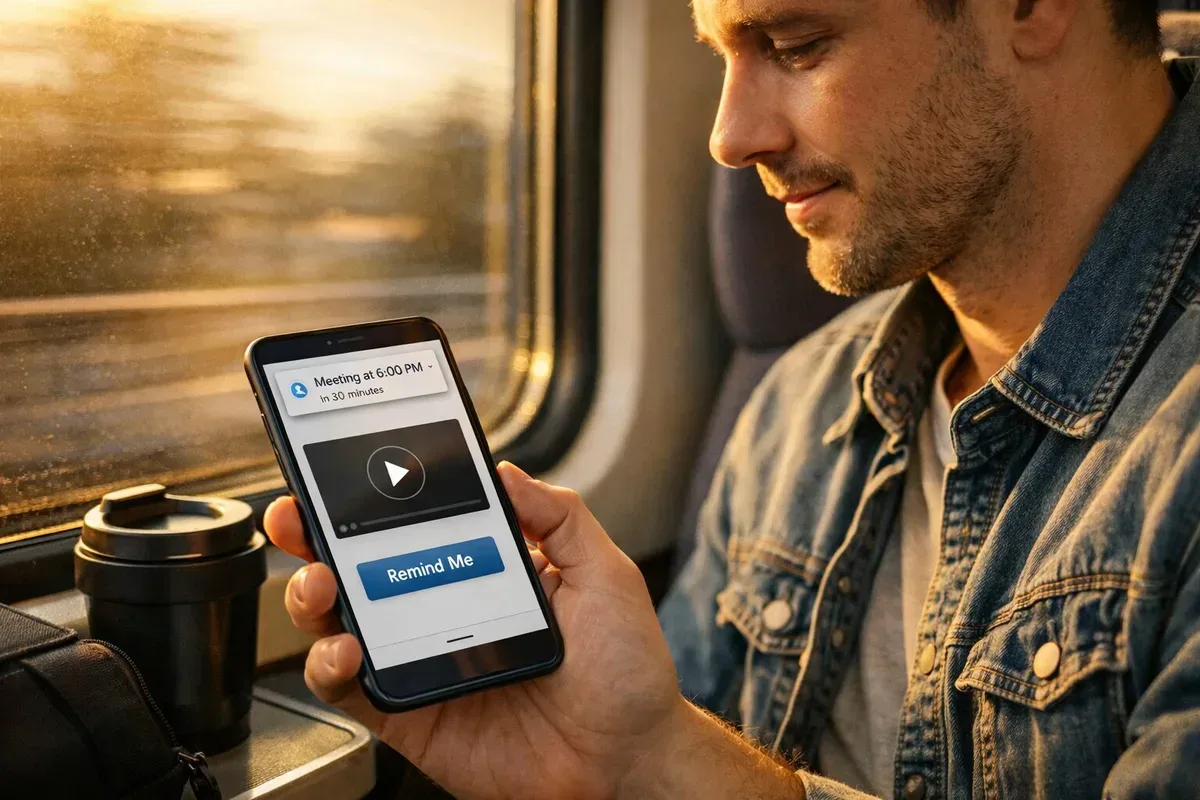
For example, a user on their lunch break might prefer a short video intro and a ‘remind me’ email rather than a long demo. A commuter might want a one-click callback at a scheduled time. These micro-actions increase conversion probability because they reduce cognitive load and respect the user’s available attention.
Lifestyle signals: personalising without being creepy
Lifestyle-driven personalisation is more potent than demographic targeting when done correctly. Rather than relying solely on invasive tracking, use contextual signals that are explicit and ethical: time of day, device type, referrer context and micro-conversions (e.g. downloading a PDF, watching 30 seconds of a case study).
Surface options that match these signals—weekend workshops for evening browsers, short audio tours for mobile visitors, or family-friendly packages for users browsing parenting blogs. By aligning offers with lifestyle signals, you create resonance that feels helpful rather than intrusive.
Automating relevance: how AI article generation fits the workflow
AI can be a rhythm keeper for modern businesses. Tools that generate targeted content automatically mean your site can serve timely, context-aware copy without overburdening your team. For example, short product explainers tailored to commute-length attention spans or seasonal pages produced automatically to match current search trends.
A practical example is using automatic article generation platforms to feed micro-content into your site and email sequences. Services like autoarticle.net can produce blog pieces optimised for WordPress or HubSpot that slot directly into your content calendar. When paired with a light editorial layer, this becomes a low-friction way to keep your site aligned with what your audience needs in real time.
Embedding conversion into daily rituals and workflows
The most resilient conversions happen when they become part of a routine. Think about how people build habits—morning coffee, an evening walk—and design touchpoints that can nest within those rituals. Examples:
– Push timely micro-offers via email at habitual check-in times.
– Offer brief, actionable checklists that users can save to their phone and revisit.
– Provide calendar-friendly demos that users can book in a single tap.
Operationally, map your customer journey to typical daily timelines and automate nudges that feel like a helpful part of the user’s day. This reduces friction and increases the chance a casual visitor becomes a returning lead.
Measuring conversions as life signals, not just clicks
Traditional metrics (bounce rate, time on page) are still useful but need reinterpretation through the lens of lifestyle integration. Track micro-conversions—reminders set, audio plays, snippets saved to read later—and tie them to long-term outcomes. Consider using cohort analysis based on time-of-day interactions or device-switch behaviour.
A/B tests should measure not only immediate purchases but how often a micro-action leads to a return visit within a week or a scheduled meeting within a month. This reveals which lifestyle-friendly tactics actually drive durable customer relationships.
Practical first steps for modern teams
Start small and instrument every micro-action. Audit your site for moments that could be shortened or made schedulable. Implement: short-form content variants, one-click reminders, and integrated scheduling. Use AI-assisted content generation to populate these micro-experiences rapidly, but always add a human review to preserve brand voice.
Finally, schedule regular reviews that map website interactions against typical user days. Make conversion optimisation a cultural habit rather than a quarterly checkbox.