
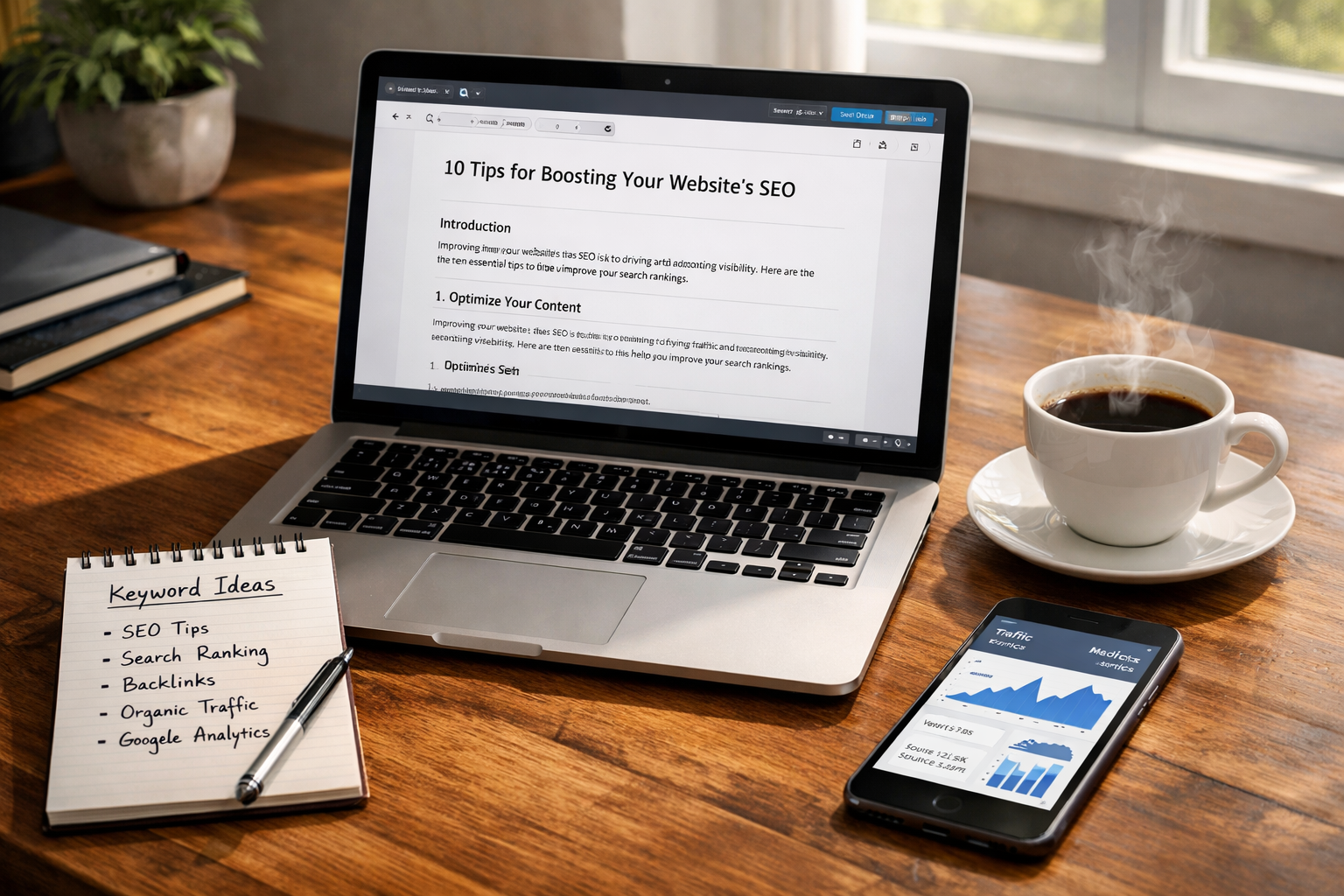
Introduction: Why Blogs Matter for SEO
Blogs remain one of the most effective long-term investments for organic search visibility. Regularly published, well-structured articles give search engines fresh, indexable pages and provide opportunities to target specific queries your audience searches for. Beyond pure ranking signals, blog posts help build topical authority, attract backlinks, and increase dwell time — all behaviours that search engines interpret as indicators of relevance and quality.
A strategic blog programme amplifies these benefits by aligning content with user intent, addressing frequently asked questions, and supporting conversion pathways. Whether you operate in B2B or consumer markets, a thoughtful blogging approach improves both discoverability and user engagement.
How Blogging Boosts Technical and Semantic SEO
Every new blog post creates a new entry point for search engines to crawl, index and serve to users. Properly optimised posts contribute to site structure through internal linking, logical URL patterns and consistent use of schema markup. Blogs also allow you to target long-tail keywords and natural language queries that are increasingly important in voice and conversational search.
Semantic SEO is strengthened by covering a topic comprehensively across multiple posts, using related terms and entities. This helps search engines understand the breadth and depth of your subject matter and improves the chance of ranking for a range of queries around a central theme.
Content Strategy: Planning, Keywords and User Intent
Effective blogs start with a clear content strategy. Identify high-value topics using keyword research, competitor analysis and customer insights. Prioritise intent: are readers researching, comparing or ready to purchase? Tailor the post format — how-to guides, listicles, case studies or thought leadership — to meet that intent.
Use a mix of evergreen content (long-lasting value) and timely pieces (news, trends) to balance sustained traffic with spikes of interest. Map content to the buyer journey and ensure each article includes calls to action that reflect the reader’s next step. Regularly update cornerstone content to keep it current and authoritative.
On-Page Optimisation and Best Practices
On-page elements remain essential for blog SEO. Optimise titles and meta descriptions for click-through rate while keeping them accurate to the page content. Use clear headings (H1, H2, H3) to structure articles for readers and crawlers. Include descriptive alt text for images and compress visual assets to improve page speed.
Write for humans first: avoid keyword stuffing and favour natural phrasing. Include internal links to related content and external links to reputable sources. Implement structured data where relevant (article, author, publish date) to increase the likelihood of enhanced search results such as rich snippets.
Scaling Content: Efficiency and AI Tools
Scaling a blog programme without sacrificing quality often requires systems and tools. Editorial calendars, templates and clear briefs help teams produce consistent output. AI-assisted writing can speed research, draft generation and localisation, but editorial oversight is critical to maintain accuracy and brand voice.
For teams seeking automation, services such as autoarticle.net offer automatic A.I. article generation tailored for both WordPress and HubSpot blogs, which can be a useful starting point for draft content and rapid publishing. Always review and adapt AI-generated copy to ensure factual correctness and alignment with your SEO and brand strategy.
Measuring Success and Iteration
Track performance using a combination of metrics: organic traffic, keyword rankings, bounce rate, time on page, backlinks and conversions attributable to blog content. Use tools like Google Search Console, analytics platforms and rank trackers to identify high-potential pages and underperforming posts.
Iterate based on data: refresh content with new information, expand thin articles, consolidate similar posts and experiment with different formats. Regular measurement and optimisation ensure your blog remains a growing asset for search visibility and lead generation.
Conclusion: Blogs as a Long-Term SEO Asset
A disciplined blogging strategy delivers compounded SEO value over time. By focusing on user intent, technical best practice, content quality and measured iteration, blogs can drive sustained organic growth and strengthen digital authority. Combine human editorial judgement with efficiency tools to scale without losing the relevance and trust that search engines and audiences reward.