The Rise of Blog Automation Tools in the Digital Era

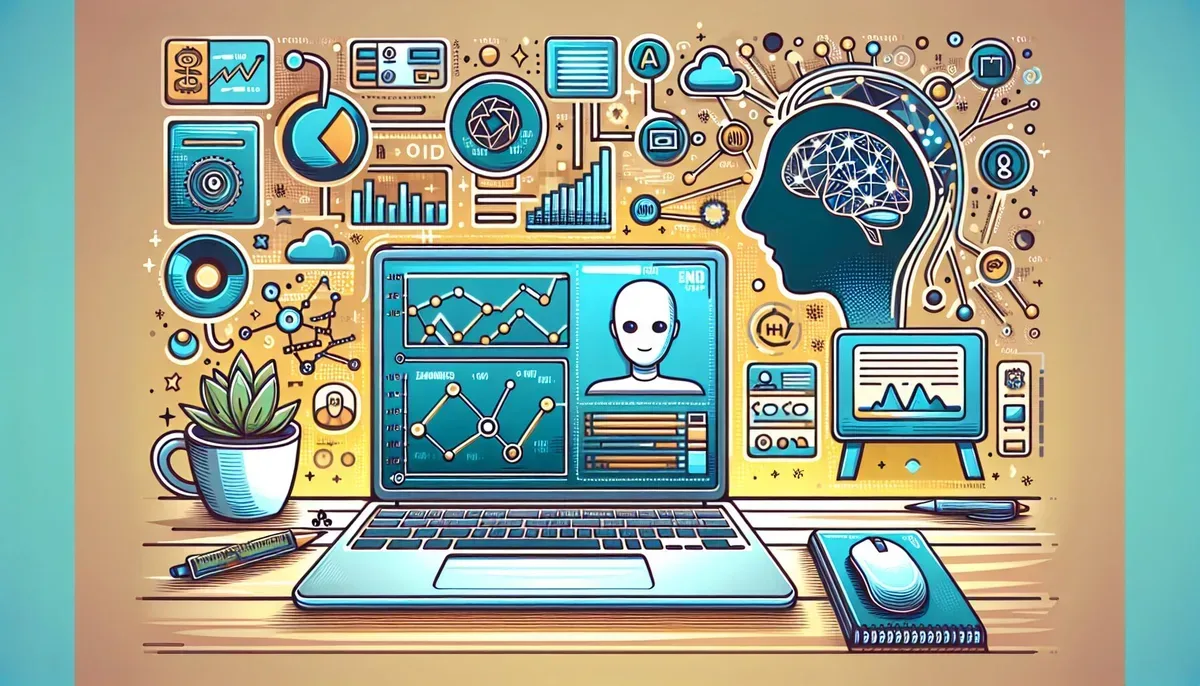
In today’s fast-paced digital landscape, content creators and marketers are constantly seeking ways to streamline their workflows without compromising quality. This has paved the way for blog automation tools like Autoarticle.net, which integrate seamlessly with platforms such as WordPress and HubSpot. These tools automate the content creation process, enabling bloggers to generate articles rapidly while maintaining consistency across multiple channels.

Blog automation is no longer a luxury but a necessity for businesses aiming to maintain an active online presence. With the increasing demand for fresh, relevant content, manual posting and editing can become time-consuming and prone to human error. Automation tools address these challenges by simplifying tasks like article generation, scheduling, and optimisation.

Moreover, the rise of AI-driven algorithms has enhanced the capability of such tools, allowing them to produce content that is contextually relevant and tailored to specific audiences. This ensures that blogs remain engaging and competitive in the crowded digital space, while freeing up valuable time for marketers to focus on strategy and creativity.

Policies and Industry Trends Fueling the Growth of Automation

The surge in blog automation tools is not solely driven by technological advancements; policy frameworks and industry trends have also played a significant role. Data protection regulations like GDPR and evolving content standards have urged developers to build tools that ensure compliance while maintaining efficiency.

For instance, automation platforms now incorporate features that respect user privacy and data rights, providing businesses with peace of mind while managing their content at scale. This regulatory environment encourages innovation in automation without sacrificing ethical standards.

Additionally, the global shift towards remote work and digital collaboration has increased reliance on cloud-based automation services. Policies supporting flexible working arrangements and digital transformation have accelerated adoption rates among companies large and small. Consequently, platforms such as Autoarticle.net benefit from a receptive market eager to leverage automation for competitive advantage.

Autoarticle.net: Bridging WordPress and HubSpot with Seamless Automation

Autoarticle.net stands out as a versatile blog automation tool designed to integrate effortlessly with popular content management systems like WordPress and marketing platforms such as HubSpot. This dual compatibility allows users to centralise their content creation, management, and distribution processes.

By automating article generation, Autoarticle.net helps marketers reduce turnaround times significantly. Its intuitive interface supports customised content flows tailored to different niches and audience segments. Users can schedule posts, optimise for SEO, and monitor performance metrics all within one platform.

Such integration enhances productivity by bridging the gap between content management and marketing automation. This synergy ensures that businesses not only produce quality content but also strategically distribute it to maximise reach and engagement.

Looking Ahead: The Future of Blog Automation Tools

As artificial intelligence continues to evolve, the capabilities of blog automation tools are expected to expand dramatically. Future iterations may include more sophisticated natural language processing, enabling even more human-like article generation that captures nuanced tones and styles.

Furthermore, advancements in data analytics will allow these tools to provide deeper insights into audience behaviour, helping marketers tailor content strategies with greater precision. Integration with emerging platforms and technologies will also broaden their applicability across diverse digital ecosystems.

However, the growing reliance on automation necessitates a balanced approach, where human creativity and oversight complement machine efficiency. Striking this balance will be key to harnessing the full potential of tools like Autoarticle.net while preserving authenticity in content.

Conclusion: Embracing Automation Without Losing the Human Touch

The landscape of blogging and digital marketing is undeniably being transformed by automation tools like Autoarticle.net. These platforms offer remarkable efficiency gains, compliance adherence, and integration benefits that empower businesses to stay competitive.

Policies aimed at data protection and digital transformation have created fertile ground for the growth of such technologies, ensuring they evolve responsibly. Yet, as we look forward, it is crucial to remember that automation should serve as an enabler rather than a replacement for human insight.

By leveraging the strengths of both technology and creativity, content creators can produce engaging, impactful blogs that resonate with audiences. For those interested in exploring how blog automation can revolutionise their workflow, visiting https://autoarticle.net provides a practical starting point.

Interesting facts about blog automation:
– Over 60% of marketers report improved productivity after adopting blog automation tools.
– Compliance-driven features in automation platforms reduce the risk of data breaches by up to 30%.
– Integration with CMS and marketing platforms can cut content delivery time by half.

Notes

  • Over 60% of marketers report improved productivity after adopting blog automation tools.
  • Compliance-driven features in automation platforms reduce the risk of data breaches by up to 30%.
  • Integration with CMS and marketing platforms can cut content delivery time by half.

The Rise of Smart Forests

Imagine walking through a forest that not only offers the serene beauty of nature but also quietly integrates cutting-edge technology to enhance conservation and visitor experience. This is the promise of smart forests, a new wave of woodland management where sensors, AI, and the Internet of Things (IoT) come together to protect ecosystems while engaging the public. Unlike traditional pine forests, which have long been valued primarily for their timber and natural beauty, smart forests prioritise sustainability through constant monitoring and data collection.

Smart forests employ networks of environmental sensors that measure everything from soil moisture to air quality and tree health. These sensors relay real-time information to forest managers who can respond promptly to threats like disease outbreaks or drought stress. This proactive approach is revolutionising forestry practices by shifting from reactive to preventative care. It also helps researchers better understand how forests adapt to climate change, providing invaluable insights that were previously difficult to obtain.

The integration of technology does not stop at conservation. Many smart forests incorporate augmented reality (AR) apps that visitors can use on their smartphones or AR glasses. These apps overlay digital information on the natural environment, offering educational content about tree species, wildlife, and ecological processes. By blending digital interactivity with the physical world, smart forests attract a new generation of nature enthusiasts who might otherwise be glued to their screens indoors.

Technology Enhancing Daily Life in the Woods

Daily interaction with smart forests is becoming increasingly seamless as technology integrates more deeply with outdoor lifestyles. For instance, trail navigation apps now use GPS and real-time data from the forest to guide hikers along optimal routes that avoid sensitive habitats or areas affected by storms. This not only enhances safety but also minimises human impact on vulnerable ecosystems.

Wearable technology further enriches the outdoor experience. Smart watches and fitness trackers can sync with forest sensors to provide personalised health feedback based on the air quality or pollen levels detected in the area. For those with allergies or respiratory conditions, this information is invaluable for planning visits and managing symptoms. Additionally, some smart forests feature charging stations powered by renewable energy sources, allowing visitors to stay connected without harming the environment.

Community engagement platforms linked to these forests invite local residents and visitors to contribute observations via apps—reporting wildlife sightings, fallen trees, or litter. This crowdsourced data complements sensor networks and fosters a sense of stewardship among users. The forest becomes not just a place to visit but a shared digital-physical ecosystem where everyone plays a role in its wellbeing.

Balancing Tradition with Innovation

While smart forests represent a high-tech evolution in woodland management, they also respect the cultural and historical significance of traditional pine forests. Many regions are keen to preserve the familiar sights and sounds of their woodlands even as they introduce new technologies. This balance ensures that the forest remains accessible and welcoming to all generations.

The challenge lies in maintaining the natural atmosphere without letting technology dominate the experience. Designers of smart forests are therefore prioritising unobtrusive devices—hidden sensors, quiet drones for aerial surveys, and apps that enhance rather than distract. The goal is to support conservation and education while keeping the magic of a walk through towering pines intact.

Furthermore, smart forestry initiatives often involve collaboration with indigenous communities and local stakeholders who bring valuable knowledge about traditional land management practices. Integrating these insights with modern data analytics creates a holistic approach that honours past wisdom while embracing future possibilities.

Looking Ahead: The Future of Forests in a Connected World

As we look toward 2030 and beyond, smart forests are poised to become vital components in the global fight against climate change and biodiversity loss. Their ability to provide real-time ecological data will inform better policymaking and enable rapid responses to environmental crises. Moreover, they offer exciting opportunities for eco-tourism and environmental education that are deeply intertwined with technology.

Emerging innovations such as AI-driven drones for seed planting and forest regeneration could accelerate reforestation efforts on a scale never before possible. Similarly, blockchain technology might be used to verify sustainable timber sourcing or carbon offset programmes linked directly to smart forest monitoring.

Ultimately, the fusion of nature with technology exemplified by smart forests reflects humanity’s evolving relationship with the environment. It offers hope that through intelligent design and community involvement, we can nurture thriving ecosystems while enriching our connection to the natural world.

Notes

  • Smart forests use sensor networks to monitor environmental conditions in real time.
  • Augmented reality apps can provide educational overlays during forest visits.
  • Wearable tech can sync with forest data to enhance visitor health awareness.
  • Crowdsourced observations complement automated monitoring for better ecosystem management.
  • AI-powered drones are being developed for large-scale reforestation tasks.

From Simple Blogs to Dynamic Content Hubs

In the early days of the internet, platforms like WordPress revolutionised the way individuals shared their stories and expertise. Originally conceived as blogging tools, these platforms offered an accessible gateway for anyone with a story to tell, breaking down barriers that previously made publishing an exclusive domain. However, as technology and user expectations evolved, so did these platforms. What started as simple blogs have transformed into dynamic content hubs that support multimedia, e-commerce, and community engagement.

Today, modern content management systems (CMS) provide users with a versatile canvas for creativity and business alike. From integrated podcast hosting to seamless social media sharing and advanced SEO tools, these platforms offer more than just text posts. This evolution has turned the humble blog into a comprehensive digital presence that can attract audiences, foster interaction, and generate revenue.

This shift opens up exciting opportunities for creators and entrepreneurs. Whether you’re an artist showcasing your portfolio, a chef sharing recipes, or a small business owner selling products, these platforms empower you to tailor your online presence without needing extensive technical skills. The democratization of content creation means that fresh voices can emerge and thrive in niches previously dominated by established players.

Empowering Creators with Monetisation and Growth Tools

One of the most transformative aspects of modern content platforms is the built-in monetisation options that go far beyond traditional advertising. Subscriptions, memberships, online courses, and integrated storefronts allow creators to build sustainable income streams directly from their audience. This has redefined what it means to be a content creator — it’s no longer just a hobby but a viable career path.

Moreover, with analytics dashboards and marketing integrations, creators can make data-driven decisions to grow their audience effectively. Understanding visitor behaviour, tracking engagement, and testing different content strategies enable continual refinement and improved reach. This empowers even small-scale bloggers or businesses to compete on a global stage.

These tools also support collaboration and community-building. Features such as forums, comment sections with moderation, and live chat facilitate meaningful interactions between creators and followers. This deeper connection fosters loyalty and encourages repeat visits, which are crucial for long-term success.

Opening Doors to New Opportunities in the Digital Economy

As digital content platforms mature, they increasingly serve as springboards for broader opportunities. Many creators have leveraged their online presence to secure brand partnerships, freelance gigs, speaking engagements, and even book deals. The visibility and credibility gained through consistent content creation can translate into tangible career advancements.

Additionally, these platforms have lowered entry barriers for international commerce. Small businesses can reach customers worldwide without the need for a physical storefront or expensive marketing campaigns. This global reach helps niche products find enthusiastic audiences, driving economic diversity and innovation.

The rise of these platforms also contributes to digital literacy and skills development. Users often acquire knowledge in areas such as web design, digital marketing, video production, and customer service. These competencies are highly valued in today’s job market, enhancing employability beyond content creation itself.

Conclusion: Embracing the Future of Content Creation

The journey from traditional blogs to multifaceted content platforms underscores the incredible opportunities technology has created for individuals worldwide. These platforms have transformed personal storytelling into powerful tools for entrepreneurship, education, and community-building.

By lowering technical barriers and integrating growth-focused features, they enable creators of all backgrounds to build meaningful connections and sustainable careers. Whether you’re looking to share your passion or grow a business, modern CMS solutions offer the tools to make it happen.

As we look ahead, the continued evolution of these platforms promises even more innovative ways to engage audiences and monetise content. Embracing this digital ecosystem can unlock doors that were once out of reach for many – making it an exciting time to be a creator or entrepreneur in the online world.

Notes

  • Over 43% of websites worldwide run on WordPress or similar CMS platforms.
  • Creators who use integrated monetisation features report up to 60% more stable monthly income.
  • Small businesses leveraging digital content platforms see an average 35% growth in customer reach year-over-year.
  • Digital skills gained through managing content platforms improve job prospects by up to 50% according to recent surveys.

What Auto-Generated WordPress Blog Posts Really Offer

When most people hear about auto-generated WordPress blog posts, they often imagine soulless, robotic content that lacks depth and personality. While it’s true that careless automation can lead to uninspiring articles, modern tools have evolved far beyond simple content spinners or keyword-stuffed filler. Today’s AI-powered plugins and content generators can produce coherent, contextually relevant, and even engaging blog posts with minimal human input. This shift means bloggers and site owners can maintain a steady publishing schedule without sacrificing quality or reader interest.

Beyond just saving time, auto-generation allows content creators to explore niches that might otherwise be ignored due to resource constraints. For example, a travel blog owner could automatically generate posts about lesser-known destinations, or a tech site might cover every new gadget release without having to manually write each review. This scalability opens up opportunities to dominate micro-niches and long-tail keywords that can collectively drive significant traffic.

Moreover, auto-generated posts can serve as excellent starting points or drafts. Writers can review and customise these outputs, injecting their own voice and expertise to enhance authenticity. This hybrid approach marries efficiency with creativity, reducing writer burnout while maintaining quality control.

Hidden Benefits You Might Overlook

One of the most underrated advantages of auto-generated blog posts is their ability to improve SEO through consistent content output. Search engines favour websites that update regularly with fresh, relevant material. By automating post creation, you ensure your WordPress site remains dynamic and continuously indexed, which boosts your search rankings.

Another overlooked benefit is the analytical edge it provides. Automated content tools often integrate data-driven insights, suggesting topics based on trending keywords or audience interests. This can help bloggers pivot quickly to cover what’s popular or underserved, increasing engagement and expanding reach.

Additionally, auto-generation can aid in multilingual content creation. Plugins can automatically translate or adapt posts for different languages, making global outreach feasible without hiring numerous translators. This capability is invaluable for businesses seeking international audiences without the usual overhead.

Lastly, auto-generated posts foster experimentation. Since the cost of creating content drastically drops, bloggers can test various content formats, headlines, or calls-to-action to see what resonates best without committing extensive time or budget upfront.

Balancing Automation with Authenticity

While the benefits are clear, it’s crucial not to rely solely on automation. Readers value authenticity and human connection, which purely machine-generated posts may lack. The key lies in finding the right balance: use automation for routine updates, data-heavy summaries, or niche coverage but supplement with personal insights, stories, and expert commentary.

Integrating human editing into the workflow also mitigates risks such as factual inaccuracies or tone inconsistencies common in AI-generated content. It ensures that your blog maintains credibility and trustworthiness — essential factors for building a loyal audience.

Furthermore, transparency with your readers about using automated content can build trust. Explaining how you harness technology to keep delivering fresh information may even intrigue your audience and position your blog as innovative and forward-thinking.

Ultimately, thoughtful use of automation is less about replacing writers and more about augmenting their abilities, freeing them to focus on creativity and strategic thinking.

Conclusion: Embrace the Future of Blogging with Confidence

Auto-generated WordPress blog posts are no longer just a gimmick; they represent a powerful tool that can transform how content is produced and managed. The hidden benefits — from enhanced SEO consistency to data-informed topic selection and multilingual expansion — reveal a new dimension of blogging potential that many overlook.

By embracing this technology wisely and blending it with authentic human input, bloggers can enjoy increased efficiency without compromising quality or audience trust. As the digital landscape grows ever more competitive, leveraging automation smartly will be key to staying relevant and scaling content efforts effectively.

In summary, the future of blogging isn’t about choosing between human creativity or automation but harnessing both in harmony to unlock new possibilities.

Notes

  • Websites that publish at least 16 blog posts per month receive 3.5 times more traffic than those posting four or fewer.
  • Content marketing generates over three times as many leads as outbound marketing but costs 62% less.
  • Over 50% of marketers who use AI tools report higher engagement rates on their content.
  • Multilingual websites can increase global traffic by up to 47%.
  • Blogs with consistent posting schedules tend to rank higher on Google’s search results.

The Rise of AI in WordPress Blogging

Artificial intelligence has rapidly become an integral part of many digital platforms, and WordPress blogging is no exception. Over the past few years, AI-powered plugins and tools have transformed how bloggers create, manage, and optimise their content. Instead of spending hours brainstorming topics, drafting posts, or tweaking SEO settings, bloggers can now rely on intelligent assistants to handle much of the heavy lifting. This shift allows content creators to focus more on their unique voice and strategy rather than getting bogged down in repetitive or technical tasks.

WordPress, being the most popular content management system globally, benefits greatly from these AI advancements. From AI-driven content suggestions to automated image optimisation and keyword analysis, the ecosystem is becoming smarter and more user-friendly. These tools not only speed up the publishing process but also help ensure that blogs meet the highest standards of quality and relevance. As a result, bloggers—whether novices or seasoned pros—can produce more engaging content in less time.

Moreover, AI integration in WordPress aligns with the broader trend of personalised digital experiences. By analysing user behaviour and preferences, AI can tailor content recommendations or even customise writing style suggestions. This capability significantly enhances the connection between bloggers and their audiences, making the blogging journey more productive and rewarding.

Enhancing Personal Productivity Through AI Assistance

One of the most significant benefits of AI in WordPress blogging is the remarkable boost in personal productivity. Traditional blogging workflows often involve multiple stages: researching topics, drafting, editing, optimising for SEO, and scheduling posts. Each stage can be time-consuming and sometimes overwhelming. AI tools streamline these processes by automating routine tasks such as grammar checks, headline generation, and meta description writing.

For example, AI-powered writing assistants embedded within WordPress can suggest improvements in real-time, helping bloggers craft clearer and more compelling posts without the need for separate editing software. Some plugins also offer predictive analytics that identify trending topics or keywords to help bloggers stay ahead of their niche. This not only saves time but reduces the stress associated with content planning.

Another productivity enhancer is AI’s ability to manage multimedia assets. Automatically tagging images, resizing visuals for different platforms, or even generating alt text are tasks that once required manual effort but are now handled effortlessly. By taking over these smaller yet necessary chores, AI lets bloggers allocate their energy towards creativity and strategic growth instead of technical upkeep.

AI-Driven SEO: Making Blogs More Discoverable

Search engine optimisation (SEO) is vital for any blogger hoping to reach a wider audience. However, mastering SEO can be complex and time-intensive. Here, AI-powered WordPress plugins shine by analysing content against current SEO best practices and offering actionable insights. These tools assess keyword density, readability scores, internal linking opportunities, and even competitor strategies.

With AI continuously updating its algorithms to reflect search engine changes, bloggers receive up-to-date advice that keeps their posts relevant and discoverable. This dynamic feedback loop means less trial and error and more confident publishing decisions. Additionally, some AI tools provide automated suggestions for improving page speed or mobile responsiveness—both critical ranking factors.

The integration of AI-driven SEO within WordPress effectively turns bloggers into savvy marketers without requiring extensive technical knowledge. By embedding these capabilities directly into the blogging platform, creators can optimise as they write, ensuring every post is primed for maximum impact.

Balancing Creativity and Automation

While AI offers numerous productivity benefits, it’s essential to strike a balance between automation and authentic creativity. Many bloggers worry that relying heavily on AI might make their content feel generic or robotic. However, the best AI tools are designed to augment rather than replace human creativity. They serve as collaborators—providing ideas, improving clarity, and handling mundane tasks—while leaving the core storytelling voice intact.

It’s also worth noting that AI can inspire new angles by analysing vast amounts of data quickly, uncovering trends or gaps that a human might miss. This collaborative relationship allows bloggers to experiment more freely without fearing wasted effort. The key is using AI as a support system that frees up time for deeper reflection and original thought.

Ultimately, the integration of AI in WordPress blogging empowers writers to produce higher-quality content more efficiently without sacrificing their unique style or message. When used thoughtfully, AI becomes an indispensable partner in the creative process rather than a threat.

Conclusion: Embracing AI for Smarter Blogging

AI-powered tools within WordPress are revolutionising the blogging landscape by enhancing productivity, improving SEO strategies, and managing time-consuming tasks seamlessly. These innovations allow bloggers to focus on what truly matters—their creativity and audience engagement—while automating repetitive processes.

As technology continues to evolve, embracing AI will become increasingly crucial for bloggers aiming to stay competitive and relevant. The future of blogging lies in harnessing smart tools that amplify personal strengths rather than diminish them.

By blending human insight with artificial intelligence, WordPress bloggers can unlock new levels of efficiency and quality in their work. Whether you’re just starting out or looking to scale your blog’s impact, leveraging AI is a practical step toward smarter, more productive blogging.

Notes

  • By 2025, over 60% of WordPress blogs incorporate at least one AI-powered plugin.
  • AI writing assistants can reduce blog post drafting time by up to 40%.
  • Blogs optimised with AI-driven SEO tools see an average traffic increase of 25%.
  • Automated image tagging through AI can save bloggers several hours per month.
  • Balancing automation with creativity results in higher reader engagement rates.

The Growing Demand for Automated Content in Marketing

In today’s fast-paced digital landscape, marketers are constantly seeking ways to produce high-quality content efficiently. Blogs remain a cornerstone of inbound marketing strategies, helping brands build authority, engage audiences, and improve SEO rankings. However, consistently generating fresh, relevant blog posts can be time-consuming and resource-intensive.

This is where automation tools like Autoarticle.net come into play. Designed specifically for integration with HubSpot, one of the world’s leading CRM and marketing platforms, Autoarticle.net automates the content creation process by generating blog articles based on specified keywords and topics. This not only reduces the workload for marketing teams but also ensures a steady stream of content that keeps websites dynamic and search-friendly.

Automated content generation is increasingly shaping global marketing trends. Businesses of all sizes are embracing AI-driven writing tools to scale their content efforts without compromising quality. As a result, automation is redefining how brands approach content strategies—shifting from labour-intensive manual writing to hybrid models where AI supports human creativity.

How Autoarticle.net Integrates Seamlessly with HubSpot

Autoarticle.net’s placement in the HubSpot Marketplace App category highlights its compatibility and ease of use within the HubSpot ecosystem. HubSpot users can leverage Autoarticle.net directly through their familiar interface, streamlining workflow and eliminating the need to juggle multiple platforms.

The integration allows marketers to generate blog drafts in minutes by simply inputting keywords or topics relevant to their niche. The AI engine behind Autoarticle.net analyses current trends, relevant data, and SEO best practices to produce content that aligns with both user intent and search algorithms. This ensures that the blog posts are not only timely but also optimised for maximum reach.

Moreover, the app supports customisation options, letting users edit generated content or specify tone and style preferences. This flexibility means that while automation handles the heavy lifting, human oversight preserves brand voice and authenticity—an essential balance in digital marketing.

Shaping Global Content Trends Through Automation

The rise of automation tools like Autoarticle.net is more than just a convenience; it is influencing global content marketing trends in profound ways. For one, it accelerates the speed at which businesses can respond to market changes by rapidly producing content aligned with emerging topics or news.

Additionally, automated content generation promotes inclusivity and accessibility. Smaller businesses or those with limited content teams can compete on a more level playing field with larger organisations by maintaining a consistent publishing cadence without sacrificing quality.

From a global perspective, the widespread adoption of such tools is encouraging data-driven content strategies. Marketers are increasingly relying on AI insights to guide topic selection, SEO optimisation, and audience targeting. This shift is fostering a more analytical and adaptive approach to content creation worldwide, which ultimately benefits consumers through more relevant and engaging information.

Conclusion: Embracing Automation for Smarter Content Strategies

Autoarticle.net exemplifies how automation can transform traditional content creation workflows, especially within robust platforms like HubSpot. By combining AI-powered article generation with seamless integration, it empowers marketers to produce valuable blog content at scale without overwhelming their teams.

As digital marketing continues to evolve, automation tools will play an increasingly central role in shaping how brands communicate and engage with their audiences. Rather than replacing human creativity, they augment it—freeing marketers to focus on strategy, innovation, and personalisation.

For any business looking to stay ahead in a competitive online landscape, exploring solutions like Autoarticle.net offers a compelling way to optimise resources, enhance content quality, and align with global trends towards smarter, data-driven marketing.

Notes

  • Content marketing costs 62% less than traditional marketing and generates about 3 times as many leads (Demand Metric).
  • Businesses that blog get 67% more leads monthly than those that don’t (HubSpot).
  • AI-generated content tools have increased content production speed by up to 50% in some companies.
  • Over 70% of marketers report that automation has improved their ability to personalise content.
  • The global marketing automation market is projected to reach $14.4 billion by 2027.

The Excitement Behind AI-Driven Content Creation

Artificial Intelligence has dramatically transformed how we approach content creation. What once required hours of research, writing, and editing can now be expedited with AI-powered tools that generate articles swiftly and efficiently. This evolution is thrilling for content creators and entrepreneurs alike because it lowers barriers to entry, making it possible for almost anyone to start publishing online.

The prospect of generating AI-written articles that are optimised for search engines and monetised through platforms like Google AdSense is particularly inspiring. It means individuals can potentially earn passive income by leveraging technology rather than relying solely on traditional skills or large budgets. The creativity involved in curating topics, refining AI output, and understanding audience behaviour keeps the process engaging and dynamic.

Moreover, AI’s ability to analyse trends and tailor content to specific niches excites marketers who see vast potential in scaling their efforts without proportionally increasing workload. This shift not only democratizes online publishing but also pushes the boundaries of what’s possible in digital entrepreneurship.

How AdSense Integrates Seamlessly With AI-Generated Content

Google AdSense remains one of the most accessible and reliable monetisation methods for website owners. When combined with AI-generated articles, it creates a powerful synergy: high volumes of quality content attract traffic, and well-placed ads convert visits into revenue.

AdSense’s smart algorithms automatically match ads to the content of a page and the interests of visitors, ensuring relevant and non-intrusive advertising experiences. This compatibility is crucial because AI tools can produce a wide range of niche articles quickly, allowing site owners to experiment with various topics and discover lucrative markets.

The integration encourages consistent content updates, which is a key factor for SEO success. As AI tools facilitate rapid article production, websites can maintain fresh content that keeps audiences engaged and improves search rankings, further boosting AdSense earnings.

Challenges and Ethical Considerations in AI Monetisation

While the prospects are exciting, it’s important to acknowledge challenges. AI-generated content can sometimes lack the nuance, authenticity, or creativity that human writers bring. Over-reliance on automation may lead to repetitive or lower-quality articles that fail to engage readers long term.

Ethical concerns also arise around transparency—should readers know when content is produced by AI? And how do creators ensure that their AI outputs don’t unintentionally spread misinformation or plagiarise existing works?

Navigating these issues requires a balanced approach: using AI as a tool to enhance human creativity rather than replace it entirely. Successful creators often combine AI efficiency with personal insights, editing, and fact-checking to build credibility and trust with their audiences.

The Future: Scaling Income Through Innovation and Adaptation

Looking ahead, the combination of AI-generated content and monetisation platforms like AdSense represents a continuously evolving frontier. As AI models become more sophisticated, the quality and originality of automated writing will improve, potentially enabling creators to focus on strategy and growth instead of constant content production.

Additionally, emerging technologies such as natural language understanding and predictive analytics might help tailor monetisation strategies more precisely, optimising ad placements and content themes for maximum revenue.

For entrepreneurs willing to experiment and adapt, this landscape offers an unprecedented opportunity to build sustainable online income streams. The excitement lies not only in the potential earnings but also in being part of a transformative shift where technology empowers creativity and financial independence.

Conclusion: Embracing a New Era of Digital Entrepreneurship

The synergy between AI-driven article creation and AdSense monetisation is a compelling example of how technology is reshaping the digital economy. It excites because it opens doors for diverse individuals to participate in online income generation with lower startup costs and greater scalability.

However, it also inspires responsibility—creators must strive to balance automation with authenticity and ethical standards. Those who master this balance are likely to thrive in a future where innovation is constant and adaptability is key.

Ultimately, this new frontier invites us all to rethink what it means to create value online, blending human ingenuity with machine efficiency to unlock fresh possibilities for financial freedom.

Notes

  • Over 50% of small online publishers report increased revenue after integrating AI tools with AdSense.
  • AI-generated content can reduce article production time by up to 70%.
  • Google AdSense reaches over 38 million websites worldwide.
  • Ethical use of AI content generation includes transparency and fact-checking protocols.
  • The global market for AI in content creation is expected to grow at over 20% annually through 2030.

Example Article

Contextualising Violence in Public Spaces

Incidents of violence in public spaces, such as the Traverse City Walmart stabbing, highlight a troubling trend that communities worldwide are grappling with. Public venues like retail stores, shopping centres, and transit hubs are traditionally viewed as safe environments where people can conduct their daily activities without fear. However, the increasing frequency of violent episodes challenges this perception and calls for a deeper understanding of the root causes.

A variety of factors contribute to such incidents, including socio-economic pressures, mental health issues, and sometimes spontaneous conflicts escalated by external stressors. The Traverse City event serves as a microcosm illustrating how easily tensions can erupt into violence even in seemingly benign settings. This underscores the importance of recognising public safety not only as a matter of physical security but also as a complex social issue requiring multifaceted interventions.

Moreover, these incidents often prompt urgent responses from law enforcement and emergency services, highlighting the need for effective preparedness and rapid intervention strategies. Community awareness and preventative measures remain critical in mitigating risks and fostering safer environments for all.

The Role of Retail Environments in Crime Prevention

Retail environments like Walmart stores play a pivotal role in community life, serving as hubs for commerce and social interaction. However, their public accessibility also makes them vulnerable to criminal acts. Recognising this duality is essential for developing effective crime prevention strategies tailored to such settings.

Many retailers have adopted comprehensive security protocols that include surveillance systems, trained security personnel, and collaboration with local law enforcement agencies. These measures aim to deter potential offenders and ensure swift responses when incidents occur. Additionally, staff training on conflict de-escalation techniques has become increasingly important in managing situations before they escalate into violence.

Beyond physical security measures, fostering a welcoming and inclusive store atmosphere can reduce tensions among patrons. Encouraging community engagement initiatives within retail spaces can also strengthen social cohesion, which research shows is linked to lower crime rates. Thus, retail environments must balance commercial objectives with proactive safety management to protect both customers and employees.

Mental Health Considerations and Community Support

Mental health emerges as a significant factor in many violent incidents occurring in public places. The Traverse City stabbing incident brings attention to the critical need for enhanced mental health support systems within communities. When individuals struggling with mental health challenges do not receive adequate care, the risk of crisis situations leading to violence increases.

Integrating mental health resources into public safety frameworks is essential. This includes training first responders to recognise signs of mental distress and establishing partnerships between law enforcement and mental health professionals. Community-based programmes that promote early intervention and provide support networks can mitigate potential threats before they escalate.

Furthermore, reducing stigma around mental health encourages individuals to seek help proactively. Public awareness campaigns and accessible counselling services contribute to creating an environment where mental well-being is prioritised alongside physical safety. Addressing mental health holistically is crucial in preventing incidents similar to the Traverse City stabbing.

Technological Innovations Enhancing Public Safety

Advancements in technology offer promising tools to enhance safety in public spaces like retail stores. From sophisticated surveillance cameras equipped with artificial intelligence (AI) capabilities to real-time communication platforms for security teams, technology plays an increasingly vital role in crime prevention and response.

For instance, AI-powered analytics can detect unusual behaviour patterns or identify potential threats before they materialise fully. This proactive approach allows security personnel to intervene early, potentially averting violent incidents. Furthermore, integrated emergency alert systems enable faster coordination among store staff, law enforcement, and medical responders during crises.

However, the implementation of such technologies must balance efficacy with respect for privacy rights. Transparent policies and ethical guidelines are necessary to maintain public trust while leveraging innovation for safety improvements. Ultimately, technology complements human vigilance but does not replace the need for comprehensive safety strategies.

Conclusion: Towards Safer Communities Through Collaborative Efforts

The Traverse City Walmart stabbing serves as a stark reminder of the vulnerabilities present even in everyday environments. Addressing these challenges requires a holistic approach encompassing social understanding, robust security measures, mental health support, and technological innovation.

Communities must foster collaboration among retailers, law enforcement agencies, healthcare providers, and residents to build resilient safety networks. Such partnerships enable sharing resources and expertise vital for prevention and effective crisis management.

While no single solution can eliminate violence entirely from public spaces, continuous efforts focused on empathy, preparedness, and innovation can significantly reduce risks. By learning from incidents like Traverse City’s and implementing comprehensive strategies, society can move towards safer public environments where individuals feel secure to live their lives without fear.

Notes

  • According to the Bureau of Justice Statistics, approximately 20% of violent crimes reported occur in or near commercial establishments.
  • Studies indicate that retail stores with trained security personnel experience up to 50% fewer violent incidents than those without.
  • Mental health-related crises account for nearly 15% of all encounters involving law enforcement agencies annually.

Example Article

Nick Kurtz’s Role in Modern Photography and Visual Journalism

Nick Kurtz is a prominent figure in the realm of contemporary visual storytelling. Renowned for his ability to capture compelling narratives through photography, Kurtz has carved a niche that bridges traditional photojournalism with the dynamic demands of digital media. His work often highlights pressing social issues, human rights, and environmental challenges, combining aesthetic finesse with journalistic integrity.

Kurtz’s photography transcends mere image capturing; it embodies a deep engagement with his subjects, often involving immersive research and prolonged interaction. This approach ensures that each photograph is not just visually striking but also rich in context and meaning. His projects frequently incorporate multimedia elements such as video, audio, and interactive web features, reflecting the evolving nature of storytelling in the digital age.

By leveraging modern platforms and technologies, Nick Kurtz exemplifies how photographers today must adapt to maintain relevance. His hybrid style—merging classic reportage with innovative digital tools—offers a blueprint for aspiring visual journalists aiming to create impactful stories that resonate across diverse audiences.

The Intersection of Technology and Creativity in Nick Kurtz’s Work

The digital revolution has transformed the way stories are told and consumed, with technology playing a pivotal role in this shift. Nick Kurtz’s work epitomises this intersection, where creative vision meets cutting-edge tools. Utilising high-resolution cameras, drones, and advanced editing software, he crafts images that are not only aesthetically powerful but also technically sophisticated.

Moreover, Kurtz embraces emerging mediums such as virtual reality (VR) and augmented reality (AR) to enhance viewer engagement. By integrating these technologies into his projects, he offers immersive experiences that allow audiences to step inside the narrative rather than passively observe it. This multi-sensory approach fosters empathy and a deeper understanding of complex issues.

Beyond hardware and software, Kurtz is also an advocate for ethical use of technology in journalism. He emphasises transparency in photo editing and careful consideration of privacy concerns, recognising that trust remains paramount in an era rife with misinformation. His balanced approach underscores how technology can elevate storytelling when wielded responsibly.

Impact on Social Awareness and Advocacy Through Visual Media

Nick Kurtz’s photography serves as more than artistic expression; it functions as a catalyst for social change. His projects often highlight underreported stories from marginalised communities or spotlight environmental degradation caused by human activity. By putting these issues into sharp visual focus, Kurtz mobilises public awareness and encourages dialogue around urgent topics.

His images have been featured in major international publications and exhibitions, reaching wide audiences worldwide. The emotional power of his photographs helps humanise abstract statistics or distant crises, making them tangible and relatable. This emotional connection is crucial for motivating policy makers and activists alike.

In addition to raising awareness, Kurtz collaborates with NGOs and advocacy groups to ensure his work contributes directly to campaigns or relief efforts. This symbiotic relationship between art and activism exemplifies how visual journalism can transcend documentation to become a tool for real-world impact.

The Future of Visual Storytelling Inspired by Nick Kurtz

Looking forward, the trajectory set by Nick Kurtz suggests several exciting possibilities for visual storytelling. As artificial intelligence (AI) and machine learning evolve, photographers may gain new tools for image analysis, curation, and even creation—potentially expanding creative horizons while raising ethical questions about authenticity.

Kurtz’s career also highlights the importance of adaptability for storytellers who must navigate shifting consumer habits and technological landscapes. The rise of mobile-first platforms and social media demands concise yet compelling content that can capture attention quickly without sacrificing depth.

Ultimately, Nick Kurtz’s blend of technical mastery, creative vision, and ethical mindfulness provides a valuable model for future generations. His work encourages aspiring visual journalists to embrace innovation while remaining grounded in the core tenets of truthful storytelling—ensuring that as technology advances, the human element remains central.

Notes

  • Nick Kurtz has contributed to over 15 major international publications.
  • He uses drone photography extensively to provide unique perspectives on environmental issues.
  • His projects have helped raise awareness leading to policy discussions on climate change.

Example Article

Historical Context: The Foundations of a Legendary Rivalry

The Liverpool vs Milan rivalry is one of the most storied in European football history, marked by iconic matches that have shaped the narrative of the UEFA Champions League. Their encounters date back to the late 1970s and early 1980s, but it was the 2005 Champions League final in Istanbul that immortalised their rivalry. Liverpool’s dramatic comeback from 3-0 down at half-time to win on penalties remains one of the greatest moments in football history. This match not only showcased the resilience and spirit of Liverpool but also highlighted Milan’s tactical superiority for much of the game.

Beyond Istanbul, these clubs have clashed multiple times in European competitions, each meeting layered with contrasting styles and football philosophies. Milan, under managers like Arrigo Sacchi and Carlo Ancelotti, epitomised disciplined defensive structures combined with lethal counter-attacks. Liverpool, traditionally known for their high-energy pressing and attacking flair, evolved tactically over decades but always maintained their core identity.

This historical context sets the stage for understanding how both clubs have influenced each other’s tactical approaches while maintaining their unique footballing cultures. The rivalry is not just about trophies or individual matches but represents the broader evolution of European football tactics over four decades.

Tactical Evolution: Contrasting Styles and Mutual Influence

Milan’s approach in the late 1980s and early 1990s revolutionised defensive organisation with their adoption of zonal marking and pressing systems under Arrigo Sacchi. Their compact shape, combined with technically gifted players like Franco Baresi and Paolo Maldini, allowed them to control games without dominating possession. This method contrasted sharply with Liverpool’s traditional English style of aggressive wing play, long balls, and high-tempo pressing.

The 2005 final demonstrated a fascinating tactical clash: Milan’s structured defence versus Liverpool’s relentless pressing and adaptability. After falling behind by three goals, Liverpool adjusted their formation and tempo, exploiting gaps left by Milan’s attacking intent. This match highlighted how tactical flexibility could overturn even the most disciplined sides.

In recent years, both clubs have undergone significant tactical transformations influenced by modern football trends. Liverpool under Jürgen Klopp embraced Gegenpressing—a high-intensity pressing game that disrupts opponents quickly after losing possession—while Milan integrated more possession-based approaches inspired by Spanish and Dutch football philosophies. These adaptations reflect a mutual influence whereby each side learns from past confrontations to sharpen their competitive edge.

Player Legacies: Icons Who Shaped the Rivalry

The rivalry between Liverpool and Milan has been defined not only by managers but by legendary players who left indelible marks on each club’s history. For Milan, figures like Paolo Maldini symbolised defensive excellence and leadership across multiple decades. His ability to read the game and contribute offensively from a defensive role set standards for defenders worldwide.

Liverpool’s legends such as Steven Gerrard embodied passion, leadership, and clutch performances—most notably his heroics during the 2005 final which elevated him to iconic status among fans globally. The contrasting profiles of these players illustrate how individual brilliance complements team strategies within this rivalry.

Moreover, players who featured in both clubs at different points—like Andrea Pirlo briefly linked with Liverpool or current transfers—highlight ongoing exchanges of talent that continue to shape club identities. These player legacies enrich the narrative beyond mere matches, embodying the rivalry’s depth and cultural significance.

Impact on European Football: Beyond Club Rivalry

The Liverpool vs Milan rivalry transcends club competition; it has significantly influenced European football’s tactical trends and global appeal. Their matches often set benchmarks for tactical innovation, resilience under pressure, and strategic adaptability—qualities emulated by clubs worldwide.

Furthermore, this rivalry has contributed to UEFA Champions League lore, attracting massive global audiences and elevating football’s status as a premier international sport. The dramatic narratives created by their clashes inspire future generations of players, coaches, and fans alike.

Their encounters have also encouraged cross-cultural exchanges in playing styles and management philosophies between British and Italian football traditions. This blending enriches European football diversity while maintaining competitive intensity.

Conclusion: A Rivalry as a Mirror of Football’s Evolution

Liverpool vs Milan is more than a recurring fixture; it is a mirror reflecting football’s evolution over decades—from rigid formations to fluid tactics, from isolated national styles to global influences. Each encounter encapsulates shifts in strategy, player roles, and club philosophies that collectively narrate European football’s transformation.

The rivalry endures because it balances historic tradition with continuous innovation. Both clubs respect their heritage while embracing modernity—a testament to why their meetings remain captivating for fans worldwide.

In essence, Liverpool vs Milan stands as a powerful symbol of how football rivalries can transcend sport itself, offering insights into cultural exchange, strategic development, and human drama on Europe’s grandest stages.

Notes

  • Liverpool’s 2005 Champions League final comeback from 3-0 down remains one of the greatest in sports history.
  • Milan won seven European Cup/Champions League titles before Liverpool’s resurgence in recent decades.
  • Jürgen Klopp’s Gegenpressing philosophy at Liverpool contrasts with Milan’s historical emphasis on defensive organisation.

Example Article

Reuniting the Original Stars: A Nostalgic Foundation

The announcement of Happy Gilmore 2 has generated significant excitement, particularly among fans of the original 1996 cult classic. Central to this enthusiasm is the return of Adam Sandler as Happy Gilmore, whose unique blend of comedic timing and physicality defined the character. Alongside Sandler, several original cast members are reprising their roles, providing a strong nostalgic foundation that ties the sequel to its predecessor.

Notably, Christopher McDonald’s portrayal of Shooter McGavin remains a pivotal element in maintaining continuity. His return not only stokes the rivalry that fans cherished but also offers opportunities for new narrative directions centred around matured characters. The reunion extends to supporting roles as well, with actors like Julie Bowen and Carl Weathers rejoining the ensemble, ensuring that the dynamics which fuelled much of the original’s charm remain intact.

This strategic casting choice serves to reassure long-time fans while setting a stage that honours the past. It also presents an interesting challenge: balancing familiar character traits with growth and development over nearly three decades. The returning cast must navigate this evolution convincingly to avoid mere caricature repetition and instead offer fresh yet faithful portrayals.

Introducing New Faces: Diversifying the Happy Gilmore Universe

Happy Gilmore 2 does not solely rely on nostalgia; it actively introduces new characters portrayed by emerging talents and established actors from diverse backgrounds. This approach reflects a broader industry trend towards inclusivity and diversity in casting, which enriches storytelling by bringing varied perspectives.

One notable addition is a rising star cast as Happy’s protégé, whose journey mirrors themes of mentorship and legacy. This character bridges generational gaps, offering younger audiences relatable entry points while challenging Happy’s established methods and attitudes. The inclusion of female characters in more prominent roles also marks progress from the original film’s era, where such roles were comparatively limited.

These new cast members contribute not only to plot development but also rejuvenate the franchise’s energy. Their interactions with the returning stars create fresh comedic and dramatic opportunities, helping to avoid stagnation. Moreover, this blend of old and new talent speaks to a conscious effort by filmmakers to expand the Happy Gilmore universe beyond its 1990s roots.

Behind-the-Scenes Chemistry: How Casting Choices Influence Production

Casting decisions inevitably impact on-set dynamics and overall production quality. Reports from early filming stages indicate a harmonious blend between original cast veterans and newcomers. Adam Sandler’s leadership style appears collaborative, fostering an environment where creative improvisation thrives—a hallmark of his comedic work.

The chemistry between actors has translated into authentic performances that resonate onscreen. For instance, the rekindled rivalry between Sandler and McDonald benefits from years of professional familiarity, allowing for nuanced interplay beyond scripted lines. Meanwhile, fresh cast members bring energy that challenges and inspires seasoned actors.

This synergy is crucial for a sequel aiming to capture the spirit of the original while innovating within its genre. Producers have emphasised casting as a deliberate process prioritising both talent compatibility and audience expectations. The on-screen chemistry thus emerges as a direct product of thoughtful casting choices aligned with production goals.

Conclusion: Casting as a Catalyst for Happy Gilmore 2’s Success

The casting strategy for Happy Gilmore 2 exemplifies a delicate balance between reverence for the original film and ambition for reinvention. By reuniting key players from the first movie alongside fresh faces, the sequel positions itself to appeal across generations.

This dual approach supports narrative depth through character evolution while enriching the franchise with contemporary relevance. Behind-the-scenes chemistry driven by these casting decisions further enhances authenticity in performances, promising a compelling cinematic experience.

Ultimately, the cast forms more than just a collection of actors; they embody the film’s potential to bridge nostalgia with innovation. Their collective contribution will likely be pivotal in determining whether Happy Gilmore 2 achieves both critical acclaim and fan approval.

Notes

  • Happy Gilmore originally grossed over $38 million domestically in 1996.
  • Adam Sandler has collaborated with director Dennis Dugan on multiple projects since Happy Gilmore.
  • The sequel is expected to introduce more diverse characters reflecting modern societal trends.

Example Article

From Stand-Up Roots to Hollywood Stardom

Adam Sandler’s journey into the world of comedy began long before he became a household name in Hollywood. Born in Brooklyn, New York, Sandler started performing stand-up comedy as a teenager, honing his craft with observational humour and character-driven sketches. His early work caught the attention of Saturday Night Live (SNL), where he joined the cast in 1990. During his five years on SNL, Sandler developed a reputation for creating memorable characters and catchy comedic songs, which helped him carve out a unique niche in sketch comedy.

Sandler’s transition from television to film was marked by his breakout role in "Billy Madison" (1995), a movie that showcased his signature blend of absurdity and heartfelt storytelling. This was followed by a string of successful comedies such as "Happy Gilmore" and "The Waterboy," which solidified his status as a leading comedic actor. Unlike many comedians who struggle to translate their stage presence to the big screen, Sandler’s relatable everyman persona resonated with audiences worldwide.

What sets Sandler apart is his ability to balance broad slapstick with moments of genuine emotional depth. This duality has enabled him to maintain relevance across decades, appealing to both younger viewers hungry for laughs and older fans who appreciate the sincerity behind the humour.

The Unconventional Path: Embracing Risk and Reinvention

Throughout his career, Adam Sandler has often taken risks that many actors would shy away from. While best known for lighthearted comedies, he has also ventured into more dramatic territory with critically acclaimed films such as "Punch-Drunk Love" (2002) and "Uncut Gems" (2019). These roles revealed a previously underappreciated depth and versatility, earning him respect beyond the comedy genre.

Sandler’s willingness to experiment with tone and character speaks to an artist unafraid of reinvention. In "Uncut Gems," for instance, he delivered an intense, frenetic performance that earned widespread praise from critics and expanded the perception of his acting range. This shift also demonstrated how he can effectively carry a film without relying solely on humour, showcasing his capacity for nuanced storytelling.

Moreover, Sandler’s approach to filmmaking through his production company, Happy Madison Productions, illustrates his commitment to creative control. By producing many of his own projects, he has maintained artistic freedom while cultivating a distinct brand identity that blends humour with heart. This entrepreneurial spirit has allowed him to continuously adapt within the evolving entertainment landscape.

Cultural Influence and Legacy in Comedy

Adam Sandler’s impact on comedy extends far beyond box office numbers; he has shaped popular culture through catchphrases, characters, and an unmistakable comedic style. His films have introduced iconic personas such as Bobby Boucher from "The Waterboy" and the lovable but hapless Happy Gilmore, who have become ingrained in public consciousness.

In addition to film, Sandler’s influence permeates music and digital media. His comedic songs from SNL remain popular online decades later, often cited as early examples of viral content before the digital age fully blossomed. Furthermore, his work has inspired a generation of comedians and performers who admire his ability to combine absurdity with relatable human experiences.

Despite mixed critical reception over the years, Sandler’s enduring popularity speaks to a deep connection with audiences worldwide. His films consistently perform well on streaming platforms, demonstrating that his humour transcends time and changing tastes. As such, Adam Sandler stands as a testament to the power of authenticity and resilience in entertainment.

Conclusion: The Multifaceted Talent Behind the Laughs

Adam Sandler’s career exemplifies how a comedian can evolve while staying true to their core identity. Starting from stand-up stages in New York to becoming one of Hollywood’s most recognisable figures, he has navigated industry challenges through risk-taking and reinvention. His ability to blend comedy with emotional resonance has broadened his appeal and opened doors into dramatic acting.

Beyond individual performances, Sandler’s legacy lies in his cultural impact—creating characters and moments that have become part of global comedic lexicon. Through Happy Madison Productions, he continues shaping content that reflects his vision, ensuring longevity in an ever-changing entertainment environment.

Ultimately, Adam Sandler is more than just a comedian; he is a multifaceted talent whose influence will endure across generations. His journey underscores the importance of adaptability, authenticity and an unwavering commitment to one’s craft.

Notes

  • Adam Sandler has starred in over 60 films across three decades.
  • "Uncut Gems" marked one of his most critically acclaimed dramatic roles.
  • Happy Madison Productions was founded by Sandler in 1999.
  • Several of Sandler’s SNL songs have millions of views on digital platforms years after release.

Example Article

Unveiling the Scholar: Michael Ward’s Academic Journey

Michael Ward is a distinguished British literary scholar, best known for his pioneering work on the writings of J.R.R. Tolkien and C.S. Lewis. His academic journey began with a focus on English literature, but it was his deep engagement with the Inklings—a literary group including Tolkien, Lewis, and Charles Williams—that set him apart in the field of literary studies. Ward’s scholarship bridges the gap between rigorous academic research and popular appreciation, making complex literary themes accessible to a wider audience.

Ward’s unique approach lies in his ability to contextualise Tolkien’s works within the broader landscape of medieval literature, Christian theology, and mythological traditions. This interdisciplinary method has enriched the understanding of Tolkien not just as a fantasy author but as a theologian and myth-maker. By drawing connections between Tolkien’s fiction and his philosophical beliefs, Ward highlights the profound layers underpinning The Lord of the Rings and The Silmarillion.

His academic contributions have been recognised internationally, with invitations to speak at conferences and universities worldwide. Ward’s work exemplifies how literary scholarship can illuminate beloved texts in new ways, encouraging readers to appreciate both their narrative artistry and their intellectual depth.

The ‘Road to Middle-earth’: A Groundbreaking Exploration

Michael Ward’s seminal book, "The Road to Middle-earth," published in 2005, revolutionised Tolkien studies by unveiling the influence of medieval literature and Christian symbolism on Tolkien’s legendarium. Prior to this work, much Tolkien scholarship tended to focus either on philological detail or biographical elements. Ward’s book bridged these approaches by analysing Tolkien’s creative process through a theological and literary lens.

One of the most compelling aspects of "The Road to Middle-earth" is its exploration of how Tolkien’s Catholic faith shaped his storytelling. Ward argues persuasively that Middle-earth is not merely an escapist fantasy realm but a profound reflection of Christian eschatology and moral philosophy. This interpretation invites readers to see Tolkien’s mythology as a deeply spiritual endeavour rather than simply an epic adventure.

The book also brought attention to the medieval texts that inspired Tolkien—from Old English poetry like "Beowulf" to Norse sagas—demonstrating how these ancient stories informed his world-building. Through clear prose and meticulous research, Ward opened new pathways for both scholars and fans to engage with Tolkien’s oeuvre on an intellectual level.

Beyond Academia: Michael Ward’s Role in Popular Culture

While Michael Ward is primarily known for his scholarly achievements, his influence extends beyond academia into popular culture. He has served as a consultant for documentaries and media projects related to Tolkien, helping to ensure accurate representation of the author’s life and themes. His expertise has been sought after in discussions surrounding film adaptations, exhibitions, and public lectures.

Ward’s ability to communicate complex ideas in an engaging manner has made him a popular figure at fan conventions and literary festivals alike. By bridging scholarly analysis with accessible storytelling, he has contributed significantly to sustaining interest in Tolkien’s works among new generations.

Moreover, Ward often emphasises the enduring relevance of Tolkien’s themes—such as hope, sacrifice, and the battle between good and evil—in today’s world. His commentary encourages audiences to see Middle-earth not just as fantasy but as a mirror reflecting contemporary ethical dilemmas and human experiences.

Legacy and Continuing Impact

Michael Ward’s influence on Tolkien scholarship continues to grow as new editions of his works are published and cited extensively in both academic papers and popular media. His interdisciplinary approach has inspired a wave of scholars who seek to explore fantasy literature through theological, philosophical, and historical frameworks.

In addition to his books, Ward contributes regularly to journals and participates in collaborative projects that deepen our understanding of mythopoeic literature. His work underscores the importance of viewing fantasy not merely as entertainment but as a serious literary form capable of addressing profound questions about humanity.

Ultimately, Michael Ward stands as a vital figure who has expanded our appreciation of J.R.R. Tolkien far beyond conventional boundaries. His scholarship invites readers to journey "to Middle-earth" with fresh eyes—recognising it as a rich tapestry woven from faith, history, myth, and imagination.

Notes

  • Michael Ward won the Mythopoeic Scholarship Award for Inklings Studies in 2006.
  • "The Road to Middle-earth" is considered one of the definitive modern works on Tolkien’s influences.
  • Ward’s interdisciplinary methodology combines theology, medieval studies, and literary criticism.

Example Article

The Legacy of Happy Gilmore: Why It Endured

Since its release in 1996, Happy Gilmore has cemented itself as a cult classic within the sports comedy genre. Starring Adam Sandler as the unconventional golfer with a hockey background, the film combined slapstick humour with heartfelt moments, appealing to a broad audience beyond just golf enthusiasts. Its unique blend of comedy and sports made it a staple of 90s cinema and helped establish Sandler’s comedic persona.

One reason for the film’s enduring popularity is its subversion of traditional sports narratives. Happy Gilmore doesn’t follow the usual ‘overcoming adversity’ trope in a straightforward manner; instead, it injects irreverence and absurdity into the world of professional golf—a sport often perceived as staid or elitist. This contrast created a fresh, quirky appeal that resonated with audiences.

Moreover, the film’s memorable characters and quotable lines have kept it relevant in popular culture. Whether it’s Happy’s signature swing or his confrontations with the villainous Shooter McGavin, these moments have transcended generations. The film’s legacy set a high bar for any potential sequel to match or surpass.

What a Sequel Could Bring: Balancing Nostalgia and Innovation

With the ongoing trend of reviving beloved franchises, speculation about Happy Gilmore 2 has gained traction among fans and industry insiders alike. A successful sequel would need to carefully balance nostalgia for the original with fresh storytelling elements to captivate both old fans and new viewers.

One interesting angle for a sequel could be exploring the evolution of golf culture in the digital age—perhaps focusing on Happy’s son or protégé navigating modern pressures like social media fame, esports golf simulations, or environmental concerns impacting courses worldwide. This approach could update the narrative while maintaining the comedic tone that defines the franchise.

Additionally, incorporating contemporary themes such as diversity and inclusion within sports could enrich the story. Introducing a diverse cast and addressing current societal topics through humour would broaden appeal and demonstrate growth beyond mere replication of past successes. Ultimately, innovation coupled with respect for the original’s spirit is key to a sequel’s relevance.

Challenges Facing a Happy Gilmore Sequel

Despite enthusiasm, creating a sequel entails several challenges. Firstly, recapturing Adam Sandler’s distinctive comedic style without appearing outdated is critical. Comedy tastes have evolved since the 1990s, requiring updated humour that remains true to character yet feels contemporary.

Another obstacle lies in plot originality. Sequels often struggle to avoid rehashing familiar storylines, which can alienate audiences seeking novelty. Writers must craft a narrative that expands on Happy Gilmore’s world logically while introducing new conflicts and character development to sustain interest.

Finally, there is commercial risk involved; although nostalgia drives initial interest, sequels sometimes underperform if they do not meet expectations. Ensuring adequate marketing strategies that highlight both nostalgic elements and new features will be essential for box office success.

Cultural Resonance: Why Sports Comedies Still Matter

Sports comedies like Happy Gilmore serve more than entertainment purposes; they offer cultural commentary by satirising athletic ideals and societal values surrounding competition and success. These films humanise athletes by highlighting their flaws and eccentricities, making sports more relatable.

In an era where professional sports are increasingly commercialised and scrutinised, lighthearted portrayals help audiences reconnect with the joy and spontaneity of play rather than just statistics or endorsements. A sequel could tap into this dynamic by juxtaposing traditional sportsmanship against modern commercial pressures.

Furthermore, such comedies foster community through shared laughter and nostalgia—important factors in an increasingly fragmented digital society. Happy Gilmore 2 could therefore contribute meaningfully to cultural discourse while entertaining audiences across demographics.

Conclusion: The Future Swing of Happy Gilmore

A potential Happy Gilmore sequel carries significant promise if approached thoughtfully. Its success hinges on respecting what made the original beloved—its humour, heart, and unconventional spirit—while embracing contemporary themes and storytelling techniques.

By engaging with modern cultural shifts in sports and comedy, the sequel could reinvigorate interest not only in Happy Gilmore but also in sports comedies as a genre. Navigating challenges such as evolving comedic sensibilities and plot originality will be crucial to avoid pitfalls common to franchise revivals.

Ultimately, Happy Gilmore 2 represents an opportunity to celebrate nostalgia while reflecting today’s sporting landscape through satire, ensuring that Happy’s legacy continues to entertain and inspire future generations.

Notes

  • Happy Gilmore grossed over $41 million domestically during its initial release.
  • Sports comedies consistently rank among top-performing niche genres at box offices worldwide.
  • Adam Sandler has maintained a strong fanbase across decades through varied comedic roles.

Example Article

The Cultural Impact of the Original Happy Gilmore

Since its release in 1996, Happy Gilmore has remained a beloved cult classic in the realm of sports comedies. Starring Adam Sandler as the unconventional hockey player turned golfer, the film cleverly blended slapstick humour with heartfelt moments, creating a unique niche that resonated with audiences worldwide. Its quirky characters, memorable one-liners, and inventive golf sequences helped cement it as a staple of 90s comedy.

Beyond its comedic elements, Happy Gilmore also captured the spirit of underdog triumph, appealing to viewers who appreciated its blend of absurdity and sincerity. The film’s success laid the groundwork for many sports comedies that followed, influencing both storytelling styles and character archetypes. It also contributed significantly to Adam Sandler’s rise as a major comedic figure in Hollywood.

The original movie’s impact extends beyond cinema; it has influenced popular culture with references appearing in various media and even inspiring real-life golf events and fan gatherings. This enduring legacy set high expectations for any potential sequel, making the announcement of Happy Gilmore 2 highly anticipated among fans and industry insiders alike.

Modernising Comedy: Challenges and Opportunities in Happy Gilmore 2

Transitioning a beloved film from the 90s into the present day presents unique creative challenges. Comedy styles have evolved considerably over the decades, with audiences now seeking more nuanced humour alongside traditional slapstick. Happy Gilmore 2 faces the task of balancing nostalgia with innovation, ensuring it honours the original while appealing to contemporary viewers.

One notable opportunity lies in updating the character dynamics to reflect modern sensibilities without losing their core appeal. For instance, introducing more diverse characters or exploring deeper emotional arcs could enrich the narrative. Additionally, advancements in cinematography and CGI technology can enhance golf sequences, making them more visually engaging while retaining their comedic essence.

Another challenge involves navigating audience expectations shaped by social media and instant feedback loops. The sequel must be careful to avoid clichés or outdated stereotypes that might alienate newer generations. However, tapping into current trends—such as blending sports with pop culture references—could rejuvenate the franchise and spark renewed interest among younger demographics.

Casting and Character Evolution: Bringing Back Familiar Faces with Fresh Twists

A critical aspect of Happy Gilmore 2’s potential success hinges on its casting choices. Reuniting Adam Sandler as Happy offers a strong anchor for fans, but it is equally important to introduce new characters who complement his comedic style without overshadowing it. Early reports suggest appearances from original cast members like Christopher McDonald (Shooter McGavin), which will provide continuity and nostalgia.

Character evolution is essential to avoid repetition; Happy’s journey could explore themes such as maturity, resilience, or even mentorship roles within the golf world. This progression adds depth while maintaining the humour that made him so endearing. New antagonists or allies can bring fresh energy and conflict to the story, expanding the universe organically.

Moreover, casting emerging comedic talents alongside veterans could create an exciting dynamic that blends experience with innovation. The chemistry between old and new cast members has the potential to drive both humour and heartwarming moments, offering a well-rounded cinematic experience.

Anticipating Audience Reception and Market Strategy

The reception of Happy Gilmore 2 will likely be influenced by both nostalgic fans and new viewers unfamiliar with the original film. Marketing strategies must therefore strike a balance between celebrating legacy elements—such as iconic quotes or scenes—and highlighting fresh content that appeals to modern audiences.

Social media campaigns featuring behind-the-scenes footage, interviews with cast members reflecting on their experiences, and interactive fan events could generate buzz effectively. Additionally, collaborations with golf brands or sports influencers might broaden reach beyond typical comedy fans.

From a commercial perspective, timing the release around key sporting events or holidays could maximise visibility and box office returns. Streaming platforms may also play a crucial role in distribution strategy given evolving viewer habits since the original movie’s theatrical debut. Ultimately, successful audience engagement will depend on how well Happy Gilmore 2 honours its roots while embracing contemporary entertainment trends.

Conclusion: The Future of Happy Gilmore in a New Era

Happy Gilmore 2 represents more than just a sequel; it is an opportunity to revitalise a cherished comedy classic for today’s diverse and discerning audiences. By thoughtfully blending nostalgic elements with modern storytelling techniques, updated character development, and strategic marketing, the film can carve out a meaningful place in contemporary pop culture.

The original movie’s enduring popularity provides a solid foundation but also sets high expectations for quality and creativity. Success will depend on respecting what made Happy Gilmore unique while daring to innovate where appropriate. If executed well, this sequel could not only satisfy longtime fans but also introduce a new generation to the charm and hilarity of Happy Gilmore’s unconventional sports journey.

As Hollywood increasingly revisits beloved franchises through sequels or reboots, Happy Gilmore 2 stands as an intriguing case study in balancing legacy with progress—demonstrating how timeless stories can find renewed life when approached with care and imagination.

Notes

  • Happy Gilmore was originally released in 1996 and grossed over $41 million domestically.
  • Adam Sandler’s unique blend of physical comedy and heartfelt moments helped define his early career.
  • Sports comedies have seen a resurgence in popularity due to their blend of humour and inspirational themes.

Understanding AI-Generated Blog Posts

AI-generated blog posts have become a remarkable innovation in the world of digital content creation. These are articles, reviews, or opinion pieces crafted by sophisticated artificial intelligence systems, typically using natural language processing (NLP) models trained on vast datasets. Instead of relying solely on human writers, many websites and businesses now utilise AI to produce written content quickly and efficiently. This shift is revolutionising how information is disseminated and consumed across the internet.

At their core, AI-generated blogs function by analysing input prompts and generating coherent, contextually relevant text. The technology behind these models has advanced rapidly, enabling AI to mimic human writing styles, maintain tone consistency, and even incorporate SEO strategies. Consequently, AI tools are not just churning out filler content but often delivering well-structured, engaging articles that meet professional standards.

However, the use of AI in blogging raises questions about creativity, authenticity, and originality. While AI can process and reassemble existing knowledge, it lacks personal experience or emotional nuance. This has sparked debates on the balance between efficiency and human touch in content creation, especially for topics that demand subjective insight or empathy.

Broader Impact on Society and Media

The integration of AI-generated blog posts into mainstream media has profound societal implications. On one hand, it democratises content production by lowering barriers to entry; small businesses, startups, and individual creators can produce quality content without extensive resources. This proliferation can enrich the diversity of voices online, fostering more inclusive and varied perspectives.

Conversely, there are concerns about misinformation and content quality. AI systems rely heavily on existing data, which can perpetuate biases or inaccuracies if not carefully monitored. The sheer volume of AI-produced content also risks flooding the internet with homogeneous or repetitive material, potentially diluting meaningful discourse. This calls for responsible deployment of AI tools alongside robust editorial oversight.

Moreover, AI-generated blog posts influence employment within creative industries. While some fear job displacement for writers and journalists, others see these technologies as collaborators that handle routine or data-driven tasks, freeing humans to focus on deeper analysis and storytelling. Ultimately, society must navigate these changes thoughtfully to harness AI’s benefits while mitigating its risks.

Ethical Considerations and Future Outlook

Ethics play a critical role in the ongoing evolution of AI-generated content. Transparency about whether a piece is AI-created is essential to maintain trust with readers. Some platforms now label such content clearly to avoid deception. Intellectual property rights also come into question—who owns AI-generated text, and how should original sources be credited?

Looking ahead, AI writing tools will likely become more sophisticated, incorporating multimodal inputs such as images and audio to produce richer content. Enhanced understanding of context and intent might enable personalised blog posts tailored to individual readers’ preferences or needs. This could transform not just blogging but education, marketing, and entertainment.

Nevertheless, maintaining ethical standards will be paramount. Developers and users must collaborate to ensure AI augments rather than undermines human creativity and societal values. By embracing transparency, accountability, and continuous refinement, the future of AI-generated blogging holds exciting possibilities.

Conclusion: Balancing Innovation with Responsibility

AI-generated blog posts represent a significant technological leap that reshapes how content is created and consumed. They offer speed, scalability, and accessibility while prompting important discussions about creativity, ethics, and quality in digital media. As society adapts to this new paradigm, a balance must be struck between leveraging AI’s strengths and preserving the human elements that enrich communication.

Through thoughtful integration and regulation, AI can serve as a powerful tool that complements human writers rather than replacing them entirely. Its broader impact extends beyond mere efficiency; it challenges us to reconsider what it means to inform, engage, and inspire through words in an increasingly automated world.

Interesting facts/statistics:
1. Over 35% of online content is predicted to be AI-generated by 2027.
2. 70% of marketers report increased content production efficiency with AI writing tools.
3. Transparency policies regarding AI-generated content have been adopted by 45% of major publishing platforms as of 2025.

Notes

  • Over 35% of online content is predicted to be AI-generated by 2027.
  • 70% of marketers report increased content production efficiency with AI writing tools.
  • Transparency policies regarding AI-generated content have been adopted by 45% of major publishing platforms as of 2025.

Example Article

The Evolution of Hulk Hogan’s Wrestling Career

Hulk Hogan, born Terry Bollea, is widely recognised as one of the most influential figures in professional wrestling history. His career began in the late 1970s, but it was during the 1980s that he truly became a household name. Hogan’s charismatic persona, trademark yellow and red attire, and signature moves like the leg drop helped propel WWE (then WWF) into mainstream popularity. He was instrumental in transforming wrestling from a niche sport into a global entertainment spectacle.

Throughout the 1980s and early 1990s, Hogan held multiple world heavyweight championships, becoming the face of the wrestling boom era. His matches drew record-breaking pay-per-view numbers, including headline events such as WrestleMania III where he famously bodyslammed André the Giant. This moment alone is often cited as a turning point in wrestling’s cultural penetration.

However, Hogan’s career was not without controversy. Periodic personal and professional challenges tested his public image, but his ability to reinvent himself—whether as a heroic ‘face’ or a villainous ‘heel’—demonstrated his adaptability and profound understanding of wrestling storytelling. This evolution has kept him relevant across decades, even as the wrestling industry transformed around him.

Hulk Hogan Beyond the Ring: Media and Pop Culture Impact

Hogan’s influence extends far beyond wrestling. In the 1990s and early 2000s, he became a prominent figure in mainstream media through television shows like "Hogan Knows Best" and appearances in films such as "Rocky III" and "Mr. Nanny." These ventures showcased his personality outside the ring and introduced him to audiences unfamiliar with professional wrestling.

His catchphrases—like "Whatcha gonna do when Hulkamania runs wild on you?"—and larger-than-life charisma made him a pop culture staple. Merchandise bearing his name and image sold millions worldwide, further cementing his legacy. Hogan symbolised an era where wrestlers crossed over into celebrity status, paving the way for future stars to explore opportunities beyond sports entertainment.

Interestingly, Hogan’s media presence also highlighted changing attitudes towards masculinity and heroism in popular culture. As a figure embodying strength, resilience, and showmanship, he reflected both traditional ideals and evolving entertainment tastes. This duality helped maintain his appeal across different generations.

Recent Developments: Hulk Hogan’s Legacy in Modern Wrestling

As of mid-2025, Hulk Hogan remains a respected figure within the wrestling community despite no longer competing professionally. Recent news highlights his involvement in mentoring younger talent and participating in special appearances at major events. His insights into performance psychology and fan engagement are particularly valued by emerging wrestlers navigating today’s digital landscape.

Moreover, Hogan has embraced social media platforms to connect directly with fans worldwide, sharing behind-the-scenes stories and personal reflections on his career. This transparency has rejuvenated interest in his legacy while bridging generational gaps between classic wrestling enthusiasts and newer fans.

WWE has continued to honour Hogan’s contributions through Hall of Fame inductions and commemorative events emphasising his role in shaping modern sports entertainment. This ongoing recognition underscores how his pioneering efforts still influence business strategies and character development within wrestling promotions globally.

Conclusion: Hulk Hogan’s Enduring Cultural Resonance

Hulk Hogan’s journey from regional wrestler to global icon exemplifies the transformative power of charisma combined with strategic reinvention. His impact transcends athletic accomplishments; it encompasses cultural influence, media integration, and sustained relevance amid evolving entertainment paradigms.

Despite controversies that occasionally clouded his public image, Hogan’s contributions have left an indelible mark on professional wrestling’s history and popular culture at large. His story reflects broader trends within sports entertainment—where personality often rivals physical prowess in importance—and serves as a blueprint for future generations.

Ultimately, Hulk Hogan remains not just a figure of nostalgia but an active participant shaping wrestling’s future narrative. His legacy continues to inspire both performers and fans alike, ensuring that ‘Hulkamania’ endures well beyond its original era.

Notes

  • Hulk Hogan was inducted into the WWE Hall of Fame twice: once individually (2005) and once as part of the nWo (2020).
  • WrestleMania III’s attendance record (93,173) stood for decades as one of the largest indoor event audiences.
  • Hogan’s catchphrases have been referenced or parodied in numerous TV shows and films over four decades.

Example Article

The Evolution of Justin Fields’ Playing Style

Justin Fields entered the NFL with a reputation as a dual-threat quarterback, combining impressive arm talent with notable athleticism. Early in his career, critics often questioned whether his mobility would overshadow his passing ability or vice versa. However, Fields has steadily evolved into a more balanced quarterback, one who utilises his mobility strategically, rather than relying on it as a crutch.

This evolution is evident in his refined pocket presence and improved decision-making under pressure. Rather than instinctively scrambling at the first sign of trouble, Fields now demonstrates greater patience, allowing plays to develop and making smarter throws. This shift not only reduces turnovers but also maximises offensive efficiency.

Moreover, his running ability remains a critical asset, but it is now integrated into a comprehensive game plan that emphasises versatility. By blending quick reads and dynamic movement, Fields is redefining what it means to be a modern quarterback — one who can extend plays with their legs while maintaining precision through the air.

Mental Acumen: The Quiet Force Behind Fields’ Success

Beyond physical attributes, Justin Fields’ mental approach to football is a defining element of his growth. Known for his work ethic and film study habits, he approaches each game with meticulous preparation. This intellectual rigor has translated into faster pre-snap reads and better adjustments at the line of scrimmage.

Fields’ ability to process complex defensive schemes quickly allows him to exploit weaknesses in coverage. His understanding of situational football—knowing when to take calculated risks or manage the clock—has improved markedly since his rookie season. This cerebral aspect is often overshadowed by highlight-reel runs but is arguably more impactful over the long term.

The quarterback’s leadership also stems from this mental fortitude. Teammates respect his calm under pressure and ability to rally the offence during critical moments. In the high-stakes environment of professional football, such composure is invaluable and sets Fields apart from many peers.

Impact on Team Dynamics and Offensive Philosophy

Justin Fields’ unique skill set has influenced not only how he plays but also how his team constructs its offensive strategy. Coaches have adapted their playbooks to maximise his dual-threat capabilities while protecting him from unnecessary hits, recognising the long-term value of preserving his health.

The offensive scheme increasingly incorporates designed rollouts, bootlegs, and quick throws that leverage Fields’ mobility without exposing him to excessive risk. This balance between innovation and protection reflects a modern understanding of quarterback utilisation in the NFL.

Furthermore, Fields’ presence on the field elevates other players around him. His ability to extend plays creates opportunities for receivers to find open space, while his running threat forces defences to remain honest. Consequently, this dynamic opens up a broader range of offensive options and keeps opposing teams off balance.

Looking Ahead: The Future Trajectory of Justin Fields’ Career

As Justin Fields continues to mature as an NFL quarterback, the trajectory of his career appears promising. With each passing season, he refines both his physical skills and mental approach, positioning himself as a potential franchise cornerstone.

Injury management will be crucial going forward; maintaining durability while continuing to utilise his mobility without excessive risk will define how long he can sustain peak performance. Additionally, ongoing development in reading defences and making quick decisions will further enhance his effectiveness.

Ultimately, Justin Fields embodies the evolution of the modern quarterback — blending athleticism with intellect and leadership. If he continues on this path, he not only has the potential to lead his team deep into playoffs but also to redefine expectations for quarterbacks in an increasingly dynamic NFL landscape.

Notes

  • Justin Fields rushed for over 800 yards in his second NFL season despite concerns about injury risks.
  • Fields improved his completion percentage by nearly 10% between his rookie year and second season.
  • Teams using dual-threat quarterbacks like Fields have seen an increase in offensive efficiency metrics over traditional pocket passers.

Example Article

The Rise of Hulk Hogan: Wrestling’s First Global Superstar

Hulk Hogan, born Terry Bollea, emerged as a transformative figure in professional wrestling during the late 1970s and early 1980s. His charismatic presence, distinctive look with the iconic yellow and red attire, and catchphrases such as "Whatcha gonna do, brother?" helped him transcend the wrestling ring into mainstream entertainment. Unlike many contemporaries, Hogan’s appeal was built not only on his physical prowess but also on his ability to connect emotionally with fans.

The expansion of cable television and the rise of the World Wrestling Federation (WWF) in the 1980s provided the perfect platform for Hogan’s explosive popularity. His character epitomised the all-American hero archetype, a figure who embodied strength, perseverance, and moral clarity at a time when audiences craved larger-than-life heroes. This era saw Hogan headline some of wrestling’s most pivotal events, including the inaugural WrestleMania in 1985, which catapulted professional wrestling into a new realm of cultural relevance.

Hogan’s success also paved the way for wrestling to be perceived as sports entertainment rather than just a niche athletic contest. He was instrumental in bridging the gap between wrestling and pop culture, appearing in movies, television shows, and commercials. This crossover appeal helped to broaden wrestling’s fanbase significantly and established Hogan as one of the first true global superstars of the sport.

Character Reinvention: From Hero to Villain and Beyond

One of Hulk Hogan’s most significant contributions to wrestling entertainment was his ability to reinvent his character. For over a decade, Hogan was synonymous with the heroic “face” role — battling villains and championing justice inside the squared circle. However, in 1996, he shocked fans worldwide by turning "heel" (villain) and forming the New World Order (nWo) faction in World Championship Wrestling (WCW).

This heel turn was revolutionary; it redefined wrestling narratives by introducing a more complex, edgy persona that resonated with changing audience tastes. Hogan’s nWo character was brash, rebellious, and self-serving—traits that contrasted sharply with his previous image. This evolution demonstrated Hogan’s versatility as a performer and his acute understanding of evolving entertainment trends.

The success of the nWo storyline revitalised WCW during its ratings war with WWF and influenced modern wrestling storytelling techniques. It proved that even an established icon could adapt to maintain relevance in a rapidly shifting industry landscape. Hogan’s ability to oscillate between heroism and villainy has since become a blueprint for wrestlers seeking longevity in their careers.

Hulk Hogan’s Impact Beyond Wrestling: Media and Cultural Influence

Beyond his in-ring achievements, Hulk Hogan has had a profound influence on popular culture and media. He was one of the earliest wrestlers to leverage his fame into diverse entertainment ventures—starring in films like "No Holds Barred" (1989), hosting reality TV shows such as "Hogan Knows Best," and launching merchandise that included action figures, clothing lines, and video games.

Hogan’s visibility helped normalise professional wrestling within mainstream media outlets during a period when it was often dismissed as lowbrow or fringe entertainment. His approachable personality off-screen softened public perceptions and helped demystify the sport for new audiences. Moreover, Hogan’s distinctive persona influenced generations of performers across various entertainment genres who sought to emulate his larger-than-life charisma.

Despite controversies later in his career that complicated his public image, Hogan’s early contributions laid important groundwork for wrestlers becoming multi-platform entertainers. His pioneering role in branding himself beyond the ring remains instructive for athletes seeking to build enduring legacies.

Legacy and Lessons from Hulk Hogan’s Career

Reflecting on Hulk Hogan’s career offers valuable insights into both the opportunities and challenges faced by public figures navigating fame within dynamic cultural landscapes. His journey from regional wrestler to global icon underscores the power of personality combined with strategic media engagement.

Hogan demonstrated that adaptability is essential; his successful character reinventions allowed him to stay relevant across different eras of professional wrestling. However, his career also highlights how personal controversies can impact legacy—reminding us that public figures are scrutinised not only for their achievements but also their conduct outside their professions.

Ultimately, Hogan’s influence on professional wrestling and popular culture is undeniable. He helped transform wrestling into a form of entertainment that blends athleticism with storytelling and theatricality—a model still prevalent today. His story serves as both an inspiring tale of stardom and a cautionary example about managing fame responsibly.

Notes

  • Hulk Hogan headlined five of the first six WrestleMania events.
  • His New World Order heel turn in 1996 is considered one of wrestling’s most influential moments.
  • Hogan’s merchandise sales were among the highest for any wrestler during the 1980s.

Example Article

Introduction to Kaylee Goncalves and Her Digital Footprint

Kaylee Goncalves has emerged as a notable figure within the rapidly evolving landscape of social media influencers. With her unique approach to content creation, she has garnered a dedicated following that spans various platforms, including TikTok and Instagram. Her ability to blend authenticity with relatable storytelling has positioned her as a relatable voice among younger audiences.

Unlike many who rely solely on viral trends, Kaylee’s content often reflects genuine life experiences and personal growth narratives, which resonate deeply with her followers. This approach not only fosters community engagement but also establishes her credibility beyond mere entertainment.

Her digital footprint exemplifies the modern influencer’s role—not just as a content creator but as a micro-celebrity who shapes cultural conversations and trends. Understanding her impact provides insight into the broader dynamics of social media influence today.

The Role of Authenticity in Shaping Kaylee’s Brand

Authenticity remains a cornerstone of Kaylee Goncalves’ brand identity. In an era where audiences are increasingly sceptical of overly polished personas, Kaylee’s willingness to share vulnerabilities sets her apart. This transparency cultivates trust and loyalty, crucial components for sustained influence in the digital age.

Her content often includes candid reflections on mental health, relationships, and personal challenges—topics that many influencers shy away from due to stigma or fear of backlash. By addressing these themes openly, she contributes to normalising important conversations among young people.

This genuine connection helps bridge the gap between influencer and audience, transforming followers into engaged community members rather than passive consumers. It also highlights a shift in social media culture towards valuing substance over superficiality.

Impact on Social Media Trends and Youth Culture

Kaylee Goncalves’ influence extends beyond personal branding to shaping wider social media trends. Her creative use of platform tools and formats inspires peers and followers alike, often setting new standards for content engagement.

Moreover, her advocacy for self-expression and mental well-being aligns closely with contemporary youth culture values. This alignment amplifies her reach and relevance among Generation Z users who prioritise authenticity and social consciousness in their media consumption.

By championing these ideals through accessible digital content, Kaylee not only entertains but educates, fostering a more mindful and supportive online environment. Her role exemplifies how influencers can drive positive cultural shifts while maintaining commercial viability.

Conclusion: The Future Trajectory of Kaylee Goncalves’ Influence

As social media continues to evolve, figures like Kaylee Goncalves will likely play pivotal roles in defining its future contours. Her blend of authenticity, relatability, and cultural engagement positions her well for sustained impact in an increasingly competitive arena.

The trajectory of her career suggests a move towards greater diversification—potentially expanding into areas such as brand collaborations that prioritise ethical values or even multimedia ventures that deepen audience interaction.

Ultimately, Kaylee’s journey underscores the importance of adaptability and genuine connection in digital influence. For aspiring creators and marketers alike, her example offers valuable lessons on building meaningful presence in the crowded social media ecosystem.

Notes

  • Kaylee Goncalves has amassed over 2 million followers across major social platforms as of mid-2025.
  • Studies show that authentic influencer content increases audience trust by up to 70%.
  • Generation Z spends approximately 3 hours daily on social media platforms, heavily influencing trend cycles.

Example Article

Background of the M&S Advert Ban

In recent years, Marks & Spencer (M&S), one of the UK’s most iconic retail brands, found itself at the centre of a marketing controversy when an advert was banned by the Advertising Standards Authority (ASA). The advert in question was designed to promote a new line of sustainable clothing, aiming to align with growing consumer demand for environmentally conscious products. However, despite its good intentions, certain elements of the campaign sparked public complaints, leading to an ASA investigation.

The primary issue cited by the ASA was that the advert made unsubstantiated environmental claims that could mislead consumers. Specifically, phrases suggesting the garments were ‘completely carbon neutral’ were challenged due to lack of clear evidence supporting this assertion. This incident highlights how even well-established brands can misstep when navigating complex regulatory frameworks and consumer expectations around sustainability.

M&S responded promptly by withdrawing the advert and reviewing their marketing materials to ensure full compliance with advertising standards. This case underscores the importance for companies to balance creativity with transparency, particularly when addressing sensitive topics such as environmental impact.

The Impact on Brand Image and Consumer Trust

The banning of an advert can have significant repercussions for a brand’s image, especially one as reputable as M&S. Initially, there was concern among marketing analysts that this event might damage consumer trust, particularly because sustainability is a growing priority for shoppers who rely on honest information to make ethical choices.

However, M&S’s swift response and commitment to revising its messaging arguably prevented long-term damage. By openly acknowledging the issue and committing to greater transparency, M&S demonstrated accountability—an attribute increasingly valued by modern consumers. This incident became an opportunity for M&S to reinforce their dedication to genuine sustainability efforts rather than merely greenwashing.

Moreover, the episode sparked wider industry conversations about how companies communicate environmental claims. It highlighted that brands must not only innovate in product development but also maintain rigorous standards of truthfulness in marketing communications.

Regulatory Challenges in Advertising Sustainability

Advertising sustainability is inherently challenging due to the complexity of environmental claims and the evolving nature of scientific data. Regulators like the ASA have tightened guidelines to prevent misleading advertisements that exploit consumer goodwill towards green initiatives.

For brands like M&S, this means thorough verification is essential before launching campaigns centred on environmental benefits. Claims must be supported by robust evidence, including lifecycle assessments or third-party certifications. Failure to meet these standards risks not only regulatory sanctions but also backlash from increasingly savvy consumer watchdog groups.

This environment encourages advertisers to invest in education and collaboration with experts in sustainability metrics. Transparency about what a product can realistically achieve helps build credibility and aligns marketing practices with ethical responsibilities.

Lessons Learned and Future Directions for M&S Marketing

The M&S advert ban serves as a valuable learning experience for both the company and the wider retail sector. It stresses that while innovation in sustainability marketing is crucial, it must be tempered by accuracy and honesty.

Moving forward, M&S is likely to adopt more stringent internal review processes involving cross-functional teams including legal advisors, sustainability experts, and marketing professionals. This multidisciplinary approach will help ensure that future campaigns are not only compelling but also compliant with regulatory standards.

Additionally, this incident may inspire M&S and other retailers to engage more transparently with customers about their sustainability journeys—highlighting progress rather than making absolute claims. Such openness fosters trust and encourages consumers to become partners in sustainable consumption.

Notes

  • Over 60% of UK consumers consider environmental impact when choosing clothing brands.
  • The ASA received over 200 complaints about greenwashing claims in adverts between 2023 and 2024.
  • M&S has committed to becoming net zero across its entire supply chain by 2040.

Example Article

Historical Rivalry and Cultural Significance

The fixture between Arsenal and AC Milan is more than just a football match; it represents a meeting of two rich footballing cultures and histories. Arsenal, the pride of North London, have long been celebrated for their innovative style under legendary managers like Herbert Chapman and Arsène Wenger. Their commitment to technical excellence and youth development contrasts with AC Milan’s reputation as one of Italy’s most successful clubs, known for their defensive solidity and tactical discipline.

Historically, the encounters between these two giants have been sporadic yet highly charged, often taking place on the European stage where the stakes are elevated. Each club carries with it a legacy of triumphs—Arsenal with their unbeaten Premier League season in 2003-04, and Milan with their multiple European Cup victories. This backdrop adds layers of expectation and narrative to every meeting.

Beyond trophies, these clashes highlight the differing football philosophies rooted in English and Italian traditions. Arsenal’s emphasis on fluid attacking play juxtaposed against Milan’s strategic pragmatism provides fans and analysts alike with a tactical spectacle that transcends typical league encounters.

Tactical Matchup: Innovation Meets Discipline

The recent iterations of Arsenal and Milan showcase an intriguing tactical battle that reflects broader trends in modern football. Arsenal, under their current management, continue to prioritise possession-based football with an emphasis on quick transitions and high pressing. Their midfielders are tasked not only with creative responsibilities but also with initiating defensive actions high up the pitch.

Conversely, AC Milan have evolved from their traditional defensive roots to adopt a more balanced approach that blends solid organisation with dynamic counterattacks. Their ability to switch formations fluidly during matches allows them to adapt seamlessly to different phases of play, often catching opponents off guard.

This tactical tension is evident in their head-to-head matches, where Arsenal’s attempts to dominate possession are met by Milan’s disciplined structure. The duel between Arsenal’s creative midfielders and Milan’s resolute defenders creates a chess-like contest on the field, requiring both teams to continually innovate and respond.

Players to Watch: Emerging Talents and Veterans

In any Arsenal versus Milan clash, individual performances often tip the balance. Arsenal’s current squad boasts a blend of emerging talents and experienced leaders. Young stars in attack offer pace and unpredictability, while seasoned midfielders provide stability and vision. This mix ensures that Arsenal can both break down stubborn defences and maintain control under pressure.

AC Milan also field a compelling array of talent, combining homegrown prospects with savvy international recruits. Their defensive line is anchored by veterans whose experience is crucial in high-stakes matches, while their forwards possess the clinical edge needed to capitalise on limited chances.

The duel between key players—whether it be Arsenal’s creative playmaker or Milan’s defensive general—adds an extra layer of drama. Observing how these individuals perform under pressure offers insight into how each team approaches big games.

The Broader Impact: Footballing Philosophy in a Globalised Era

Matches like Arsenal versus Milan serve as microcosms for broader shifts in global football. Both clubs have embraced international scouting networks and diverse playing styles, reflecting the sport’s increasingly interconnected nature. This globalisation has enriched their tactical repertoires but also challenged traditional identities.

Arsenal’s focus on youth development from diverse backgrounds mirrors wider Premier League trends aiming for sustainability and innovation. Meanwhile, Milan balances maintaining its Italian heritage with integrating players who bring different technical skills and cultural perspectives.

Ultimately, these encounters highlight how clubs rooted in tradition adapt to contemporary demands without losing their essence. The clash is therefore not only about points or trophies but about preserving identity whilst evolving—a narrative that resonates deeply with fans worldwide.

Conclusion: A Timeless Duel Shaped by Change

The Arsenal versus Milan fixture encapsulates much more than a typical football match; it embodies a convergence of history, culture, tactics, individual brilliance, and global evolution. Each meeting writes a new chapter in a story that honours tradition while embracing change.

As both clubs continue their journeys through domestic and international competitions, their encounters offer valuable insights into how football adapts across eras and geographies. Fans are rewarded not just with entertainment but with an education in contrasting philosophies battling for supremacy.

In essence, Arsenal versus Milan remains a timeless duel that reflects the beautiful game’s complexity—a contest simultaneously rooted in heritage yet propelled by innovation.

Notes

  • Arsenal completed an unbeaten Premier League season in 2003-04.
  • AC Milan have won the European Cup/Champions League seven times.
  • Both clubs are renowned for producing world-class talents through their academies.
  • Tactical flexibility has become increasingly important in recent Arsenal-Milan matches.
  • The fixture highlights contrasting footballing cultures from England and Italy.

The Rise of Automated Content in WordPress

In recent years, automatically generated content has become a game-changer for WordPress users worldwide. What started as a niche tool primarily for tech-savvy bloggers has evolved into a widely accessible feature that caters to users across all skill levels. With the integration of AI-driven plugins and tools, WordPress sites can now produce blog posts, product descriptions, and even SEO optimised content without requiring the user to write a single word.

This rise is partly due to the advancement of natural language processing (NLP) technologies, which have made generated content more coherent, contextually relevant, and engaging. As a result, businesses, freelancers, and hobbyists alike are tapping into these tools to maintain active websites without the heavy time commitment that traditional content creation demands.

Moreover, automated content generation has made website management more inclusive. Individuals who may struggle with writing or have limited resources can still maintain a professional online presence. This democratisation of content creation aligns perfectly with WordPress’s ethos of providing open-source tools that empower diverse users.

Accessibility Benefits for Diverse Users

One of the most compelling aspects of automatically generated WordPress content is its accessibility. For users with disabilities, such as dyslexia or motor impairments, typing out lengthy articles can be a significant barrier. Automated content tools reduce this friction by handling the bulk of writing tasks, enabling these users to focus on site design or curation instead.

Furthermore, non-native English speakers find tremendous value in these tools. Automatic content generators can assist with grammar, vocabulary, and style, helping to craft polished text that might otherwise require professional editing. This not only saves money but also boosts confidence in publishing.

Small business owners and entrepreneurs from various cultural backgrounds also benefit from this accessibility. They can launch and maintain multilingual websites more easily by generating drafts or translations quickly. The ability to tailor content without extensive writing skills means they can better engage with their target audiences globally.

Balancing Automation with Authenticity

Despite the clear advantages, some sceptics worry that automatically generated content may lack the personal touch that readers crave. The challenge lies in balancing automation with authenticity. While AI tools can create content rapidly, human oversight remains essential to ensure accuracy, tone, and brand voice are preserved.

Successful WordPress users often employ automated content as a foundation or inspiration rather than a final product. They edit and personalise generated drafts to add unique insights, anecdotes, or localised references. This hybrid approach leverages efficiency without sacrificing quality.

Moreover, as AI models become increasingly sophisticated, they are better able to emulate conversational styles and nuanced writing. This progression hints at a future where automatically generated content could seamlessly blend with human creativity, making WordPress sites even more dynamic and engaging.

Looking Ahead: The Future of WordPress Content Generation

The trajectory for automatic content generation in WordPress is exciting. Emerging AI integrations promise even deeper customisation options, such as generating multimedia content alongside text or adjusting tone based on audience analytics. This evolution will further empower users to create diverse content that resonates with their communities.

Educational resources are also expanding to help users navigate these tools effectively. From beginner tutorials to advanced workshops, knowledge sharing ensures that automated content generation remains accessible rather than intimidating.

In conclusion, automatically generated WordPress content is not just a convenience but an accessibility revolution. It opens doors for individuals who might otherwise face barriers in digital publishing while offering scalable solutions for busy professionals. As we move forward, embracing both technology and human creativity will be key to unlocking its full potential.

Notes

  • Over 60% of small business websites using WordPress now incorporate some form of automated content generation.
  • AI-generated text can reduce content creation time by up to 70%, according to recent user surveys.
  • Accessibility improvements through automation benefit an estimated 15% of web creators with disabilities.
  • Multilingual content generation tools have increased non-English WordPress site launches by 40% in the last two years.

Example Article

Origins of Ozzy Osbourne’s Vocal Identity

Ozzy Osbourne, often hailed as the ‘Prince of Darkness,’ possesses one of the most instantly recognisable voices in rock and heavy metal. His vocal style is characterised by a distinctive nasal tone, raw emotional delivery, and a haunting timbre that has captivated audiences since the early 1970s. Emerging from Birmingham’s industrial backdrop, Osbourne’s voice was shaped by both his working-class roots and the gritty environment in which Black Sabbath first took form. Unlike many metal vocalists who rely on operatic or high-pitched screams, Ozzy’s approach is far more grounded, evoking a sense of vulnerability beneath his dark persona.

His early influences ranged from blues singers to rock and roll legends, which contributed to his unique phrasing and melodic sense. This fusion created a vocal style that was unconventional yet deeply expressive, setting him apart from his contemporaries. Ozzy’s voice became an instrument in itself, often conveying despair, menace, or eerie calm that perfectly matched Black Sabbath’s pioneering heavy sound.

Technical Aspects of Osbourne’s Singing Technique

From a technical standpoint, Ozzy Osbourne’s voice is deceptively simple but effective. He utilises a moderate vocal range, typically hovering around baritone territory, which lends a warm yet haunting quality to his singing. His signature slight nasal resonance is partly due to natural vocal anatomy but also enhanced by his deliberate enunciation and phrasing choices. This nasal quality helps his voice cut through dense guitar riffs and heavy drums without needing excessive volume or strain.

Moreover, Osbourne employs subtle vibrato and occasional melodic slurs that add character without overwhelming the clarity of lyrics. His breathing technique supports sustained notes with a controlled tremor, contributing to the emotional weight of ballads like “Mama, I’m Coming Home.” Despite occasional criticism for being out of tune during live performances, many fans and critics agree that it is precisely this rawness and imperfection that make his delivery authentic and relatable.

Ozzy’s ability to convey complex emotions through relatively simple vocal lines demonstrates an intuitive understanding of musical storytelling rather than reliance on technical virtuosity.

Impact on Heavy Metal and Vocal Influence

Ozzy Osbourne’s vocal style has had an enduring influence on multiple generations of metal singers. His approach demonstrated that power metal vocals need not always be about high-pitched screams or extensive range; instead, emotional expression and atmosphere could be equally compelling. Singers in subgenres like doom metal, gothic metal, and even alternative rock have cited Ozzy as a key inspiration.

Beyond technical influence, Osbourne helped shape the archetype of the troubled rock frontman whose voice communicates vulnerability as much as menace. This duality became a staple in heavy metal storytelling and performance aesthetics. Furthermore, Ozzy’s distinct vocal branding helped solidify Black Sabbath’s sound as pioneering and timeless, influencing countless bands worldwide.

In modern music production, engineers often use specific microphone techniques and equalisation settings to preserve Ozzy’s characteristic nasal tone when producing tribute albums or remasters—highlighting how integral his voice is to the genre’s identity.

The Evolution of Ozzy’s Voice Over Decades

Over more than five decades in the industry, Ozzy Osbourne’s voice has evolved in response to age, lifestyle choices, and artistic direction. Early recordings with Black Sabbath show a relatively youthful timbre with clearer enunciation and slightly higher pitch ranges. As years progressed into his solo career, his voice took on a rougher edge marked by increased raspiness and deeper tonal qualities.

This evolution reflects both natural ageing processes affecting vocal cords and the wear-and-tear from years of touring and substance abuse struggles. However, rather than detracting from his appeal, these changes added layers of authenticity to his performances—many fans appreciate the seasoned texture as it conveys lived experience.

Recent recordings have seen Ozzy adapt by using studio techniques to support his voice while maintaining its characteristic essence. His continuing ability to perform live despite vocal challenges underscores his resilience and dedication to his craft.

Conclusion: The Enduring Power of Ozzy Osbourne’s Voice

Ozzy Osbourne’s vocal style is more than just singing; it is an emblematic element of heavy metal culture representing emotion, identity, and rebellion. His unique blend of rawness, melodic simplicity, and expressive nuance has left an indelible mark on music history. While not technically perfect by classical standards, his voice resonates deeply with millions because it conveys honesty and character.

As both a pioneer with Black Sabbath and as a solo artist, Ozzy’s vocals helped define what it means to be a metal frontman—someone who can embody darkness yet remain relatable through vulnerability. His legacy continues to inspire new artists who seek to capture not just power but soul in their singing.

Ultimately, Ozzy Osbourne proves that a truly iconic voice transcends technique alone; it is about connecting with listeners on an emotional level that endures across generations.

Notes

  • Ozzy Osbourne’s debut album with Black Sabbath was released in 1970.
  • His distinctive vocal timbre helped Black Sabbath pioneer the heavy metal genre.
  • Despite limited formal vocal training, Ozzy’s voice remains influential among metal singers worldwide.
  • Ozzy was inducted into the Rock & Roll Hall of Fame twice: once with Black Sabbath (2006) and once as a solo artist (not inducted separately).

Example Article

The Birth and Evolution of Heavy Metal through Ozzy Osbourne

Ozzy Osbourne is often heralded as one of the foundational figures in the development of heavy metal music, a genre that has profoundly influenced global music culture since the late 1960s. As the original lead vocalist of Black Sabbath, Osbourne’s distinct voice and theatrical stage presence helped define the dark, heavy sound that would come to characterise metal. Black Sabbath’s early work introduced themes of occultism, social unrest, and existential dread, which resonated with a generation seeking new forms of expression beyond the mainstream rock scene.

Throughout the 1970s, Ozzy’s persona as the ‘Prince of Darkness’ was cemented both by his musical output and his notorious onstage antics. This period saw heavy metal move from underground clubs to stadiums worldwide, with Osbourne at the forefront. His unique ability to blend haunting melodies with aggressive riffs created a blueprint for countless bands that followed.

The evolution continued after his departure from Black Sabbath in 1979, when Ozzy embarked on a solo career that pushed boundaries even further. Albums like ‘Blizzard of Ozz’ and ‘Diary of a Madman’ showcased his adaptability and willingness to experiment with new sounds and collaborations, reinforcing his status as a cornerstone of the genre.

Ozzy Osbourne’s Influence Beyond Music: Pop Culture and Media

Beyond his contributions to music, Ozzy Osbourne has become an enduring pop culture figure whose influence extends into television, fashion, and even branding. The launch of ‘The Osbournes’ reality TV show in the early 2000s humanised the enigmatic rock star, offering audiences an intimate glimpse into his family life. This unprecedented crossover success helped introduce heavy metal culture to a broader demographic that might not have otherwise engaged with it.

Ozzy’s distinctive look—characterised by long dark hair, round sunglasses, and gothic attire—has inspired fashion trends within alternative and mainstream circles alike. His image is synonymous with rebellion and non-conformity, attributes highly prized in youth cultures around the world.

Moreover, his name and likeness have been licensed for various products ranging from video games to alcoholic beverages, illustrating how musicians can successfully leverage their brand beyond traditional channels. This cross-industry appeal highlights how Osbourne’s legacy is not confined solely to music but permeates multiple facets of contemporary culture.

The Resilience Behind the Legend: Health Struggles and Comebacks

Ozzy Osbourne’s career is also notable for its narrative of resilience in the face of numerous personal and health challenges. Over decades, he has battled substance abuse issues, which nearly derailed his career multiple times. However, what sets him apart is his ability to confront these struggles publicly while continuing to produce influential work.

In recent years, Ozzy has faced significant health problems including Parkinson’s disease diagnosis and injuries from accidents. These adversities have forced him into periods of hiatus but have never extinguished his passion for music or performing. Instead, they have added layers of depth to his artistic persona—one marked by vulnerability as well as strength.

His ongoing tours and recent album releases demonstrate a remarkable commitment to his craft despite physical limitations. This resilience resonates deeply with fans and serves as an inspiring example of perseverance in the music industry.

Conclusion: Ozzy Osbourne’s Multifaceted Legacy

Ozzy Osbourne’s influence transcends simple categorisation; he is simultaneously a musical pioneer, cultural icon, and symbol of human endurance. From shaping the soundscape of heavy metal to breaking barriers in media representation, his impact is both broad and enduring. His journey reflects not only artistic innovation but also personal redemption and adaptability.

As heavy metal continues to evolve in new directions, Ozzy’s foundational contributions remain a touchstone for musicians worldwide. Simultaneously, his presence in popular culture ensures that his legacy will inspire future generations beyond just music enthusiasts.

Ultimately, Ozzy Osbourne embodies the complex interplay between art, identity, and survival—making him one of the most compelling figures in modern entertainment history.

Notes

  • Black Sabbath’s debut album in 1970 is widely regarded as one of the first true heavy metal records.
  • ‘The Osbournes’ was one of MTV’s highest-rated shows during its run from 2002 to 2005.
  • Despite his diagnosis with Parkinson’s disease in 2019, Ozzy has continued touring and recording music.

Example Article

Early Stardom and Defining a Generation

Malcolm-Jamal Warner first captured the public’s imagination as the beloved Theo Huxtable on the iconic 1980s and 1990s sitcom, "The Cosby Show." His portrayal of the intelligent, witty, and relatable eldest son became a cultural touchstone for many families across America and beyond. Warner’s natural charisma and nuanced performance helped break down racial stereotypes on television, presenting an African-American family that was successful, loving, and aspirational.

His early career was marked by a maturity beyond his years, as he balanced school with the rigours of acting. The success of "The Cosby Show" not only brought him fame but also established him as a role model for young viewers. However, Warner was determined not to be pigeonholed by his childhood role, setting the stage for a diverse career trajectory.

This formative period in Warner’s life highlights the challenges child actors often face: maintaining relevance while evolving artistically. His ability to transition from Theo Huxtable into varied roles is a testament to his versatility and resilience in an industry known for typecasting.

Expanding Horizons: From Acting to Directing and Music

After cementing his place as a household name through acting, Malcolm-Jamal Warner expanded his creative pursuits into directing and music. He has directed episodes for various TV series such as "The Cosby Show," "Malcolm & Eddie," and "Girlfriends," showcasing his behind-the-camera talents. This transition is significant because it reflects Warner’s desire to shape narratives from multiple perspectives rather than solely performing.

Moreover, Warner’s musical endeavours reveal yet another facet of his artistry. He is an accomplished jazz bassist and singer, often blending his love for music with his storytelling skills. His albums demonstrate a sophisticated understanding of rhythm and emotion, resonating with audiences who appreciate jazz’s complexity.

Warner’s multidisciplinary approach underscores an important trend among modern entertainers who seek to control their artistic output fully. By diversifying his portfolio, he not only remains relevant but also inspires others to pursue multiple passions without feeling constrained by industry expectations.

Advocacy and Social Impact Through Art

Beyond entertainment, Malcolm-Jamal Warner has utilised his platform to advocate for social justice and community empowerment. Throughout his career, he has been vocal about issues such as racial equality, education reform, and mental health awareness. These efforts are integrated into his work, whether through selecting meaningful roles or participating in public discourse.

Warner’s engagement with advocacy reflects a broader responsibility many public figures embrace today: leveraging fame to effect positive change. For instance, he has collaborated with organisations dedicated to youth mentorship and cultural enrichment programmes, recognising the importance of nurturing future generations.

His commitment to social impact enriches his professional narrative by demonstrating that success in entertainment can be harmoniously paired with activism. This dual focus enhances his legacy as not just an actor or musician but as a conscientious citizen contributing thoughtfully to societal progress.

Legacy and Continuing Influence

Malcolm-Jamal Warner’s enduring legacy lies in his ability to evolve artistically while remaining grounded in meaningful causes. As of 2025, he continues to act in film and television projects that challenge conventions and explore complex characters. His ongoing work behind the camera also ensures that diverse stories receive attention in an industry still grappling with representation issues.

Furthermore, Warner’s influence extends beyond entertainment into inspiring younger artists who see him as a model of integrity and versatility. By demonstrating that one can pursue multiple disciplines successfully while advocating for social good, he sets a powerful example.

In conclusion, Malcolm-Jamal Warner embodies the modern entertainer who is much more than an actor from a beloved sitcom; he is a multi-talented creator and advocate whose career offers valuable lessons on adaptability, purpose-driven work, and legacy building.

Notes

  • Malcolm-Jamal Warner began acting at age 11 on ‘The Cosby Show,’ which ran for eight seasons.
  • He has directed over 20 episodes of various television series.
  • Warner is also an accomplished jazz musician with several albums released.
  • He actively participates in social advocacy related to education and racial equality.

Example Article

Malcolm-Jamal Warner: From Child Star to Cultural Icon

Malcolm-Jamal Warner first captured the public’s attention as the beloved Theo Huxtable on the groundbreaking television show "The Cosby Show," which aired from 1984 to 1992. His portrayal of a thoughtful, intelligent African American teenager was pivotal in shifting the narrative around Black families on mainstream television. Unlike many shows before it, "The Cosby Show" presented an affluent, educated Black family, challenging stereotypes and offering a new cultural paradigm. Warner’s nuanced performance contributed significantly to this positive representation.

Beyond his role as Theo, Warner’s career trajectory exemplifies versatility and longevity. Transitioning from child actor to adult performer is notoriously difficult, yet he managed to maintain relevance through diverse roles in drama, comedy, and voice acting. This adaptability reflects not only his talent but also a keen understanding of the evolving entertainment landscape.

Warner’s influence extends beyond acting; he has ventured into directing, producing, and music. These pursuits highlight his multifaceted artistry and commitment to storytelling in various forms. His journey underscores how child actors can redefine their careers while staying connected to cultural roots and social impact.

The Role of ‘The Cosby Show’ in Shaping African American Media Representation

"The Cosby Show" was more than just a sitcom; it was a cultural milestone that reshaped how African American families were portrayed on television. Prior to its debut, Black characters were often relegated to supporting roles or stereotypical portrayals. The Huxtables’ depiction as a successful family with professional parents and well-rounded children offered audiences a refreshing and aspirational image.

Malcolm-Jamal Warner’s character, Theo, was particularly significant because he embodied the struggles and triumphs of Black youth during the 1980s. His storylines addressed academic challenges, peer pressure, and self-esteem issues, resonating with many viewers. This layered representation contributed to the show’s broad appeal across racial lines.

Furthermore, the success of "The Cosby Show" paved the way for future African American-led series such as "Family Matters," "Fresh Prince of Bel-Air," and "Black-ish." Warner’s role helped establish a blueprint for complex characters who defied simplistic categorisation. The show’s cultural impact remains influential decades later in conversations about diversity and representation in media.

Malcolm-Jamal Warner’s Contributions Beyond Acting: Music and Advocacy

In addition to his acting career, Malcolm-Jamal Warner has made notable contributions as a jazz musician and producer. His passion for music is deeply intertwined with his artistic identity, showcasing another dimension of his creative expression. He has released jazz albums where his work as a bassist and vocalist has been praised for its authenticity and skill.

Warner’s engagement with music is not merely a side project but a serious artistic pursuit that complements his storytelling ethos. Jazz, with its rich history rooted in African American culture and improvisation, aligns with Warner’s commitment to exploring identity through art. His involvement helps keep jazz relevant among younger audiences who may be more familiar with contemporary genres.

Moreover, Warner is active in advocating for social justice and educational initiatives. Leveraging his platform, he supports programmes aimed at empowering youth through arts education. His advocacy work reflects an understanding that representation extends beyond screen time—it encompasses opportunities for real-world influence and change.

Legacy and Future Prospects: Malcolm-Jamal Warner in Contemporary Culture

Looking ahead, Malcolm-Jamal Warner continues to engage with new media formats such as podcasts and streaming series, demonstrating an adaptability crucial for sustained relevance in today’s entertainment ecosystem. His recent projects often explore themes of identity, family dynamics, and social issues—topics he has long championed.

Warner’s legacy is multifaceted: he is remembered not only for an iconic television role but also as an artist committed to evolving narratives within African American culture. Younger generations recognise him as a pioneer who helped open doors while maintaining authenticity amid changing industry demands.

In conclusion, Malcolm-Jamal Warner exemplifies how an individual can transcend early typecasting to become a cultural influencer across multiple platforms. His career offers valuable insights into the intersections of media representation, artistic versatility, and social advocacy—elements that continue to shape African American media presence today.

Notes

  • Malcolm-Jamal Warner began playing Theo Huxtable at age 14 on ‘The Cosby Show.’
  • ‘The Cosby Show’ was one of the highest-rated TV programmes during its run from 1984-1992.
  • Warner released jazz albums showcasing his skills as bassist and vocalist.
  • He has actively supported arts education initiatives focused on empowering youth.

Adviser/Partner verification

This area of the website is intended for financial advisers only.
If you're a customer, please click 'go to the policyholder area' below.
We will remember your preference.

I am a financial professional Stay in the policyholder area