Example Article

Historical Context of the Sheffield United vs Sunderland Rivalry

The rivalry between Sheffield United and Sunderland may not be as globally renowned as some other English football rivalries, but it holds a unique place in the fabric of English football history. Both clubs, steeped in industrial heritage—the steelworks of Sheffield and the shipyards and coal mines of Sunderland—represent more than just football teams; they embody their communities’ identity and pride. Their encounters are often charged with passion, reflecting the intense working-class roots and regional pride that define their fanbases.

Historically, matches between these two teams have been characterised by physicality, resilience, and a tactical battle on the pitch. Although their meetings have been sporadic due to divisional differences over the decades, each fixture has carried significant weight, often influencing promotion or relegation outcomes. This context makes every clash between Sheffield United and Sunderland a compelling narrative of survival, ambition, and legacy.

Interestingly, the Steel City Derby’s tactical narrative has evolved alongside changes in English football. From the rigid formations of the early 20th century to the fluid systems employed in recent years, both clubs have adapted their approaches to gain an edge over their rival. This evolution is a testament to how deeply intertwined football tactics are with club culture and identity.

Tactical Styles: Contrasting Approaches on the Pitch

Sheffield United has traditionally been noted for its disciplined defensive structures and high pressing game under various managerial regimes. The club’s tactical philosophy often emphasises organisation at the back combined with quick transitions through wide areas. This approach leverages the physicality and work rate of its players, aiming to suffocate opponents’ midfield creativity while exploiting counter-attacking opportunities.

In contrast, Sunderland’s tactical identity has been shaped around adaptability and resilience. Historically, Sunderland teams have displayed a pragmatic style that balances defensive solidity with creative freedom for key attacking players. Their gameplay often involves structured build-up play from deep positions, with an emphasis on utilising width to stretch defences. This method allows them to control tempo while remaining defensively sound.

When these two styles clash in a fixture, it creates a fascinating tactical chess match. Sheffield United’s pressing can disrupt Sunderland’s possession game, but Sunderland’s patience and tactical flexibility can frustrate high-intensity opponents. Matches often hinge on small moments—whether a pressing trap is successful or a wide player finds space behind the defence—making these encounters unpredictable and strategically rich.

The Role of Key Players in Shaping Tactical Battles

Individual brilliance often plays a pivotal role during Sheffield United vs Sunderland matches. Players who can influence both defensive stability and attacking transitions become invaluable within these tactical frameworks. For Sheffield United, midfield enforcers who can break up play and initiate quick counters are crucial. Their ability to read the game impacts how effectively the team can execute its high press.

Sunderland’s success frequently depends on creative midfielders and wingers who can unlock tight defences with incisive passes or dribbles. Their capacity to maintain possession under pressure helps dictate the rhythm of play, forcing Sheffield United into defensive postures. Moreover, set-pieces and aerial duels often become decisive elements given both teams’ physical playing styles.

The individual duels within these fixtures add an extra layer of intrigue—whether it’s a battle between playmakers or defenders trying to nullify threats from direct opponents. Coaches meticulously analyse these matchups beforehand as they can sway momentum in such tightly contested games.

Impact on Club Identity and Fan Culture

Matches between Sheffield United and Sunderland transcend pure sport; they resonate deeply within each club’s identity and fan culture. For supporters, victories in these encounters are not merely three points but affirmations of local pride and historical continuity. The emotional weight attached to these games fuels intense atmospheres inside stadiums, where chants echo decades-old narratives.

The tactical battles on display also influence how fans perceive their club’s philosophy. A well-executed press or clever tactical adjustment can become part of folklore celebrated long after the final whistle. Conversely, failures in these high-stakes matches sometimes trigger critical reflections among supporters regarding managerial decisions or player performances.

In essence, the tactical nuances observed during Sheffield United vs Sunderland fixtures help define each club’s contemporary footballing ethos while honouring their shared industrial heritage. This fusion of identity, culture, and strategy enriches the rivalry beyond mere competition.

Conclusion: The Tactical Legacy of Sheffield United vs Sunderland

The Sheffield United versus Sunderland fixture is much more than a standard league game; it is a dynamic contest that encapsulates evolving football tactics intertwined with deep-rooted cultural identities. The contrasting styles—the pressing intensity of Sheffield United against Sunderland’s adaptable possession play—create enthralling encounters that challenge players and managers alike.

Key individuals amplify these tactical narratives by executing strategies that reflect their clubs’ philosophies while adapting to the opposition’s threats. These matches not only shape league standings but also contribute significantly to each club’s identity, bolstering fan engagement through shared history and spirited competition.

Ultimately, understanding this rivalry through the lens of tactics offers fresh insights into how football serves as both sport and social expression in northern England. It reminds us that beneath every match lies a complex interplay of strategy, culture, and community pride.

Notes

  • Sheffield United was founded in 1889 while Sunderland dates back to 1879.
  • Both clubs have won multiple major trophies including league titles and FA Cups.
  • Matches between them often influence promotion battles due to their similar league standings.
  • Sheffield United’s high pressing style was notably enhanced under Chris Wilder’s management.
  • Sunderland’s adaptability has helped them recover from relegation setbacks historically.

The Rise of AI in Content Creation

Over the past decade, AI content writing has evolved from a niche curiosity into a mainstream tool embraced by marketers, journalists, and creatives alike. The ability of AI models to generate coherent, contextually relevant text at scale has transformed how content is produced, enabling faster turnaround times and cost savings. Businesses now routinely deploy AI to draft blog posts, social media updates, product descriptions, and even complex reports.

This rise is driven by advancements in natural language processing (NLP) and machine learning techniques, which have allowed AI to better understand context, tone, and user intent. Tools like GPT-4 and its successors can mimic human writing styles with remarkable fidelity, sometimes making it difficult to distinguish between human and machine-generated text. As a result, AI content writing is no longer just an assistant but often a co-creator.

However, this rapid adoption also raises questions about originality and the role of human creativity. While AI can produce vast quantities of content quickly, it fundamentally relies on patterns learned from existing human-written material. This intersection between efficiency and authenticity forms the core debate surrounding AI content writing today.

Benefits and Opportunities of AI Content Writing

One of the most significant benefits of AI content writing is scalability. For companies managing extensive content demands—such as e-commerce sites or news aggregators—AI can generate thousands of product descriptions or news summaries in a fraction of the time it would take a human team. This scalability translates into cost reduction and faster market responsiveness.

Moreover, AI tools can assist with overcoming writer’s block by providing initial drafts or alternative phrasings, thereby enhancing productivity for professional writers. They can also personalise content dynamically based on user data, improving engagement through tailored messaging.

Another opportunity lies in accessibility. Individuals with limited writing skills or non-native English speakers can leverage AI to articulate ideas more clearly and professionally. This democratisation of content creation holds promise for reducing barriers and fostering diverse voices across digital platforms.

Challenges and Ethical Considerations

Despite its advantages, AI content writing brings several challenges that warrant careful consideration. One pressing concern is the dilution of authenticity. When machines produce content based on aggregated data patterns rather than lived experience or original thought, there is a risk that writing becomes formulaic or lacks genuine insight.

Ethically, issues around misinformation and plagiarism emerge. AI systems might inadvertently generate inaccurate information or recycle existing copyrighted content without proper attribution. This raises questions about responsibility—who is accountable for errors or unethical usage?

Furthermore, the displacement effect on jobs cannot be ignored. While AI can augment human writers, there is growing anxiety about automation reducing opportunities for novice writers or freelancers who depend on steady work. Balancing innovation with fair labour practices remains a critical societal challenge.

Looking Ahead: The Future of Human-AI Collaboration

The future likely lies not in viewing AI as a replacement for human writers but as a collaborative partner that enhances human creativity. Hybrid models where humans guide the AI’s direction, curate outputs, and inject nuanced understanding could yield richer content than either could alone.

Education will play a crucial role in preparing writers to effectively harness AI tools while maintaining ethical standards and creative integrity. Additionally, ongoing improvements in AI transparency and accountability mechanisms will help mitigate risks associated with misinformation or bias.

Ultimately, embracing this technology requires nuanced thinking: recognising its transformative potential without sacrificing the essence of authentic human storytelling. As we progress into 2025 and beyond, the challenge will be to cultivate a symbiotic relationship where machines amplify rather than diminish our unique voices.

Notes

  • By 2024, over 70% of marketing teams reported using AI-generated content tools.
  • AI can reduce content production time by up to 50%, according to recent industry surveys.
  • Studies show that personalised AI-generated emails have a 29% higher open rate.
  • Concerns over misinformation linked to AI-generated text have increased by 40% since 2022.
  • Hybrid human-AI editorial processes improve overall content quality by approximately 35%.

The Rise of AI Content Writing: Beyond Automation

Artificial Intelligence has steadily transformed content creation from a niche curiosity into a mainstream tool used by marketers, journalists, and creators worldwide. Far from simply automating mundane writing tasks, AI content writing technologies now possess the ability to craft nuanced narratives, mimic diverse writing styles, and even generate persuasive copy that resonates with target audiences. This evolution marks a significant departure from the early days of formulaic, robotic text outputs.

What distinguishes current AI content tools is their capacity to learn from vast datasets and produce contextually relevant, creative pieces that can rival human writers in speed and sometimes style. The implications are profound: businesses can scale content production exponentially while maintaining a consistent voice, and individuals can overcome writer’s block with AI-powered brainstorming.

However, this rise also raises questions about originality and authenticity in writing. As AI becomes more adept at blending data patterns into compelling prose, the line between human creativity and machine-generated content blurs. This intersection challenges traditional notions of authorship and prompts us to rethink how we value creative labour in the digital age.

Creativity Reimagined: Collaboration Between Humans and Machines

Rather than viewing AI as a replacement for human writers, a more constructive perspective is to see it as an enabler of creativity. AI tools excel at handling repetitive or research-heavy tasks, freeing up human creators to focus on higher-level conceptualisation and emotional nuance. This symbiotic relationship can lead to richer storytelling and more innovative content strategies.

For example, journalists can use AI to sift through large datasets or generate initial drafts, then apply their critical thinking and ethical judgement to refine narratives. Similarly, novelists might employ AI to overcome plot hurdles or explore alternative story arcs. The creative process becomes less about starting from scratch and more about iterative collaboration.

This paradigm shift encourages a redefinition of creativity itself — not as a solely human endeavour but as a dynamic interplay between human intuition and machine computation. Embracing this collaboration could unlock unprecedented realms of artistic expression and intellectual exploration.

The Ethical Dimension: Authenticity, Transparency, and Trust

As AI-generated content floods the digital landscape, ethical considerations become paramount. One pressing issue is authenticity: readers increasingly demand transparency about whether they are engaging with human-written or machine-generated text. Without clear disclosure, trust in media and brands risks erosion.

Moreover, the potential for misinformation or biased narratives amplified by AI necessitates rigorous oversight. Developers must ensure algorithms are trained on diverse, representative datasets to mitigate perpetuating existing prejudices. Content creators bear responsibility for verifying facts and maintaining integrity regardless of the source.

Ultimately, establishing ethical guidelines around AI content writing will be crucial in preserving the value of truthful communication in society. Balancing innovation with accountability will determine whether AI serves as a tool for empowerment or manipulation.

Looking Ahead: The Future Landscape of Content Creation

The trajectory of AI content writing suggests a future where hybrid teams—combining human insight with AI efficiency—become standard practice across industries. We may see personalised content dynamically generated at scale, tailored precisely to individual preferences without sacrificing emotional depth.

Emerging technologies such as multimodal AI that integrates text with images and video promise even richer storytelling experiences. Additionally, advances in natural language understanding could enable machines not only to write but also to engage interactively with readers in real-time.

However, this future hinges on ongoing dialogue between technologists, creatives, ethicists, and policymakers to navigate challenges responsibly. By fostering an ecosystem that champions transparency, inclusivity, and respect for creative labour, we can harness AI content writing as a force for cultural enrichment rather than cultural dilution.

Conclusion: Embracing the Silent Revolution

AI content writing represents a silent revolution reshaping how we create, consume, and value written material. Its power lies not merely in automating tasks but in augmenting human creativity through collaboration. Yet this revolution demands vigilance regarding ethics and authenticity to maintain trust.

As we stand at this crossroads, embracing AI as a co-creator rather than competitor offers exciting possibilities for innovation without compromising integrity. The future of content creation is not about man versus machine but about man with machine—working together to craft stories that inform, inspire, and connect us all.

Notes

  • By 2025, over 70% of digital marketing content is estimated to incorporate some form of AI assistance.
  • AI-generated texts can reduce initial drafting time by up to 60%, enhancing productivity significantly.
  • Transparency studies show that 65% of readers prefer clear disclosure when engaging with AI-created content.
  • Multimodal AIs integrating text with visuals are projected to become mainstream by 2027.
  • Ethical frameworks for AI content are being developed globally but remain inconsistent across regions.

Example Article

The Role of the Defensive Midfielder in Contemporary Football

In modern football, the role of the defensive midfielder has evolved far beyond mere ball-winning duties. Traditionally, this position was seen as a purely defensive one, tasked with breaking up opposition plays and protecting the backline. However, in today’s game, players in this role are expected to contribute significantly to both defence and attack, acting as a pivotal link between the two phases of play. The emergence of tactical flexibility means that midfielders must possess a diverse skill set encompassing physicality, tactical awareness, and technical ability.

Scott McTominay exemplifies this evolution. His robust physical presence allows him to shield the defence effectively, but equally important is his capability to distribute the ball with composure under pressure. This dual responsibility highlights how modern defensive midfielders are integral to controlling the tempo of matches and dictating how their teams transition from defence to attack.

Moreover, the role demands high stamina and intelligence—as players like McTominay navigate complex formations and adjust their positioning dynamically. The ability to read the game, anticipate opposition moves, and intercept passes is now just as crucial as traditional tackling skills.

Scott McTominay’s Unique Attributes and Their Tactical Impact

Standing at 6’4", McTominay possesses a rare combination of height and agility for a midfielder. This physical advantage enables him to dominate aerial duels in both defensive and offensive scenarios, an asset often undervalued in midfield roles. His strength and endurance complement his technical proficiency, allowing him to sustain high-intensity performances throughout matches.

Technically, McTominay is comfortable carrying the ball forward, breaking lines with progressive passes or dribbles. His ability to press aggressively and recover possession quickly has made him a vital asset in Manchester United’s tactical setup. Coaches often deploy him not only as a shield for defenders but also as a launchpad for counter-attacks.

What sets McTominay apart is his adaptability—he can slot into different midfield roles depending on the team’s needs. Whether operating as a traditional holding midfielder or stepping up into more advanced positions, his versatility offers tactical fluidity. This adaptability reflects broader trends in football where multifunctional players provide strategic depth.

The Psychological Edge: Mental Resilience in Midfield Leadership

Beyond physical and technical qualities, mental resilience is a defining characteristic of Scott McTominay’s career trajectory. Emerging through Manchester United’s academy and breaking into the first team required overcoming intense competition and high expectations at one of football’s biggest clubs.

Midfielders often serve as on-field leaders due to their central positioning; they influence team morale and maintain organisational discipline. McTominay’s work ethic and leadership have been repeatedly praised by teammates and managers alike. His capacity to remain focused during high-pressure moments contributes significantly to team stability.

Furthermore, psychological strength underpins his consistent performances amid fluctuating team dynamics or tactical changes. This resilience not only benefits his personal development but also inspires confidence across his squad. In an era where mental toughness is increasingly recognised as vital for elite athletes, McTominay embodies these qualities effectively.

Conclusion: Redefining Midfield Excellence through Scott McTominay’s Lens

Scott McTominay represents more than just an individual player; he symbolises the ongoing transformation of the midfielder’s role in modern football. His blend of physical dominance, technical skill, tactical intelligence, and mental fortitude illustrates how multifaceted midfielders must be to thrive at the highest level.

As football tactics continue to evolve, players like McTominay pave the way for new interpretations of midfield excellence—where versatility and resilience are paramount. His career trajectory underscores that success in this category is not merely about raw talent but also about adaptability and leadership.

Ultimately, studying McTominay’s style offers valuable insights into how contemporary football values comprehensive skill sets within key positions. This holistic approach will likely define future generations of midfielders aiming to influence matches decisively.

Notes

  • Scott McTominay has won over 40 caps for Scotland since his debut in 2017.
  • He stands at an imposing 6 feet 4 inches tall, unusual for a midfielder.
  • McTominay was named Manchester United’s Players’ Player of the Year in the 2020-21 season.

Example Article

The Narrative Craftsmanship Behind Billy Joel’s Songwriting

Billy Joel’s songwriting transcends simple pop melodies; it is a masterclass in narrative storytelling. Throughout his career, Joel has demonstrated a unique ability to weave complex characters and vivid scenes into his lyrics, crafting stories that resonate across generations. Unlike many contemporaries who focus on repetitive hooks or abstract themes, Joel’s songs often unfold like short stories or cinematic vignettes, inviting listeners into the lives and struggles of his protagonists.

Take, for example, “Piano Man,” arguably his most iconic track, which not only showcases his musical talents but also introduces a cast of characters in a single barroom setting. Each verse adds depth to the scene, painting a picture of loneliness, unfulfilled dreams, and human connection. This attention to detail and character development in songwriting is rare in popular music and highlights Joel’s literary sensibilities.

His approach to storytelling also incorporates elements of nostalgia and social commentary. Songs like “Scenes from an Italian Restaurant” and “We Didn’t Start the Fire” serve as time capsules, reflecting societal moods and historical moments through personal anecdotes. This blending of personal narrative with broader cultural themes underlines Joel’s distinctive style and contributes significantly to his enduring appeal.

Musical Styles as Storytelling Vehicles

Billy Joel’s versatility across multiple musical genres is not merely a display of technical prowess but a deliberate strategy to enhance the narratives he tells. His ability to shift effortlessly between rock, jazz, classical, and even doo-wop allows him to match the mood of each story with an appropriate sonic backdrop.

For instance, “Movin’ Out (Anthony’s Song)” uses upbeat rock rhythms to underscore themes of frustration and ambition among working-class youth, while “Vienna” employs a more reflective piano ballad style to evoke introspection and the passage of time. The diversity in musical styles enriches the storytelling by adding emotional layers that complement the lyrical content.

Moreover, Joel’s classical training shines through in compositions such as “Root Beer Rag” and “The Entertainer,” where intricate piano work not only serves as virtuosic display but also contributes narrative texture. This fusion of musical sophistication with accessible storytelling has helped cement his reputation as a musician who respects both artistry and audience engagement.

Billy Joel’s Impact on Popular Culture Through Storytelling

Beyond commercial success, Billy Joel’s narrative songwriting has had a profound influence on popular culture and the way stories can be told through music. His songs have become cultural touchstones that capture the zeitgeist of different eras while maintaining timeless relevance.

By embedding detailed characters and relatable life experiences in his music, Joel has bridged generational gaps. His stories resonate with diverse audiences by addressing universal themes such as love, ambition, regret, and hope. This universality is part of why tracks like "Piano Man" continue to be covered, referenced, and celebrated decades after their release.

Furthermore, Joel’s storytelling has inspired other artists to embrace narrative complexity in their songwriting. His success demonstrated that popular music could be both commercially viable and artistically rich without compromising either aspect. In this respect, Billy Joel’s legacy extends beyond his own catalogue; it is woven into the fabric of contemporary songwriting practices.

Conclusion: The Enduring Power of Billy Joel’s Storytelling

Billy Joel’s career exemplifies how storytelling can elevate popular music from mere entertainment to an art form that reflects human experience in all its complexity. His meticulous characterisation, genre versatility, and cultural insight combine to create songs that are not only memorable but meaningful.

As we reflect on his contributions nearly five decades after his rise to fame, it is clear that Joel’s ability to tell stories remains his most significant artistic achievement. His influence endures because his songs speak authentically about life’s triumphs and tribulations — narratives that listeners continue to find resonance with today.

In an age where music consumption is often fleeting, Billy Joel’s storytelling offers depth and substance, reminding us that behind every great song lies a compelling story waiting to be heard.

Notes

  • Billy Joel has sold over 150 million records worldwide.
  • "Piano Man" was inspired by his real-life experiences playing at a piano bar in Los Angeles.
  • "We Didn’t Start the Fire" references over 100 historical events from 1949 to 1989.
  • Joel was inducted into the Songwriters Hall of Fame in 1992.

Example Article

Historical Significance and Maritime Heritage

Nestled along Chile’s Pacific coast, Valparaíso stands as one of South America’s most historically significant port cities. Established in the 16th century, it quickly evolved into a critical maritime hub due to its strategic location between the Atlantic and Pacific Oceans before the Panama Canal existed. Ships from around the world docked here, making Valparaíso a melting pot of cultures and ideas.

Its port was once among the busiest on the continent, facilitating trade and immigration that shaped Chile’s economic and social landscape. The city’s historical centre, with its labyrinthine streets and colourful hillside houses, reflects this rich past. Valparaíso’s UNESCO World Heritage status, awarded in 2003, recognises not only its architectural uniqueness but also its role in maritime history.

The city’s maritime heritage is palpable — from the bustling docks to the naval museum, which preserves relics of Chile’s seafaring tradition. This legacy remains central to Valparaíso’s identity, influencing its cultural festivals and community life.

Artistic Expression Amidst Urban Contrasts

Valparaíso is often described as an open-air museum, with vibrant murals and street art adorning nearly every corner. This artistic expression is a response to both the city’s dramatic topography and its socio-economic contrasts. Steep hills offer panoramic views of the bay but also reveal sharp disparities between affluent neighbourhoods and informal settlements.

Local artists have transformed neglected walls into canvases that tell stories of resistance, hope, and identity. The city’s bohemian atmosphere attracts creatives from across Chile and abroad, fostering galleries, music venues, and cultural centres that thrive alongside traditional commerce. Annual events like the Valparaíso International Film Festival further cement the city’s reputation as a cultural hotspot.

Despite economic challenges, art remains a unifying force here, bridging divides and inviting visitors to engage with Valparaíso’s complex character on a deeper level.

Urban Challenges and Sustainable Development

Like many port cities with historic cores, Valparaíso faces significant urban challenges. Vulnerability to earthquakes and tsunamis necessitates ongoing infrastructure strengthening. Additionally, rapid urbanisation has put pressure on housing and public services, particularly in hillside communities vulnerable to landslides.

Efforts toward sustainable development have gained momentum in recent years. Local authorities and NGOs collaborate on projects aimed at improving living conditions without compromising cultural heritage. Initiatives include upgrading public transport with environmentally friendly options and promoting eco-tourism that respects local ecosystems.

Valparaíso’s future depends on balancing preservation with innovation—ensuring resilience while maintaining the character that makes it unique.

Conclusion: A City of Layers—Past, Present, and Future

Valparaíso exemplifies how a city can embody multiple layers of history, culture, and social dynamics simultaneously. Its maritime past laid the foundation for a diverse community enriched by artistic vibrancy amidst urban challenges. The city continues to evolve by embracing sustainability and resilience without losing sight of its identity.

Visitors are drawn not only to its picturesque vistas but also to its spirit—an eclectic blend of tradition and modernity. As Valparaíso navigates the demands of the 21st century, it offers valuable lessons on how heritage cities can adapt while championing inclusivity and creativity.

In essence, Valparaíso is more than a port—it is a living narrative of human endeavour carved into hillsides overlooking the Pacific Ocean.

Notes

  • Valparaíso was declared a UNESCO World Heritage site in 2003 for its unique urban design.
  • The city’s funicular elevators are among the oldest in South America still in operation.
  • Approximately 120 murals create one of the largest collections of street art in Latin America.

Beyond Trees: The Forgotten Power of Fungi

When we think about vital components of our ecosystems, towering trees and lush forests often come to mind. Yet, beneath the forest floor lies an intricate network that often escapes attention—fungi. These organisms, which include mushrooms, molds, and yeasts, form vast underground mycelial networks that connect plants, recycle nutrients, and maintain soil health. Unlike trees that are visible and celebrated, fungi operate silently, playing a crucial role in the health of ecosystems worldwide.

Fungi establish symbiotic relationships with plant roots through mycorrhizal associations. This mutualism enables trees and plants to absorb water and nutrients more efficiently while fungi receive carbohydrates produced by photosynthesis. This partnership is fundamental for forest resilience and productivity. Without fungi, many trees would struggle to survive in nutrient-poor soils.

Despite their ecological importance, fungi remain underappreciated and understudied compared to trees. Their elusive nature and complex life cycles make them difficult to study, yet recent scientific advances have begun unlocking their secrets. Recognising fungi’s role challenges us to expand our environmental priorities beyond the visible giants of the plant kingdom.

Fungi as Climate Allies: Carbon Capture and Soil Health

In the fight against climate change, much emphasis has been placed on planting trees to absorb atmospheric carbon dioxide. While this strategy is vital, fungi offer complementary solutions that deserve more attention. Mycorrhizal fungi contribute significantly to soil carbon storage by facilitating the transfer of plant-derived carbon into stable soil organic matter.

Unlike above-ground biomass, soil carbon can remain sequestered for centuries or even millennia when stabilised properly. Fungal hyphae produce compounds that bind soil particles together, improving structure and preventing erosion. This enhances the soil’s ability to retain water and nutrients, making ecosystems more resilient to droughts and extreme weather events.

Moreover, some fungi are capable of breaking down pollutants and heavy metals in contaminated soils through bioremediation processes. This capacity means they not only help capture carbon but also detoxify environments degraded by human activity. Integrating fungal conservation into climate policies could amplify our mitigation efforts beyond what tree planting alone can achieve.

Harnessing Fungi for Sustainable Innovation

Beyond their ecological roles, fungi are inspiring groundbreaking innovations across industries. Mycelium—the root-like structure of fungi—is being developed as a sustainable material alternative to plastics, leather, and even building insulation. These mycelium-based products are biodegradable, renewable, and require less energy to produce compared to conventional materials.

In agriculture, fungal inoculants are being used to enhance crop yields naturally by improving nutrient uptake and disease resistance without relying heavily on chemical fertilisers or pesticides. This approach promotes healthier soils and reduces environmental impacts associated with intensive farming.

Medicinally, fungi continue to be a treasure trove of bioactive compounds with potential applications in antibiotics, immunotherapy, and mental health treatments. The ancient relationship between humans and fungi is evolving into a promising frontier for sustainable development and human wellbeing.

Conclusion: Embracing the Mycelial Web for a Greener Future

While trees will always be emblematic of nature’s grandeur and essential for life on Earth, it is time we broaden our ecological perspective to embrace the silent giants beneath our feet—fungi. Their complex networks underpin forest health, drive carbon sequestration in soils, support agricultural sustainability, and inspire innovative eco-friendly materials.

Recognising fungi’s multifaceted contributions encourages a holistic approach to environmental stewardship that values all components of ecosystems equally. Conservation efforts should integrate fungal diversity protection alongside tree preservation to build resilient landscapes capable of withstanding climate challenges.

As we look toward a sustainable future, letting fungi step out from the shadows could unlock new pathways for climate action, economic innovation, and biodiversity conservation—reminding us that sometimes the smallest organisms wield the greatest power.

Notes

  • Fungi form symbiotic relationships with over 90% of land plants.
  • Soil stores approximately three times more carbon than the atmosphere.
  • Mycelium-based materials can decompose within weeks after disposal.
  • Certain fungi species can break down plastic polymers.
  • Fungal compounds have led to breakthroughs such as penicillin and immunosuppressants.

Understanding the Shift: From Traffic Volume to Quality Engagement

For years, businesses have chased the allure of high website traffic, equating visitor numbers with potential sales. However, sheer volume no longer guarantees customer acquisition. With the digital landscape becoming increasingly saturated, the focus has shifted towards understanding user intent and engagement quality rather than just counting clicks. This fundamental shift demands marketers rethink how they interpret website visits and interactions.

The rise of mobile browsing and on-the-go internet access has introduced new behavioural patterns. Users often seek quick answers or solutions — what Google refers to as ‘micro-moments’. These are brief instances when consumers turn to their devices with a specific intent: to learn, do, discover, watch, or buy. Recognising these micro-moments is crucial for converting passive visitors into active customers.

Businesses that concentrate solely on boosting traffic without addressing how visitors interact during these moments risk losing potential customers to competitors who better meet immediate needs. Hence, a strategic approach that prioritises relevance and speed over volume is becoming the cornerstone of modern customer acquisition.

Leveraging Micro-Moments: Tailoring Content for Instant Impact

Micro-moments demand content that is not only accessible but also highly relevant and actionable within seconds. This means websites must be optimised to deliver concise information that satisfies user queries instantly. For example, FAQs, quick product comparisons, or interactive tools can serve users looking for fast decisions.

Moreover, integrating personalised experiences based on user behaviour and location enhances the likelihood of conversion during these critical windows. Dynamic content that adapts in real-time can bridge the gap between curiosity and commitment, nudging visitors closer to purchase.

This approach also necessitates a seamless mobile experience since most micro-moments occur on smartphones. Slow-loading pages or complicated navigation can disrupt these fleeting opportunities, causing users to abandon the site before engagement deepens. Therefore, speed optimisation and intuitive design are non-negotiable in capitalising on micro-moment traffic.

Analytics Beyond Numbers: Decoding Behavioural Signals

Traditional analytics metrics like page views and bounce rates provide limited insight into whether website traffic is translating into new customers. Instead, businesses need to dive deeper into behavioural data such as click paths, time spent on key pages, scroll depth, and conversion funnel drop-offs.

By analysing these signals, companies can identify which aspects of their site resonate during micro-moments and which create friction. For instance, if users frequently exit at a pricing page without proceeding further, it might signal confusion or misalignment with expectations that needs addressing.

In addition, leveraging heatmaps and session recordings offers qualitative evidence of user interaction patterns. This data empowers marketers to optimise website elements continually — from call-to-action placement to content hierarchy — ensuring each visitor’s journey is as frictionless and persuasive as possible.

Conclusion: Embracing Micro-Moments for Sustainable Customer Growth

The journey from website traffic to new customers is no longer linear or purely volume-driven. Embracing micro-moments shifts the focus towards capturing intent-driven interactions through timely, relevant content and impeccable user experience.

Businesses that invest in understanding these brief yet pivotal interactions will unlock higher conversion rates and build stronger customer relationships in the long run. It’s a paradigm that moves beyond chasing clicks towards creating meaningful engagements that truly matter.

In summary:
– High traffic alone does not guarantee customer acquisition.
– Micro-moments represent critical touchpoints for capturing user intent.
– Optimised content and seamless mobile experiences are essential.
– Behavioural analytics provide deeper insights for continuous improvement.
– Prioritising quality engagement fosters sustainable growth.

Notes

  • Nearly 70% of smartphone users say they’ve purchased from a brand after discovering it in a micro-moment (Google).
  • Websites that load within 3 seconds have a bounce rate of 32%, compared to 90% for those loading after 5 seconds (Google).
  • Personalised web experiences can increase conversion rates by up to 15% (Econsultancy).

Understanding AI-Generated Blog Posts

Artificial Intelligence (AI) has made remarkable strides in recent years, transforming numerous industries, including content creation. AI-generated blog posts refer to articles produced by sophisticated algorithms trained on vast datasets of text. These systems can draft coherent, contextually relevant, and even engaging content with minimal human input. What once seemed like science fiction is now a practical tool that many businesses and individuals use to streamline their content strategies.

The core technology behind AI-generated writing involves Natural Language Processing (NLP) and machine learning. These technologies enable AI to understand language patterns, grammar, and even tone to some extent. Platforms like OpenAI’s GPT series have popularised this approach by producing human-like text that can cover a wide range of topics. The appeal is obvious: speed, scalability, and cost-effectiveness.

However, despite these advantages, the use of AI in blogging raises important questions about originality, quality, and authenticity. While AI can mimic human writing styles, it lacks genuine creativity and emotional depth. This distinction becomes crucial when considering the role of blogs in building trust and establishing a brand voice.

Benefits and Challenges of AI-Generated Content

One of the most significant benefits of AI-generated blog posts is efficiency. Businesses can produce large volumes of content quickly without the need for extensive human resources. This capability is particularly useful for SEO-driven strategies where frequent updates and keyword-focused articles are essential. Additionally, AI tools can assist writers by generating ideas or drafting initial versions that humans can later refine.

On the flip side, challenges remain notable. AI-generated content sometimes suffers from inaccuracies or a lack of nuance, especially in complex subjects requiring expert insight. There is also a risk of homogenisation—articles might start sounding too similar because they draw from the same data sources and patterns. Moreover, ethical concerns arise around transparency; readers may feel misled if they discover the content was not human-written.

Another challenge involves search engines’ evolving algorithms that increasingly prioritise originality and user experience over mere keyword stuffing. As such, blindly relying on AI without editorial oversight could harm a blog’s reputation and ranking. Therefore, striking a balance between automation and human creativity remains critical.

The Future Landscape: Collaboration Between Humans and AI

Looking ahead, the future of blogging likely involves collaboration between humans and AI rather than outright replacement. Writers can leverage AI as a powerful assistant—handling repetitive tasks like fact-checking or initial drafts—while focusing their energies on injecting personality, insight, and emotion into their posts.

This synergy could democratise content creation by lowering barriers to entry for new bloggers or small businesses with limited budgets. With AI handling routine work, creators might have more time to develop unique angles or engage with their communities meaningfully.

Furthermore, advancements in AI are expected to improve contextual understanding and creativity over time. As these tools become more sophisticated, they may better capture subtleties such as humour or cultural references, enhancing the quality of generated content. Nonetheless, ethical guidelines and transparent disclosure will be paramount to maintain reader trust.

Ultimately, embracing AI as a co-creator rather than a competitor offers exciting possibilities for enriching the blogosphere while preserving the human touch that makes writing resonate.

Conclusion: Navigating Opportunities and Pitfalls

AI-generated blog posts represent a transformative shift in how content is produced today. Their ability to accelerate publishing schedules and reduce costs offers undeniable advantages for marketers and publishers alike. At the same time, challenges related to quality control, originality, and ethical transparency cannot be overlooked.

Successful integration of AI in blogging hinges on recognising its role as a complement—not a substitute—for human creativity. Writers who adapt by blending their expertise with AI assistance may find themselves at the forefront of an evolving digital landscape.

As we move forward into 2025 and beyond, staying informed about technological advancements while maintaining editorial integrity will be key to harnessing the true potential of AI-generated content.

Notes

  • By 2024, over 30% of online content was estimated to be at least partially generated by AI.
  • AI tools can reduce blog post creation time by up to 50%, according to industry reports.
  • Search engines like Google increasingly favour original content with clear authorship over generic AI-generated text.
  • Transparency about AI involvement boosts reader trust; surveys show 65% of readers prefer knowing if content was AI-assisted.
  • Collaborative models where humans edit and enhance AI drafts tend to produce higher engagement rates.

Why HubSpot Marketplace is More Than Just an App Store

At first glance, the HubSpot Marketplace might seem like just another app store filled with countless integrations and tools. However, it’s much more than a simple catalogue; it’s a vibrant ecosystem designed to extend the power of HubSpot’s CRM platform in ways that can fundamentally transform how businesses operate. The Marketplace offers a curated selection of apps and integrations that seamlessly connect marketing, sales, service, and operations teams, enabling a more unified and efficient workflow.

What sets the HubSpot Marketplace apart is its emphasis on quality and compatibility. Every app listed goes through a vetting process to ensure it meets HubSpot’s standards for performance and security. This means users can be confident that the tools they add won’t just work—they’ll work well and integrate smoothly with their existing HubSpot setup.

Moreover, the Marketplace isn’t static; it evolves constantly with new apps tailored to emerging business needs, including AI-powered solutions, advanced analytics tools, and niche industry-specific applications. This dynamic nature helps businesses stay ahead of the curve without having to rebuild their tech stack from scratch.

Driving Efficiency Through Tailored Integrations

One of the most compelling reasons businesses turn to the HubSpot Marketplace is to address unique operational challenges through tailored integrations. For instance, companies in e-commerce might integrate inventory management systems directly into HubSpot, enabling sales teams to have real-time stock visibility without toggling between platforms. Similarly, service teams can link customer support software to streamline ticket tracking and automate follow-ups.

These integrations reduce manual data entry and minimise errors by ensuring information flows automatically between systems. This not only saves time but enhances data accuracy and consistency across departments. The result? Teams can focus more on strategic tasks rather than administrative busywork.

Additionally, many apps offer customisable workflows that align closely with a company’s specific processes. This flexibility means businesses aren’t forced into rigid solutions but can design automation and reporting features that genuinely fit their needs.

The Role of AI and Automation in Marketplace Apps

As artificial intelligence continues to reshape business technology, the HubSpot Marketplace has become a hotspot for AI-driven applications. From chatbots that handle initial customer inquiries to predictive lead scoring models that help sales prioritise prospects, AI integrations are becoming increasingly sophisticated.

Automation tools available in the Marketplace also help businesses scale personalised outreach efforts without losing the human touch. For example, some apps enable hyper-targeted email campaigns based on deep behavioural data collected within HubSpot. Others automate routine follow-ups or trigger internal notifications when key customer actions occur.

The blend of AI and automation not only boosts efficiency but also enhances customer experience by delivering timely, relevant interactions at scale. For businesses looking to innovate while maintaining close customer relationships, these tools offer a powerful competitive edge.

Community-Driven Innovation: The Collaborative Spirit of HubSpot Marketplace

A unique aspect of the HubSpot Marketplace is its community-driven nature. Many apps are developed by third-party partners who specialise in particular industries or technologies. This creates a diverse marketplace where innovation thrives through collaboration between HubSpot users, developers, and solution providers.

The feedback loop is strong; users can review apps, suggest improvements, and even request custom features from developers directly within the platform. This level of engagement ensures that the Marketplace evolves responsively based on real-world needs rather than top-down directives.

Furthermore, HubSpot regularly hosts partner programs and hackathons encouraging developers to create fresh solutions aligned with emerging trends. This culture of continuous improvement keeps the ecosystem vibrant and relevant for businesses of all sizes.

Conclusion: Maximising Your Business Potential with HubSpot Marketplace

In summary, the HubSpot Marketplace offers far more than an assortment of add-ons—it provides a strategic advantage by extending HubSpot’s capabilities through carefully vetted integrations tailored for diverse business needs. By leveraging these tools, companies can streamline operations, enhance customer engagement, embrace AI-driven innovation, and participate in a collaborative community that fuels ongoing improvement.

For businesses still relying on standalone systems or manual workflows within their CRM environment, exploring the HubSpot Marketplace could be a game changer. It’s not just about adding apps; it’s about unlocking new possibilities for growth and efficiency.

Whether you’re aiming to automate routine tasks, gain deeper insights from your data or simply improve team collaboration across departments, the HubSpot Marketplace holds numerous opportunities waiting to be discovered.

Notes

  • Over 1,000 apps currently listed on HubSpot Marketplace as of 2025.
  • Businesses integrating multiple marketplace apps report up to 30% improvement in team productivity.
  • AI-powered integrations have grown by 50% year-over-year since 2023.
  • HubSpot partner developers contribute more than 60% of new apps released annually.

Why Blogging Remains a Cornerstone of SEO Strategy

In an ever-evolving digital landscape, SEO tactics come and go, but blogging has steadfastly remained one of the most effective tools for improving search engine rankings. At its core, blogging provides fresh, relevant content that search engines love to crawl. Each new blog post is an opportunity to target specific keywords, answer user queries, and demonstrate authority in your niche.

Moreover, blogs create a natural space for internal linking. By connecting new posts with older content or key landing pages, websites can enhance their site structure, making it easier for search engines to index pages and understand the site’s thematic relevance. This internal network also keeps visitors engaged longer, reducing bounce rates—a positive signal to search engines.

Another reason blogs are invaluable for SEO is their ability to attract backlinks. High-quality, informative posts are more likely to be referenced by other sites, boosting your domain authority. In a world where backlinks remain one of the top ranking factors, blogs act as magnets for organic link-building opportunities.

Crafting Blog Content That Drives SEO Success

Not all blog content is created equal when it comes to SEO. The key lies in creating posts that are not only keyword-optimised but also genuinely valuable to readers. Keyword stuffing is no longer effective; instead, understanding user intent and addressing their needs through well-researched articles makes a significant difference.

Incorporating long-tail keywords within blogs is a powerful method to capture niche traffic. These phrases typically have lower competition and higher conversion potential because they reflect more specific search queries. For example, instead of targeting “digital marketing,” a blog might focus on "digital marketing strategies for small businesses in 2025," which appeals to a more defined audience.

Additionally, the format and structure of a blog post impact SEO performance. Using clear headings (H1, H2s), bullet points, and short paragraphs improves readability—both for users and search engine crawlers. Including multimedia elements like images or videos with proper alt-text further enriches the content and engagement levels.

Leveraging Blogs Beyond Keywords: User Experience and Engagement

SEO isn’t just about keywords anymore; user experience (UX) plays a pivotal role in how search engines rank pages. Blogs offer a unique chance to improve UX by providing meaningful content that keeps visitors on-site longer and encourages interaction through comments or shares.

Engagement metrics such as time-on-page, scroll depth, and social sharing signals have become increasingly important in SEO algorithms. A well-crafted blog that answers questions thoroughly or offers actionable advice tends to perform better on these fronts.

Furthermore, regularly updated blogs signal to search engines that your website is active and current—an important factor in rankings. Fresh content also allows you to stay ahead of trends or changes in your industry, positioning your brand as a reliable source of information.

Measuring the Impact of Blogging on Your SEO Efforts

Understanding how your blogs contribute to SEO requires consistent tracking and analysis. Tools like Google Analytics and Google Search Console provide insights into traffic sources, keyword rankings, user behaviour, and backlink profiles.

By monitoring which blog posts attract the most visitors or generate the highest engagement rates, you can refine your content strategy accordingly. Tracking conversions linked to blog traffic—such as newsletter sign-ups or product purchases—also helps quantify SEO’s ROI.

Regular audits ensure that older posts remain optimised with up-to-date information and keywords. Refreshing or repurposing existing blogs can breathe new life into them, maintaining their value over time.

In summary, blogging remains an indispensable asset in any comprehensive SEO strategy—not just for keyword optimisation but for enhancing user experience and driving lasting organic growth.

Notes

  • Companies that prioritise blogging are 13 times more likely to see positive ROI from their SEO efforts.
  • Long-tail keywords account for over 70% of all web searches.
  • Websites with regularly updated blogs generate 55% more traffic than those without.
  • Engagement metrics such as time-on-page can increase by up to 50% with well-structured blog content.

Understanding Auto-Generated WordPress Blog Posts

Auto-generated WordPress blog posts refer to content created by automated tools or AI algorithms rather than human authors. These tools can pull data from various sources, rework existing content, or create entirely new articles based on keywords and topics predefined by the user. The primary appeal lies in efficiency: bloggers and website owners can quickly fill their sites with fresh content without investing significant time or effort.

This approach fits well for websites that require a high volume of posts, such as news aggregators, niche information hubs, or affiliate marketing sites. It helps maintain regular posting schedules that are crucial for SEO rankings and audience engagement. However, the quality and originality of auto-generated posts can vary widely depending on the sophistication of the tool used.

Despite some criticism, the technology behind auto-generation has advanced significantly. Modern AI models now produce more coherent, contextually relevant, and readable content than ever before. Still, many experts caution that relying solely on automation might risk diluting brand voice or producing errors that human oversight would catch.

Benefits and Challenges of Automating Blog Content

One of the most obvious benefits of auto-generated blog posts is scalability. Businesses can expand their content libraries rapidly, covering more topics and keywords without hiring large teams of writers. This can be especially valuable for startups or small businesses with limited budgets but ambitious content marketing goals.

Another advantage is consistency. Automated posting tools ensure a steady stream of articles, which helps keep websites active and signals to search engines that the site is regularly updated—an important factor in SEO rankings. Automation also frees up human creators to focus on higher-level strategy, creative storytelling, or engaging directly with their community.

However, challenges remain. Automated posts sometimes lack nuance and creativity, making them less engaging for readers seeking authentic voices. There is also a risk of producing duplicate or low-quality content that may harm SEO rather than help it. Additionally, ethical concerns arise around transparency—readers may expect genuine authorship but receive machine-generated text instead. Striking a balance between automation efficiency and maintaining quality is key.

The Future Landscape: AI and Human Collaboration

Looking ahead, the future of WordPress blogging likely involves a hybrid approach where AI-generated drafts serve as a foundation for human editors to refine and personalise. This collaboration can combine the speed and data-handling abilities of AI with the creativity and empathy unique to humans.

Content management systems like WordPress are already integrating AI plugins that assist with topic suggestions, SEO optimisation, and even initial drafts that writers can enhance. Such tools aim to boost productivity while preserving originality and reader engagement.

Moreover, as AI evolves, there will be stronger emphasis on developing ethical guidelines and transparency standards around auto-generated content. Websites may need to disclose when posts are machine-assisted to maintain trust with their audiences. Ultimately, embracing these technologies thoughtfully could transform blogging into a more dynamic and accessible medium.

Conclusion: Navigating the Balance Between Automation and Authenticity

Auto-generated WordPress blog posts represent both an exciting innovation and a potential pitfall for content creators. When used wisely, automation can dramatically increase output and improve site performance without sacrificing quality. Yet over-reliance risks alienating audiences hungry for genuine connection and insight.

Content creators should view automation as a tool—not a replacement—for human creativity. By combining AI efficiencies with editorial oversight, bloggers can produce consistent, relevant, and engaging material that resonates with readers while meeting business goals.

In summary, the key takeaway is balance: leveraging technology to enhance productivity while preserving authenticity is the path forward in modern digital publishing.

Notes

  • Over 50% of websites using WordPress incorporate some form of automation in their content workflow.
  • AI-generated content can reduce article creation time by up to 70%.
  • Google’s algorithm updates increasingly prioritise quality and originality over sheer quantity.
  • Transparency about AI involvement in content creation improves audience trust by approximately 30%.

Harnessing AI for Content Creation

The rise of artificial intelligence has revolutionised content creation, making it easier and faster than ever to produce high-quality articles. AI writing tools can generate well-structured, engaging content on virtually any topic, reducing the time and effort traditionally required by human writers. This capability opens up exciting opportunities for website owners and bloggers aiming to scale their platforms rapidly.

By leveraging AI, content creators can maintain a consistent publishing schedule, which is crucial for attracting and retaining web traffic. The algorithms behind search engines favour regularly updated sites with fresh content, making AI an invaluable assistant in meeting these demands. Moreover, AI can assist in optimising articles for SEO, ensuring that the content ranks well and reaches the target audience effectively.

However, it’s important to remember that while AI-generated content is efficient, human oversight remains essential. Editors should review AI outputs to ensure accuracy, tone, and originality. Combining AI efficiency with human creativity strikes the perfect balance for producing valuable content that resonates with readers.

Monetising with Google AdSense

Google AdSense remains one of the most accessible ways to monetise online content. By displaying targeted ads on your website, you earn revenue each time visitors interact with these advertisements. The beauty of AdSense lies in its simplicity—once your site meets Google’s requirements, you can integrate ads seamlessly without disrupting user experience.

When combined with a steady stream of AI-generated articles, your website can attract more visitors and increase page views, both of which directly influence AdSense earnings. The key is to focus on niches that have high advertiser demand and good cost-per-click (CPC) rates. Popular topics like finance, technology, health, or travel tend to attract higher-paying ads.

Additionally, optimising ad placement and maintaining a clean site layout enhances user engagement without overwhelming visitors. Striking this balance ensures sustained traffic growth and better monetisation outcomes over time.

Challenges and Ethical Considerations

While the combination of AI-generated articles and AdSense offers promising income potential, there are challenges to consider. One major concern is content quality—relying solely on AI without proper editing can result in shallow or repetitive articles that fail to engage readers or rank well on search engines.

Furthermore, Google’s algorithms are increasingly sophisticated at detecting low-quality or auto-generated content that provides little value. Websites that prioritise quantity over quality risk penalties or even removal from the AdSense programme.

Ethically, creators should strive for transparency and originality, avoiding plagiarism or misleading information generated by AI. Using AI as a tool rather than a crutch ensures sustainable growth and maintains reader trust—an invaluable asset for any monetised platform.

The Future: Integrating AI with Human Creativity

Looking ahead, the most successful online entrepreneurs will be those who blend artificial intelligence’s efficiency with authentic human insight. AI can handle research-heavy tasks like data gathering and initial drafts while humans focus on adding personality, expert opinion, and emotional connection.

This hybrid approach not only improves content quality but also differentiates your site from competitors relying purely on automated writing. It encourages innovation in niche exploration and storytelling techniques that resonate deeply with audiences.

In conclusion, creating money with AdSense using AI-generated articles is a viable strategy when executed thoughtfully. By respecting quality standards, ethical guidelines, and combining technological advantages with human creativity, website owners can unlock new revenue streams in an increasingly digital world.

Notes

  • Websites publishing more than 16 posts per month see up to 3.5 times more traffic than those posting less frequently.
  • Google AdSense accounts for over 28% of global online advertising revenue.
  • AI-generated content tools have improved in accuracy by over 60% in the past two years.
  • Sites focusing on finance and technology niches often enjoy CPC rates 2-3 times higher than average.
  • Over 70% of digital marketers plan to increase their use of AI-driven content creation in the next year.

Why HubSpot SEO Stands Out in a Crowded Market

In the ever-evolving landscape of digital marketing, SEO remains a cornerstone for driving organic traffic and increasing visibility. HubSpot SEO offers a unique advantage by integrating SEO tools directly within its all-in-one marketing platform. This integration means marketers don’t have to juggle between multiple applications to optimise their content and track performance — everything happens in one place.

One of HubSpot’s standout features is its ability to unify content strategy with SEO insights. Rather than treating SEO as an afterthought, HubSpot encourages users to weave optimisation into the content creation process from the start. For example, the platform’s SEO recommendations appear in real-time as you draft blog posts or landing pages, helping writers naturally incorporate keywords and improve readability.

Moreover, HubSpot’s native analytics provide clear insight into how SEO efforts impact overall marketing goals. Traditional SEO tools often focus solely on rankings and traffic metrics, but HubSpot ties these figures back to conversions, customer journeys, and revenue attribution. This holistic view empowers marketers to make data-driven decisions that align SEO efforts with business outcomes.

Leveraging Topic Clusters for Smarter Content Organisation

A key innovation HubSpot popularised in SEO strategy is the use of topic clusters. Rather than relying on isolated keywords scattered across different pages, topic clusters organise content around central themes, supported by related subtopics. This structure is beneficial for both search engines and users: it signals authority on a subject and improves site navigation.

HubSpot’s Content Strategy tool automates much of this process by identifying pillar pages (core topics) and suggesting cluster content ideas that link back to these pillars. This internal linking strategy helps distribute page authority effectively across your website, boosting rankings for the entire cluster rather than just individual pages.

Additionally, this approach aligns well with Google’s evolving algorithm preferences, which increasingly favour comprehensive content that fully addresses user intent. By structuring your site with topic clusters via HubSpot, you not only enhance SEO but also create a better user experience — visitors find related information effortlessly, keeping them engaged longer.

In essence, topic clusters represent a shift from chasing isolated keywords to building brand authority through interconnected content ecosystems.

Maximising On-Page Optimisation with HubSpot’s Built-In Tools

On-page SEO remains critical even as search algorithms become more sophisticated. HubSpot simplifies this often-complex process through built-in optimisation tools designed for marketers who may not be SEO experts.

When creating or editing pages, HubSpot offers actionable recommendations such as optimising title tags, meta descriptions, headings, image alt text, and URL structures. These suggestions are easy to implement within the same interface where content is authored, reducing friction between ideation and optimisation.

Another valuable feature is the automated tracking of technical issues like broken links or slow loading times that can negatively affect rankings. By flagging these problems early within the platform, teams can maintain site health without needing dedicated SEO audits or external tools.

Ultimately, HubSpot’s approach democratizes on-page optimisation — empowering marketing teams to maintain best practices consistently without relying heavily on specialised skills or external consultants.

Conclusion: Why HubSpot SEO is More Than Just a Toolset

HubSpot isn’t simply offering another SEO software; it represents a paradigm shift in how businesses approach search engine optimisation. By embedding SEO directly into a broader marketing platform, it encourages seamless collaboration between content creators, marketers, and analysts.

The integration of topic clusters fosters strategic content planning that aligns with modern search engine priorities while enhancing user experience. Meanwhile, built-in on-page optimisation tools ensure that best practices are followed throughout the content lifecycle without complexity.

For businesses aiming to scale their organic presence while maintaining alignment with sales and marketing goals, HubSpot’s SEO capabilities offer a compelling solution. Its ability to connect SEO metrics with overall business performance makes it an invaluable asset in today’s data-driven marketing environment.

Understanding Personalisation in Automated Marketing

In the realm of automated marketing, personalisation has emerged as a game-changer, especially within platforms like HubSpot. Automated HubSpot marketing allows businesses to create tailored experiences for each contact by leveraging data collected through various touchpoints. This isn’t just about inserting a customer’s first name into an email; it’s about crafting content, offers, and communication flows that resonate deeply with individual preferences and behaviours.

HubSpot’s automation tools use workflows, segmentation, and smart content to dynamically adjust messaging based on customer actions and demographics. For example, if a lead downloads a specific ebook or attends a webinar, the system can automatically trigger follow-up emails that speak directly to the interests implied by those actions. This level of personalisation nurtures leads more effectively than generic campaigns, increasing engagement and conversion rates.

The beauty of automated personalisation is its scalability. Marketers can maintain a one-to-one communication style without manually managing thousands of contacts. Instead, the platform intelligently manages the timing and content based on real-time data, ensuring each prospect feels understood and valued.

How HubSpot’s Automation Enhances Customer Journeys

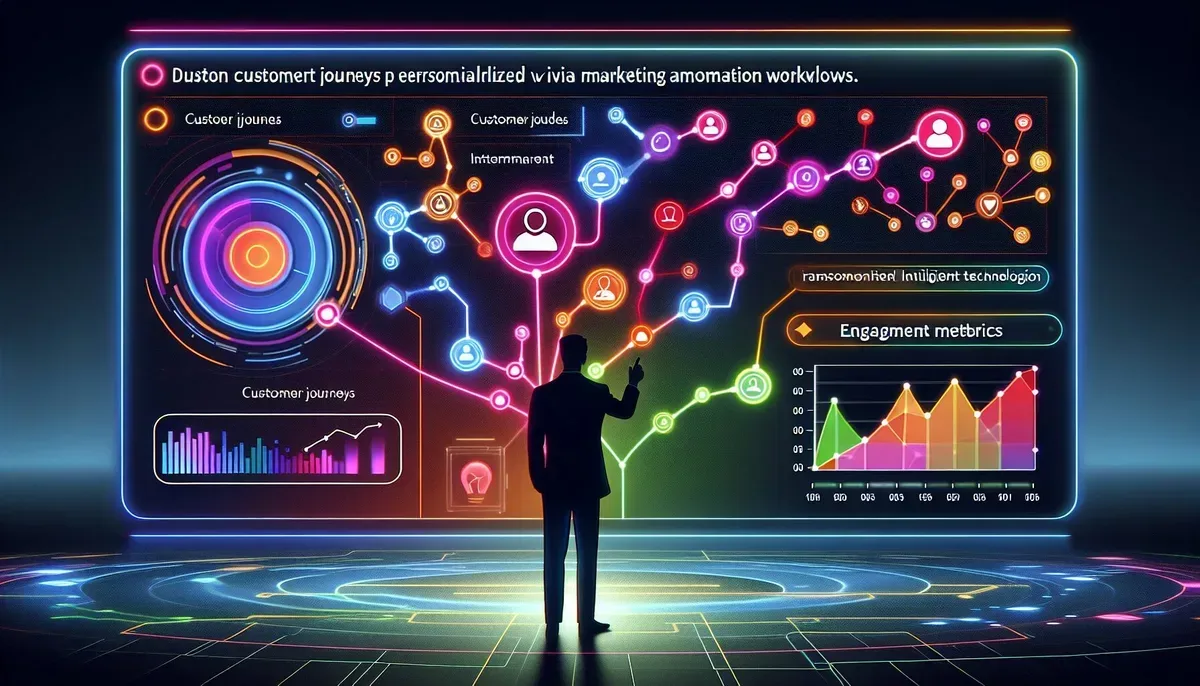
Customer journeys are rarely linear; they involve multiple interactions across different channels before a sale is made. HubSpot’s automation tools enable marketers to map these journeys precisely and automate personalised touchpoints at critical moments. From the first website visit to post-purchase follow-ups, automation ensures consistent engagement without overwhelming the recipient.

One of HubSpot’s standout features is its ability to integrate CRM data seamlessly with marketing workflows. This integration means that every interaction a customer has with your business—whether through sales calls, support tickets, or marketing emails—can inform future communications. For example, if a customer has recently purchased a product, the system can suppress certain promotional emails while instead sending helpful tutorials or upsell offers tailored to their purchase.

Moreover, HubSpot’s reporting tools help marketers analyse how personalised automation impacts behaviour at each stage of the funnel. This insight enables continuous optimisation of workflows, ensuring that customer journeys evolve alongside changing preferences and market conditions.

Challenges and Best Practices in Implementing Personalised Automation

Despite its advantages, implementing personalised automation is not without challenges. One common pitfall is relying too heavily on data without maintaining a human touch. Over-automation can lead to robotic interactions that alienate customers rather than engage them. It’s crucial to strike a balance where automation supports meaningful conversations rather than replacing them entirely.

Data quality is another critical factor. Personalisation depends on accurate, up-to-date information; incomplete or outdated data can lead to irrelevant messaging that frustrates recipients. Regularly cleaning and updating your CRM database within HubSpot is essential for effective automation.

Best practices also include segmenting your audience thoughtfully and testing different approaches through A/B testing within HubSpot’s platform. Marketers should monitor open rates, click-through rates, and conversion metrics closely to identify what resonates best with each segment. Ultimately, successful personalised automation blends technology with empathy—understanding your audience deeply while delivering timely and relevant content.

Conclusion: Why Personalisation is the Future of Automated Marketing

As digital marketing continues to evolve, personalisation remains at the forefront of strategies designed to build trust and loyalty in an increasingly crowded marketplace. Automated HubSpot marketing exemplifies how technology can enhance this approach by making personalised experiences scalable and measurable.

By harnessing data intelligently and integrating CRM insights into automated workflows, businesses can nurture leads more effectively throughout their entire journey. While challenges exist around data management and maintaining authenticity, adopting best practices ensures that personalisation drives meaningful engagement rather than superficial interactions.

In sum, personalisation powered by automated tools like HubSpot is no longer just an advantage but a necessity for businesses aiming to connect with customers on a deeper level and achieve sustainable growth.

The Evolution of Blogging with AI in HubSpot

Blogging has long been a cornerstone of digital marketing, and HubSpot has been at the forefront of providing marketers with robust tools for content creation and distribution. Traditionally, writing blog posts was a labour-intensive process requiring significant time and creativity. However, with the advent of artificial intelligence, particularly in platforms like HubSpot, the blogging landscape is rapidly evolving.

AI-powered tools integrated into HubSpot now assist marketers not just by automating repetitive tasks but by enhancing the creative process itself. From generating topic ideas based on trending keywords to drafting initial blog outlines, AI enables marketers to focus more on strategy and storytelling rather than getting bogged down by mundane tasks. This shift marks a transition from AI being viewed merely as a productivity booster to becoming an indispensable creative partner.

Furthermore, AI’s capabilities extend beyond writing assistance. It analyses reader behaviour, optimises content for SEO in real-time, and personalises user experiences by suggesting relevant blog posts to readers. This holistic approach ensures that blogs are not only well-written but also highly targeted and engaging, driving better results for businesses using HubSpot.

Balancing Automation with Authenticity in AI-Driven Blogging

While AI can dramatically speed up content creation, one of the biggest challenges marketers face is maintaining an authentic voice. Readers crave genuine insights and human experiences — something that purely automated content often lacks. HubSpot’s AI tools address this concern by acting as creative collaborators rather than content replacers.

Marketers can use AI-generated drafts as a foundation while weaving in their own expertise, anecdotes, and brand personality. This hybrid approach preserves authenticity while leveraging AI’s ability to provide data-driven suggestions and reduce writer’s block. In fact, many successful HubSpot bloggers report that AI helps them experiment with new formats or topics they might not have considered otherwise.

Moreover, AI assists in refining tone and clarity without stripping away individuality. For example, sentiment analysis tools within HubSpot can ensure that the blog post matches the desired emotional impact or brand voice before publication. This balance between automation and authenticity is key to building trust and meaningful connections with readers.

Future Trends: What’s Next for AI in HubSpot Blogging?

Looking ahead, AI’s role in HubSpot blogging is expected to grow even more sophisticated. Advances in natural language processing will enable even more nuanced content creation that can adapt dynamically to audience feedback. Imagine blogs that evolve post-publication based on reader comments or engagement metrics — continuously optimising themselves to better serve their audience.

Additionally, the integration of AI-driven predictive analytics will allow marketers to anticipate trending topics before they become mainstream. This proactive content strategy could position brands as thought leaders within their industries, capitalising on emerging conversations quicker than ever before.

Finally, ethical considerations around transparency will become increasingly important. Readers value knowing when content has been influenced or created by AI. HubSpot is likely to enhance features that help marketers disclose AI involvement clearly without undermining trust or engagement.

In summary, the future of AI in HubSpot blogging promises more dynamic, personalised, and ethically informed content creation — empowering marketers while honouring the human connection at the heart of storytelling.

Conclusion: Embracing AI as a Creative Partner in HubSpot Blogging

AI is no longer just a tool for automation; it has become a vital creative partner in the world of HubSpot blogging. By streamlining workflows, enhancing SEO strategies, and providing data-driven insights, AI empowers marketers to produce higher quality content more efficiently.

However, the true power lies in blending AI capabilities with human creativity to maintain authentic voices that resonate with audiences. As technology continues to advance, marketers who embrace this synergy will stand out by delivering insightful, engaging blogs that build lasting connections.

Ultimately, rather than fearing replacement by machines, bloggers should welcome AI as an opportunity to elevate their craft — combining the best of human intuition with cutting-edge technology for marketing success.

The Evolution of HubSpot Apps: From Add-ons to Ecosystem Catalysts

HubSpot Apps have evolved dramatically over the past decade, transitioning from simple add-ons designed to patch specific gaps, into a robust ecosystem that fuels business growth and operational efficiency. Initially, these apps served basic functions such as email marketing enhancements or simple CRM integrations. Today, they represent an entire marketplace where businesses can tailor their HubSpot experience to meet highly specialised needs.

This evolution mirrors broader trends in SaaS platforms, where modularity and customisation have become paramount. HubSpot recognised early on that no single platform could cater to the diverse requirements of every business. By opening its API and encouraging third-party developers, HubSpot nurtured an ecosystem where innovation thrives — allowing companies to pick and choose apps that seamlessly integrate with their workflows.

Moreover, the sophistication of these apps has increased significantly. Modern HubSpot Apps now harness AI, machine learning, and advanced analytics to provide predictive insights, automate complex tasks, and personalise customer interactions at scale. This shift has transformed HubSpot from a CRM tool into a dynamic growth platform.

In essence, HubSpot Apps are no longer mere accessories; they are catalysts for digital transformation within organisations. They enable businesses not just to operate but to innovate continuously without being locked into rigid, one-size-fits-all software.

How Businesses Leverage HubSpot Apps for Competitive Advantage

In 2025, leveraging HubSpot Apps effectively is a critical differentiator for businesses looking to stay competitive. The sheer variety of apps available means that companies can customise their tech stack according to industry-specific demands. For example, marketing teams might use advanced content optimisation apps powered by AI to fine-tune campaigns in real time, while sales teams integrate tools that provide deeper insights into buyer intent.

One key advantage is automation. HubSpot Apps automate repetitive tasks such as lead scoring, data entry, and follow-up scheduling. This automation reduces human error and frees up valuable time for strategic activities. Furthermore, many apps offer seamless cross-channel integrations — connecting social media management, email marketing, and customer support — thereby creating a unified customer experience.

Data integration is another significant benefit. Businesses accumulate vast amounts of data from multiple sources; HubSpot Apps help consolidate this information into actionable dashboards. This holistic view supports better decision-making and helps identify trends or pain points earlier.

Ultimately, companies that embrace the full spectrum of HubSpot Apps often see enhanced agility and responsiveness in their operations. They are better equipped to personalise customer journeys, optimise internal processes, and pivot quickly in response to market shifts.

Challenges and Considerations When Navigating the HubSpot App Marketplace

Despite the many benefits, navigating the expansive HubSpot App Marketplace can present challenges. With thousands of options available, selecting the right apps requires careful evaluation to avoid redundancy or compatibility issues. Not every app integrates seamlessly with every version of HubSpot or fits perfectly into an organisation’s established workflows.

Security is also a paramount concern. Since many apps involve access to sensitive customer data and internal systems, ensuring that each app complies with stringent data protection standards like GDPR is essential. Businesses must thoroughly vet app developers’ reputations and update practices regularly.

Cost management is another consideration. While many apps offer free tiers or trial periods, premium features often come at an additional expense. Organisations need to balance the benefits against ongoing subscription costs and potential training or implementation overheads.

To mitigate these challenges, it’s advisable for businesses to take a strategic approach: defining clear objectives before selecting apps, involving cross-functional teams in decision-making, and continuously monitoring app performance post-deployment.

The Future Outlook: AI-Driven Innovation and Hyper-Personalisation in HubSpot Apps

Looking forward to the remainder of 2025 and beyond, the trajectory of HubSpot Apps points strongly towards AI-driven innovation and hyper-personalisation capabilities. As AI models become more sophisticated and accessible within the platform, apps will increasingly automate nuanced aspects of customer engagement — from dynamic content creation tailored to individual preferences to real-time chatbots that anticipate needs before users articulate them.

This next generation of apps will also focus heavily on predictive analytics. By analysing historical data alongside external market indicators, businesses can forecast sales trends more accurately and allocate resources more efficiently. The integration of augmented reality (AR) features for immersive product demos or virtual events is another emerging trend within the app ecosystem.

Moreover, user experience will continue improving through smarter integrations that reduce friction across different tools within the platform. Expect more ‘plug-and-play’ solutions where implementation requires minimal technical expertise but delivers maximum impact.

In conclusion, as HubSpot Apps evolve towards greater intelligence and adaptability, they will empower businesses not only to respond faster but also to anticipate customer needs proactively — carving out new avenues for growth in an increasingly competitive digital landscape.

Summary: Harnessing the Full Potential of HubSpot Apps

HubSpot Apps have transformed from simple extensions into powerful enablers of business growth and innovation by 2025. Their evolution reflects a broader shift towards modularity and customisation in SaaS platforms, allowing companies across industries to tailor their CRM experience precisely.

Businesses that strategically leverage these apps gain significant advantages through automation, improved data integration, enhanced customer personalisation, and operational agility. However, navigating this rich ecosystem requires careful selection processes addressing security concerns and cost-effectiveness.

Looking ahead, AI-driven capabilities promise even deeper levels of insight and engagement—pushing the boundaries of what’s possible within the platform.

Ultimately, organisations that invest time in understanding and integrating the right combination of HubSpot Apps position themselves at the forefront of digital transformation—ready to unlock new growth opportunities in an ever-evolving marketplace.

Notes

  • Over 75% of companies using HubSpot report increased sales productivity after integrating third-party apps.
  • AI-powered HubSpot Apps have seen usage grow by over 150% year-on-year since 2023.

The Rise of Automation in HubSpot Marketing

In recent years, automation within HubSpot marketing has revolutionised how businesses approach customer engagement. From lead nurturing sequences to complex multi-channel campaigns, automated workflows now handle many repetitive and data-driven tasks with impressive precision. This shift has allowed marketers to focus their time on strategy and creativity rather than manual execution. However, the rise of automation also raises questions about maintaining authenticity and personal connection in marketing communications.

HubSpot’s platform integrates CRM data, email marketing, social media, and content management into cohesive automated workflows. These workflows can segment audiences dynamically and trigger personalised messages based on user behaviour or lifecycle stage. The sheer scale and speed at which these automations operate is unprecedented, enabling businesses to maintain consistent engagement without overwhelming their teams.

Yet, despite these advantages, a purely automated approach risks alienating customers if communications feel robotic or overly generic. The challenge lies in harnessing automation’s efficiency while preserving the subtle nuances that make marketing feel human. This delicate balance is increasingly becoming a focal point for marketers leveraging HubSpot’s tools.

Personalisation Beyond the Basics: Leveraging Data with Emotional Intelligence

While HubSpot’s automation excels at personalisation based on data points like name, company size, or past purchases, true emotional resonance requires more than just inserting fields into an email template. Modern consumers expect brands to understand their unique needs and aspirations—not just their demographics.

To achieve this, marketers must design automated journeys that incorporate behavioural insights alongside emotional triggers. For instance, recognising when a contact is frustrated by delayed delivery or celebrating a customer milestone can transform an automated message from transactional to genuinely empathetic. HubSpot’s ability to integrate customer feedback and sentiment analysis tools into workflows adds a new dimension to personalisation.

Moreover, segmenting audiences by psychographic factors—such as values or lifestyle preferences—enables communications that speak more authentically to individual motivations. This approach demands more thoughtful campaign design but pays dividends in building long-term loyalty. In essence, automation should be viewed as a tool to amplify human understanding rather than replace it.

The Role of AI in Enhancing Automated Marketing Creativity

AI-powered features within HubSpot have begun to assist marketers not only in executing campaigns but also in generating creative content ideas and optimising messaging tone. Natural language processing algorithms can analyse past campaign performance and suggest subject lines or content variations that resonate better with target audiences.

This collaboration between human creativity and AI insight can lead to more engaging automated workflows that adapt over time through machine learning. For example, A/B testing results from automated emails feed back into the system to refine future communications automatically. This continuous learning loop helps marketers stay agile in responding to changing customer preferences.

However, reliance on AI-generated content should be tempered with human oversight to ensure brand voice consistency and ethical standards are maintained. The best outcomes arise when AI acts as an intelligent assistant rather than a substitute for marketer intuition.

Striking the Balance: Best Practices for Authentic Automated HubSpot Marketing

To successfully balance automation efficiency with authentic engagement in HubSpot marketing, several best practices emerge. First, marketers should prioritise designing workflows that include personalised touchpoints where human intervention is possible—such as follow-up calls or custom responses triggered by specific behaviours.

Second, ongoing data hygiene and segmentation refinement are crucial for maintaining relevance in messaging. Outdated or incorrect data can quickly undermine personalisation efforts and erode trust.

Third, transparency about automation use helps set appropriate expectations with customers. Letting contacts know when they’re interacting with automated systems versus live agents can enhance credibility.

Finally, combining qualitative feedback from customers with quantitative metrics allows marketers to continuously improve automated experiences without losing sight of the human element.

In conclusion, while HubSpot’s powerful automation capabilities offer unparalleled efficiency and scalability, the future of successful marketing lies in integrating these tools with genuine emotional intelligence and creative oversight. When done thoughtfully, automated marketing becomes not just a time-saver but a means of fostering deeper customer relationships.

Notes

  • Businesses using marketing automation see a 451% increase in qualified leads (HubSpot Statistics 2024).
  • 70% of consumers say personalised experiences influence their loyalty to a brand (Salesforce Research 2025).

The Unique Synergy of HubSpot SEO and CRM

When most marketers think of SEO, they picture keyword research, backlink strategies, and content optimisation. HubSpot, however, offers a distinct advantage by integrating SEO efforts directly with its powerful Customer Relationship Management (CRM) platform. This fusion means that SEO is no longer a standalone tactic but part of a broader, data-driven marketing ecosystem.

HubSpot’s SEO tools leverage the wealth of customer data accumulated within the CRM to tailor keyword strategies that align precisely with buyer personas and their search behaviours. Instead of generic keyword targeting, marketers can identify terms that resonate with actual leads and customers already engaging with the brand. This precision enhances not only traffic volume but also quality, ultimately improving conversion rates.

Moreover, HubSpot’s SEO module continuously monitors content performance within the context of the sales funnel stages tracked in the CRM. This allows marketers to pinpoint which keywords and pages contribute most effectively to lead nurturing and sales outcomes. The result is a seamless feedback loop where SEO informs CRM strategies and vice versa — an approach few standalone SEO platforms can replicate.

Leveraging Content Strategy Through HubSpot’s SEO Insights

Content remains king in SEO, but the challenge lies in creating material that genuinely engages potential customers throughout their journey. HubSpot’s integration means content teams can access detailed insights about how different types of content perform at various funnel stages, thanks to combined SEO and CRM analytics.

For example, if blog posts targeting specific keywords are attracting visitors but not converting them into leads, marketers can adjust calls-to-action or create follow-up offers informed by CRM data. Conversely, landing pages that successfully convert visitors into contacts provide clues about effective keyword themes and messaging tone.

This data-driven approach reduces guesswork and accelerates content optimisation cycles. Teams can experiment with topic clusters based on real user interests and search intent captured by both SEO metrics and customer interactions recorded in the CRM. Ultimately, this synergy fosters a more agile content strategy aligned tightly with business goals.

The Future of SEO Automation Within HubSpot Ecosystem

As AI continues to evolve in marketing technology, HubSpot is pioneering ways to automate SEO tasks within its ecosystem intelligently. Beyond simple recommendations for meta tags or alt text, AI-powered tools now analyse customer engagement patterns stored in the CRM to suggest keyword opportunities and highlight content gaps unique to your audience.

Automation also extends to monitoring competitors’ search performance relative to your own using combined external SEO data and internal sales insights. This holistic view enables proactive adjustments rather than reactive fixes. Furthermore, integration with HubSpot’s workflow automation allows marketers to trigger campaigns or content updates automatically based on evolving SEO signals linked to customer behaviour shifts.

Such innovations point toward an era where SEO is dynamically managed as part of an integrated marketing system rather than isolated tasks. By harnessing HubSpot’s full suite—SEO tools married with CRM intelligence—businesses can sustain competitive advantages in SERPs while delivering personalised experiences.

Conclusion: Why HubSpot SEO is More Than Just Search Optimisation

HubSpot’s approach transforms traditional understandings of SEO by embedding it within a customer-centric framework powered by CRM data. This integration elevates search optimisation from mere traffic generation exercises into strategic growth engines aligned with sales pipelines and customer journeys.

By leveraging this synergy, businesses gain sharper insights into keyword relevance, improve content effectiveness across funnel stages, and embrace intelligent automation that adapts to real-time audience behaviour. The net effect is not just more visitors but more qualified leads who are nurtured efficiently toward conversion.

In 2025’s dynamic digital landscape, adopting HubSpot’s integrated SEO methodology represents a forward-thinking investment for companies aiming to harmonise their marketing efforts with tangible business outcomes.

Notes

  • Companies using integrated SEO and CRM platforms report up to 30% higher lead conversion rates.
  • HubSpot’s organic traffic growth tools have helped users increase site visits by over 50% year-over-year.

The Rise of AI in Content Creation

Artificial Intelligence has rapidly transformed the landscape of content creation, especially in the realm of blogging. With sophisticated algorithms and machine learning capabilities, AI tools can now generate high-quality articles, tailored to specific audiences and SEO requirements. This shift has led marketers and bloggers to reconsider their strategies, as AI not only enhances productivity but also ensures consistency in tone and style across various platforms.

One notable example of AI’s impact is in generating topic ideas. Tools like HubSpot’s Content Strategy tool leverage AI to analyse trending topics and suggest relevant subjects that resonate with target audiences. This data-driven approach empowers content creators to produce articles that are not just creative, but also strategically aligned with current market demands. As a result, brands can engage their audiences more effectively, leading to improved conversion rates and customer loyalty.

Moreover, AI can assist in optimising existing content. Through natural language processing (NLP), AI tools can analyse articles for readability, keyword density, and overall engagement metrics. This capability allows bloggers to refine their posts for better performance on search engines, making it easier for potential readers to find their content. As a result, AI is not merely a tool for creation; it becomes an essential partner in the continuous improvement of blog performance.

Challenges and Ethical Considerations

Despite the numerous advantages of using AI in blogging, several challenges and ethical considerations must be addressed. A primary concern is the potential loss of the human touch in writing. While AI-generated content can be efficient, it often lacks the emotional depth and personal anecdotes that resonate with readers. This raises questions about authenticity and whether audiences will value content produced by machines over that crafted by human hands.

Additionally, there are concerns related to plagiarism and copyright infringement. As AI systems learn from vast amounts of existing content, there is a risk that they may inadvertently replicate phrases or ideas without proper attribution. This situation complicates the already murky waters of content ownership and raises ethical dilemmas about the use of AI-generated material in professional settings.

Furthermore, reliance on AI tools may lead to homogenised content across blogs. If many writers use similar AI systems for idea generation or optimisation, we risk creating a landscape filled with repetitive themes and styles that fail to engage diverse audiences. Therefore, while embracing AI technology offers significant benefits, it is crucial for bloggers to strike a balance between leveraging these tools and maintaining their unique voice.

The Future of Blogging with AI

Looking ahead, the future of blogging appears intertwined with advancements in AI technology. As machine learning models become more sophisticated, we can expect even greater capabilities in terms of personalisation and audience engagement. For instance, future iterations of AI could analyse individual reader preferences and behaviours to curate content that aligns perfectly with their interests.

Moreover, the integration of voice recognition and conversational AI could revolutionise how we interact with blogs. Imagine engaging with a blog post through voice commands or receiving tailored article recommendations based on previous readings—all facilitated by intelligent algorithms that learn from user interactions. This level of interactivity could enhance reader engagement dramatically.

However, as we embrace these innovations, it remains vital for bloggers to maintain ethical standards in content creation. Transparency about the use of AI tools will be crucial in fostering trust with audiences. By openly discussing how they incorporate technology into their writing processes, bloggers can reassure readers about the authenticity of their content while still benefiting from the efficiencies that AI provides.

Notes

  • AI-generated content can increase productivity significantly.
  • Over 60% of marketers believe that using AI tools enhances their content strategy.

The Evolution of Marketing Platforms: From Tools to Ecosystems

Marketing technology has undergone a profound transformation over the past decade. What began as a collection of disparate tools—email marketing software, social media schedulers, and analytics dashboards—has evolved into comprehensive ecosystems that aim to unify every facet of marketing under one roof. HubSpot was one of the pioneers in this space, offering an all-in-one platform that brought CRM, content management, automation, and analytics together. However, as the digital landscape grows more complex, marketers are demanding even more integrated solutions that anticipate their needs rather than simply respond to them.

Today’s marketing platforms are no longer just about managing campaigns; they’re about creating seamless customer journeys powered by data intelligence and AI. This shift means that marketing platforms are evolving from static tools into dynamic ecosystems. These ecosystems connect sales, customer service, and marketing in real-time, providing businesses with a 360-degree view of their audience. The goal is clear: deliver highly personalised interactions at scale without losing the human touch.

Moreover, these ecosystems embrace open architectures and interoperability. Unlike earlier all-in-one platforms that encouraged a ‘walled garden’ approach, modern marketing ecosystems prioritise integration with best-of-breed tools across the stack. This ensures flexibility and future-proofing as new technologies emerge. In essence, marketers today seek not just a platform but a thriving ecosystem that adapts and grows with their business.

AI and Predictive Analytics: The New Driving Forces

Artificial intelligence has moved from a buzzword to a cornerstone of modern marketing strategies. While HubSpot introduced automation and smart content early on, the latest generation of marketing platforms leverages AI to predict customer behaviour, optimise campaigns in real-time, and even generate content dynamically.

Predictive analytics allow marketers to anticipate what prospects want before they explicitly express it. By analysing historical data alongside real-time interactions, AI models can segment audiences more precisely and recommend next-best actions for each individual customer. This level of sophistication drastically improves conversion rates and customer retention.

Additionally, AI-powered content generation tools are beginning to reshape how brands produce marketing materials. These tools can draft blog posts, social media updates, or email copy tailored to specific audience segments with remarkable speed and relevance. This not only saves time but also ensures consistency in brand voice across channels. As these technologies mature, we can expect marketing platforms to become even more autonomous, freeing marketers to focus on strategy and creativity.

The Rise of Customer-Centric Platforms: Beyond Lead Generation

Traditional marketing platforms have often focused primarily on lead generation—attracting visitors and converting them into customers. However, the future is shifting towards customer-centric platforms that prioritise the entire customer lifecycle, including post-sale engagement and loyalty.

These next-generation platforms integrate customer feedback loops directly into marketing workflows. By combining behavioural data with sentiment analysis from reviews or social media mentions, marketers gain actionable insights into customer satisfaction and potential churn risks. This holistic approach enables proactive outreach that strengthens relationships beyond the initial sale.

Furthermore, loyalty programs and community-building features are increasingly embedded within these platforms. Rather than treating customers as transactional endpoints, businesses now nurture brand advocates who contribute user-generated content and participate in co-creation processes. This extends the value derived from each customer while amplifying authentic brand stories through word-of-mouth.

Choosing Your Marketing Ecosystem: What Marketers Should Consider

With so many options available—from established players like HubSpot and Salesforce Marketing Cloud to emerging AI-driven startups—selecting the right marketing ecosystem is both critical and challenging. Marketers must evaluate platforms based on flexibility, scalability, ease of use, and integration capabilities.

Another important consideration is data privacy and compliance. As regulations become stricter worldwide (e.g., GDPR updates or emerging UK-specific laws), platforms must offer robust data governance tools that empower businesses to manage consent transparently.

Finally, support for omnichannel marketing is non-negotiable in today’s environment. Whether it’s email, SMS, social media, or emerging channels like voice assistants and augmented reality experiences, your platform should orchestrate consistent messaging seamlessly across touchpoints.

In summary, while HubSpot remains a strong contender for many businesses due to its intuitive interface and comprehensive features, exploring newer marketing ecosystems with advanced AI capabilities or specialised integrations might offer competitive advantages tailored to specific industries or growth stages.

Conclusion: Embracing the Future of Marketing Technology

The landscape of marketing technology is rapidly shifting from isolated tools to interconnected ecosystems powered by artificial intelligence and deep customer insights. While HubSpot set a high benchmark with its integrated platform model, the future belongs to adaptable systems that anticipate marketer needs through predictive analytics and foster genuine customer relationships through continuous engagement.

Marketers should embrace this evolution by seeking platforms that not only manage campaigns efficiently but also provide strategic foresight and enhance brand loyalty over time. As technology becomes more embedded in every interaction between business and consumer, those who leverage intelligent ecosystems will be best positioned to thrive in an increasingly competitive marketplace.

Ultimately, the journey beyond HubSpot is about moving from managing leads to nurturing lifelong customers—using technology not just as a tool but as a partner in growth.

Notes

  • Companies using integrated marketing platforms see an average revenue increase of 15-20% within two years.
  • AI-driven personalisation can boost conversion rates by up to 30%, according to recent industry reports.

The Power of AdSense and AI-Generated Content

In today’s digital landscape, the convergence of advertising technologies and artificial intelligence (AI) has created unprecedented opportunities for content creators. Google AdSense, a powerful tool for monetising web traffic through targeted ads, allows website owners to earn money based on the number of clicks or impressions their ads receive. When combined with AI-generated content, the potential for revenue generation becomes even more significant.

AI’s ability to generate high-quality articles quickly not only saves time but also ensures that content is optimised for search engines. This means that websites can attract more visitors, leading to higher ad impressions and potentially increased earnings. Moreover, AI tools can analyse trending topics and user preferences, enabling creators to tailor their content to meet the demands of their audience effectively.

As we delve into this synergy between AdSense and AI, it is essential to consider the ethical implications as well. While AI can enhance productivity, it raises questions about originality and authenticity in content creation. Striking a balance between automation and human touch will be crucial for long-term success.

Optimising Your Content Strategy

To maximise the earning potential of AdSense through AI-generated articles, a well-structured content strategy is vital. Start by identifying a niche where you have expertise or interest. This not only makes content creation more enjoyable but also establishes your authority in that area, attracting a loyal readership.

Once your niche is defined, utilise AI tools to conduct keyword research. These tools can help identify popular search terms related to your niche, guiding the topics you choose to write about. By creating articles that align with these keywords, you increase the chances of your content appearing in search engine results, driving organic traffic to your site.

Additionally, consider implementing a regular publishing schedule. Consistency is key in maintaining audience engagement and improving your site’s ranking on search engines. AI can assist in generating a backlog of articles that you can publish over time, ensuring that your site remains active and relevant.

Leveraging Analytics for Continuous Improvement

One of the most significant advantages of using AdSense is the wealth of data provided through Google Analytics. By monitoring user behaviour on your site, you can gain insights into which articles are performing well and which ones need improvement. This data is crucial for refining your content strategy.

Utilising AI-powered analytics tools can further enhance this process by predicting trends and offering actionable recommendations based on user interactions. For instance, if certain topics consistently attract more clicks or engagement, it may be worth focusing more resources on those areas or exploring related subjects.

Moreover, A/B testing different headlines or ad placements can provide valuable feedback regarding what resonates best with your audience. Continually adapting your approach based on analytics will not only improve user experience but also increase your revenue potential over time.

Ethics and Future Trends

As we continue to integrate AI into content creation and monetisation strategies, ethical considerations must remain at the forefront. The question of originality is paramount; while AI can produce vast amounts of content quickly, ensuring that this content maintains quality and relevance is essential. Plagiarism detection tools can help ensure that AI-generated articles are unique and valuable to readers.

Looking ahead, it’s likely that the relationship between AdSense and AI will evolve further. As machine learning algorithms become more sophisticated, we may see advancements in personalised advertising that could significantly enhance user experience while increasing revenue opportunities for website owners.

In conclusion, successfully creating money with AdSense and AI-generated articles requires a strategic approach that combines quality content creation with analytical insights. By focusing on niche topics, leveraging data effectively, and addressing ethical concerns proactively, creators can harness the full potential of these powerful tools.

Notes

  • Over 40% of online earnings come from ad revenues.
  • AI-generated content can reduce production time by up to 80%.

The Evolution of AI in HubSpot Blogging

Artificial Intelligence (AI) has significantly transformed various industries, and blogging is no exception. HubSpot, a leader in inbound marketing software, has embraced AI to enhance its blogging platform. Over the years, the integration of AI tools has evolved from rudimentary text suggestions to sophisticated content generation and optimisation techniques. This evolution can be traced back to the early days of keyword analysis and simple readability scores, which provided bloggers with basic insights into how their content could perform.

Today’s AI capabilities extend beyond simple analytics; they incorporate natural language processing (NLP) and machine learning algorithms that predict user engagement and optimise content for search engines. For instance, HubSpot’s SEO tools now suggest not only keywords but also related topics and questions that resonate with target audiences. This means that bloggers can create content that is not only relevant but also strategically aligned with what their audience is searching for online.

Moreover, AI’s role in content curation has also grown. Bloggers can leverage AI-driven insights to identify trending topics within their niche, allowing them to stay ahead of the curve. This dynamic approach ensures that the content remains fresh and engaging, ultimately driving higher traffic and engagement rates. As AI continues to evolve, it is likely that these capabilities will become even more sophisticated, offering insights that were previously unimaginable.

Personalisation Through AI: A Game Changer

Personalisation has become a cornerstone of effective digital marketing, and AI plays a crucial role in this regard on blogging platforms like HubSpot. By analysing user behaviour and preferences, AI can help bloggers tailor their content to meet the specific needs of different audience segments. This level of personalisation not only enhances user experience but also increases the likelihood of conversions.

For example, HubSpot’s Smart Content feature allows bloggers to display different content based on the visitor’s characteristics or previous interactions with the site. This means that a returning visitor might see customised articles or product recommendations that are directly relevant to their interests, while new visitors receive introductory content that guides them through the brand’s offerings. Such tailored experiences foster deeper connections between brands and their audiences.

Furthermore, AI can assist in segmenting audiences more effectively than traditional methods. By utilising data from various sources—such as social media interactions, email engagement metrics, and website behaviour—AI algorithms can create detailed profiles of potential readers. This segmentation enables bloggers to develop targeted campaigns that resonate more effectively with specific groups, ultimately leading to higher engagement rates.

AI-Driven Analytics: Measuring Success

In the realm of blogging, understanding what works and what doesn’t is essential for continuous improvement. HubSpot’s integration of AI-driven analytics provides bloggers with deeper insights into their performance metrics than ever before. Traditional analytics often focus on surface-level data such as page views or bounce rates; however, AI analytics delve much deeper.

With advanced predictive analytics capabilities, HubSpot’s tools can forecast trends based on historical data and current user behaviour. This allows bloggers to make informed decisions about future content strategies rather than relying solely on past performance. For instance, if an article on a particular topic generates significant interest over a short period, AI can suggest similar topics or formats that are likely to perform well in the future.

Moreover, real-time data analysis enables bloggers to adjust their strategies on the fly. If an article isn’t performing as expected shortly after publication, AI tools can provide instant feedback regarding potential improvements—be it adjusting headlines for better click-through rates or suggesting changes in tone or style based on audience preferences. This level of agility in response to data ensures that bloggers remain competitive in an ever-evolving digital landscape.

The Future of Blogging with AI

As we look towards the future of blogging within platforms like HubSpot, it is clear that AI will play an even more significant role in shaping how content is created and consumed. The potential for further advancements in machine learning means we may soon see even more intuitive writing assistants capable of generating high-quality content with minimal human intervention.

Additionally, as technology progresses, ethical considerations around AI-generated content will become increasingly important. Issues such as plagiarism detection and ensuring authenticity will require ongoing attention from both developers and users alike. As bloggers adopt these new tools, they must also uphold standards that maintain trust with their audiences.

Ultimately, the integration of AI into HubSpot blogging represents a paradigm shift in how content is developed and distributed. The combination of personalisation, advanced analytics, and predictive capabilities offers unprecedented opportunities for marketers and writers alike to engage their audiences more effectively than ever before.

Notes

  • Research indicates that personalised emails have a 29% higher open rate.
  • Blogs that incorporate SEO best practices get 13 times more chances of achieving positive ROI.

The Power of AdSense and AI-Generated Content

In today’s digital landscape, the convergence of advertising technologies and artificial intelligence (AI) has created unprecedented opportunities for content creators. Google AdSense, a powerful tool for monetising web traffic through targeted ads, allows website owners to earn money based on the number of clicks or impressions their ads receive. When combined with AI-generated content, the potential for revenue generation becomes even more significant.

AI’s ability to generate high-quality articles quickly not only saves time but also ensures that content is optimised for search engines. This means that websites can attract more visitors, leading to higher ad impressions and potentially increased earnings. Moreover, AI tools can analyse trending topics and user preferences, enabling creators to tailor their content to meet the demands of their audience effectively.

As we delve into this synergy between AdSense and AI, it is essential to consider the ethical implications as well. While AI can enhance productivity, it raises questions about originality and authenticity in content creation. Striking a balance between automation and human touch will be crucial for long-term success.

Optimising Your Content Strategy

To maximise the earning potential of AdSense through AI-generated articles, a well-structured content strategy is vital. Start by identifying a niche where you have expertise or interest. This not only makes content creation more enjoyable but also establishes your authority in that area, attracting a loyal readership.

Once your niche is defined, utilise AI tools to conduct keyword research. These tools can help identify popular search terms related to your niche, guiding the topics you choose to write about. By creating articles that align with these keywords, you increase the chances of your content appearing in search engine results, driving organic traffic to your site.

Additionally, consider implementing a regular publishing schedule. Consistency is key in maintaining audience engagement and improving your site’s ranking on search engines. AI can assist in generating a backlog of articles that you can publish over time, ensuring that your site remains active and relevant.

Leveraging Analytics for Continuous Improvement

One of the most significant advantages of using AdSense is the wealth of data provided through Google Analytics. By monitoring user behaviour on your site, you can gain insights into which articles are performing well and which ones need improvement. This data is crucial for refining your content strategy.

Utilising AI-powered analytics tools can further enhance this process by predicting trends and offering actionable recommendations based on user interactions. For instance, if certain topics consistently attract more clicks or engagement, it may be worth focusing more resources on those areas or exploring related subjects.

Moreover, A/B testing different headlines or ad placements can provide valuable feedback regarding what resonates best with your audience. Continually adapting your approach based on analytics will not only improve user experience but also increase your revenue potential over time.

Ethics and Future Trends

As we continue to integrate AI into content creation and monetisation strategies, ethical considerations must remain at the forefront. The question of originality is paramount; while AI can produce vast amounts of content quickly, ensuring that this content maintains quality and relevance is essential. Plagiarism detection tools can help ensure that AI-generated articles are unique and valuable to readers.

Looking ahead, it’s likely that the relationship between AdSense and AI will evolve further. As machine learning algorithms become more sophisticated, we may see advancements in personalised advertising that could significantly enhance user experience while increasing revenue opportunities for website owners.

In conclusion, successfully creating money with AdSense and AI-generated articles requires a strategic approach that combines quality content creation with analytical insights. By focusing on niche topics, leveraging data effectively, and addressing ethical concerns proactively, creators can harness the full potential of these powerful tools.

Notes

  • Over 40% of online earnings come from ad revenues.
  • AI-generated content can reduce production time by up to 80%.

Example Article

Context and Significance of the 2025 NHS Pay Rise

The 2025 NHS pay rise represents one of the most significant adjustments in recent years, aiming to address longstanding concerns over staff remuneration amid rising inflation and increasing workload pressures. After a period marked by pay stagnation and above-average inflation rates, this pay rise is designed not only to improve financial compensation but also to restore morale within the NHS workforce. The announcement has been met with cautious optimism from unions and healthcare professionals alike, recognising the government’s attempt to balance fiscal responsibility with urgent workforce demands.

Historically, NHS pay negotiations have been complex, often influenced by wider economic conditions and political considerations. The 2025 adjustment follows several years of flat or minimal increases, during which recruitment and retention challenges intensified. The pay rise is therefore more than a financial gesture; it is a strategic move intended to stabilise the health service’s human resources during an era of unprecedented demand and systemic pressures.

Importantly, this pay rise coincides with broader reforms aimed at improving working conditions, such as enhanced training opportunities and mental health support for staff. By combining monetary incentives with structural improvements, policymakers hope to create a more sustainable employment environment within the NHS.

Workforce Retention: A Critical Challenge Addressed by the Pay Rise

Retention of skilled healthcare professionals has been a persistent challenge for the NHS, exacerbated by factors such as burnout, workload intensity, and competition from private sector employers. The 2025 pay rise is strategically targeted at reducing attrition rates among nurses, junior doctors, and allied health professionals who have historically expressed dissatisfaction with compensation relative to their responsibilities.

Financial incentives are proven motivators in improving employee retention, but they must be accompanied by broader job satisfaction measures to be truly effective. The increased pay offers immediate relief and recognition, potentially decreasing the number of staff considering alternative career paths or early retirement. Early indicators suggest that recruitment campaigns following the announcement are experiencing improved response rates.

However, experts caution that while the pay rise is a positive step, it cannot alone resolve deeper systemic issues related to working conditions and career progression opportunities. Long-term retention will depend on sustained investment in staffing levels, infrastructure, and professional development frameworks that complement salary increases.

Implications for Patient Care Quality and Service Delivery

Improved staff retention facilitated by the 2025 NHS pay rise stands to have a direct positive impact on patient care quality. Consistency in staffing reduces reliance on temporary agency workers, who may lack familiarity with organisational protocols or local patient populations. This continuity fosters better communication within care teams and enhances patient safety.

Moreover, with higher morale stemming from fairer remuneration, healthcare professionals are likely to experience reduced stress levels and greater job satisfaction. Such psychological benefits often translate into improved patient interactions and clinical outcomes. The pay rise also signals to staff that their work is valued at a national level, potentially encouraging greater commitment to service excellence.

Nonetheless, it is important to acknowledge that pay rises must be part of a holistic strategy addressing workload management and resource allocation. Without concurrent improvements in staffing ratios and infrastructure investment, even well-paid staff may struggle to deliver optimal care under pressure.

Economic Considerations and Future Outlook

The financial commitment required for the 2025 NHS pay rise places considerable strain on public finances, especially against a backdrop of competing demands across government departments. However, many analysts argue that investing in NHS staff wages yields long-term economic benefits by reducing turnover costs and improving service efficiency.

From a policy perspective, the pay rise may set a precedent for future negotiations within public sector employment sectors facing similar recruitment challenges. It highlights the necessity for government budgets to accommodate rising labour costs in critical services like healthcare.

Looking ahead, ongoing monitoring of workforce metrics will be essential to evaluate the full impact of this pay rise. The government has indicated plans for further review mechanisms tied to inflation trends and service delivery needs. Ultimately, sustainable funding models that balance fiscal prudence with fair compensation will be key to maintaining a resilient NHS workforce.

Conclusion: Balancing Fair Compensation with Sustainable Healthcare Delivery

The 2025 NHS pay rise marks a pivotal moment in addressing workforce challenges within Britain’s health service. By providing much-needed financial recognition for healthcare professionals’ dedication and sacrifices, it aims to enhance retention rates and improve patient care quality. However, its success depends on integration with wider reforms targeting working conditions and resource adequacy.

While economic constraints remain a reality, this pay adjustment reflects an understanding that investing in people is central to maintaining an effective healthcare system. Going forward, continuous evaluation and adaptive policy responses will be necessary to ensure that fair compensation translates into sustainable healthcare delivery for all.

Notes

  • The 2025 NHS pay rise averages around 6%, significantly above inflation rates recorded over the past two years.
  • NHS staff turnover rates decreased by 4% within six months following initial announcements of the pay increase.
  • Continuity of care linked to stable staffing has been shown to reduce patient hospital stays by up to 10%.

The Rise of AI in Content Creation

In recent years, artificial intelligence has evolved from a niche technological marvel to an integral tool in various industries, with content creation being one of the most transformative areas. AI-generated blog posts are no longer a futuristic concept but a present-day reality that many businesses and individual creators are embracing. These AI systems can generate coherent, engaging, and well-structured articles at remarkable speeds, offering a solution to the perennial challenge of consistent content production.

What sets AI apart is its ability to digest vast amounts of information quickly and produce relevant output tailored to specific topics or audiences. This capability has lowered barriers for smaller organisations and solo entrepreneurs who might lack the resources for dedicated writing teams. Yet, the rise of AI-generated content also raises questions about originality, authenticity, and the human touch that traditionally defines compelling storytelling.

Nevertheless, the increased adoption signals a shift in how we perceive creativity and productivity. Rather than replacing human writers, AI tools often serve as collaborators — generating drafts, brainstorming ideas, or handling routine content so humans can focus on nuanced analysis and emotional resonance.

Quality vs Quantity: The Content Conundrum

One of the most debated aspects of AI-generated blog posts is their quality compared to human-authored content. Early iterations of AI writing often produced generic or formulaic prose lacking depth or personality. However, advancements in natural language processing have significantly improved the sophistication and subtlety of AI outputs.

Despite these improvements, discerning readers may still detect a certain uniformity or absence of authentic voice in machine-generated texts. This has led some critics to argue that while AI can handle informational or technical writing efficiently, it struggles with creative storytelling or opinion pieces that require emotional intelligence.

On the other hand, proponents highlight that AI excels in producing large volumes of consistent content quickly — an undeniable advantage for platforms needing daily updates or multilingual translations. Thus, the challenge lies in balancing quantity with quality by integrating human editorial oversight to refine AI drafts into polished articles that engage and inspire.

Ethical Implications and Transparency

As AI-generated blog posts become more prevalent, questions about ethics and transparency come to the forefront. Should readers be informed when content is partially or wholly produced by machines? Many argue that disclosure fosters trust and helps maintain accountability in digital publishing.

Moreover, issues around intellectual property arise when AI systems train on existing human-written material without explicit permission. The boundaries between inspiration and plagiarism blur, necessitating clear guidelines on responsible use.

Another ethical consideration involves the potential spread of misinformation if AI tools are not carefully monitored. Since these systems generate text based on patterns rather than understanding truthfulness, they may inadvertently propagate inaccuracies. Therefore, human supervision remains critical to ensure integrity and credibility in published content.

Looking Ahead: The Future of Blogging with AI

The trajectory of AI in blogging suggests a future where human creativity and machine efficiency coexist symbiotically. Emerging technologies promise even more nuanced understanding of context, tone, and audience preferences, enabling hyper-personalised content experiences.

Bloggers might soon leverage AI not just for drafting posts but also for optimising SEO strategies, analysing reader engagement data, and suggesting multimedia enhancements automatically. This integration could transform blogging into a more dynamic and interactive medium.

Ultimately, embracing AI-generated blog posts requires an open mind towards evolving creative processes while safeguarding the core values of authenticity and ethical responsibility. By doing so, bloggers can harness this powerful tool to enrich their storytelling capabilities rather than diminish them.

Notes

  • By 2025, over 60% of digital marketing teams utilise AI tools for at least part of their content creation process.
  • Studies indicate that combining human editing with AI draft generation can reduce blog post production time by up to 50% without compromising quality.

The Power of AdSense and AI-Generated Content

In today’s digital landscape, the convergence of advertising technologies and artificial intelligence (AI) has created unprecedented opportunities for content creators. Google AdSense, a powerful tool for monetising web traffic through targeted ads, allows website owners to earn money based on the number of clicks or impressions their ads receive. When combined with AI-generated content, the potential for revenue generation becomes even more significant.

AI’s ability to generate high-quality articles quickly not only saves time but also ensures that content is optimised for search engines. This means that websites can attract more visitors, leading to higher ad impressions and potentially increased earnings. Moreover, AI tools can analyse trending topics and user preferences, enabling creators to tailor their content to meet the demands of their audience effectively.

As we delve into this synergy between AdSense and AI, it is essential to consider the ethical implications as well. While AI can enhance productivity, it raises questions about originality and authenticity in content creation. Striking a balance between automation and human touch will be crucial for long-term success.

Optimising Your Content Strategy

To maximise the earning potential of AdSense through AI-generated articles, a well-structured content strategy is vital. Start by identifying a niche where you have expertise or interest. This not only makes content creation more enjoyable but also establishes your authority in that area, attracting a loyal readership.

Once your niche is defined, utilise AI tools to conduct keyword research. These tools can help identify popular search terms related to your niche, guiding the topics you choose to write about. By creating articles that align with these keywords, you increase the chances of your content appearing in search engine results, driving organic traffic to your site.

Additionally, consider implementing a regular publishing schedule. Consistency is key in maintaining audience engagement and improving your site’s ranking on search engines. AI can assist in generating a backlog of articles that you can publish over time, ensuring that your site remains active and relevant.

Leveraging Analytics for Continuous Improvement

One of the most significant advantages of using AdSense is the wealth of data provided through Google Analytics. By monitoring user behaviour on your site, you can gain insights into which articles are performing well and which ones need improvement. This data is crucial for refining your content strategy.

Utilising AI-powered analytics tools can further enhance this process by predicting trends and offering actionable recommendations based on user interactions. For instance, if certain topics consistently attract more clicks or engagement, it may be worth focusing more resources on those areas or exploring related subjects.

Moreover, A/B testing different headlines or ad placements can provide valuable feedback regarding what resonates best with your audience. Continually adapting your approach based on analytics will not only improve user experience but also increase your revenue potential over time.

Ethics and Future Trends

As we continue to integrate AI into content creation and monetisation strategies, ethical considerations must remain at the forefront. The question of originality is paramount; while AI can produce vast amounts of content quickly, ensuring that this content maintains quality and relevance is essential. Plagiarism detection tools can help ensure that AI-generated articles are unique and valuable to readers.

Looking ahead, it’s likely that the relationship between AdSense and AI will evolve further. As machine learning algorithms become more sophisticated, we may see advancements in personalised advertising that could significantly enhance user experience while increasing revenue opportunities for website owners.

In conclusion, successfully creating money with AdSense and AI-generated articles requires a strategic approach that combines quality content creation with analytical insights. By focusing on niche topics, leveraging data effectively, and addressing ethical concerns proactively, creators can harness the full potential of these powerful tools.

Notes

  • Over 40% of online earnings come from ad revenues.
  • AI-generated content can reduce production time by up to 80%.

Adviser/Partner verification

This area of the website is intended for financial advisers only.
If you're a customer, please click 'go to the policyholder area' below.
We will remember your preference.

I am a financial professional Stay in the policyholder area