
Example Article
Historical Rivalry in Football
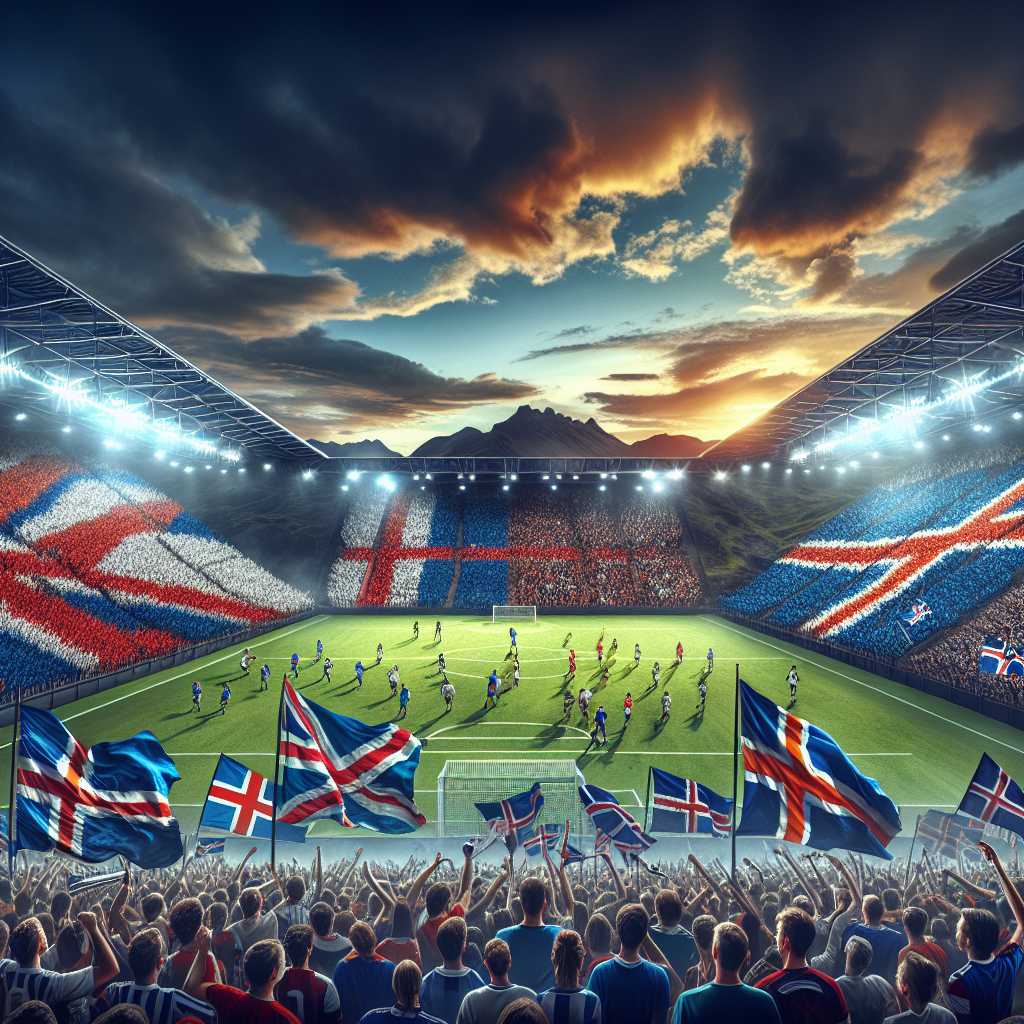
Scotland and Iceland, two nations steeped in rich cultural heritage, have fostered a unique rivalry in football that transcends mere sport. Their encounters on the pitch, though relatively infrequent compared to other European fixtures, are marked by intense competition and passionate support. The rivalry gained international attention during the UEFA Euro 2016 qualifiers when Iceland’s stunning victory over Scotland secured their first major tournament qualification.
This historic win was more than just a football result; it symbolised the rise of Icelandic football on the global stage and challenged traditional perceptions about smaller footballing nations. Scotland, with its long-standing football tradition dating back to the 19th century, felt the sting of this David versus Goliath narrative. The match sparked renewed discussions about investment in grassroots football and development pathways in both countries.
Since then, meetings between Scotland and Iceland have been viewed as more than fixtures; they represent a clash of contrasting football philosophies and national pride. Scottish teams often rely on physicality and traditional styles, while Iceland has become known for its tactical discipline and team cohesion. This dynamic makes each encounter unpredictable and exciting for fans across Europe.
Cultural Connections Beyond Football
Beyond the football pitch, Scotland and Iceland share intriguing cultural similarities that deepen their connection. Both countries boast rugged landscapes shaped by volcanic activity and glaciation, fostering a profound respect for nature among their people. This shared reverence is reflected in folklore, literature, and national identity.
The linguistic ties are also notable; Old Norse influences permeate Scottish Gaelic dialects, particularly in the northern isles such as Orkney and Shetland, which were historically linked to Viking settlements. Icelandic language itself is considered one of the closest living languages to Old Norse, preserving centuries-old linguistic traditions.
Moreover, both nations have embraced a strong sense of community resilience. Iceland’s rapid recovery after the 2008 financial crisis and Scotland’s ongoing cultural renaissance through arts and literature underscore a shared spirit of perseverance. These parallels contribute to mutual respect that enriches their sporting encounters with added layers of national pride.
Economic and Environmental Parallels
Economically, Scotland and Iceland have carved out niches that reflect their natural resources and geographic positions. Scotland’s economy benefits from sectors such as whisky production, oil extraction in the North Sea, and renewable energy development. Similarly, Iceland harnesses geothermal energy extensively, positioning itself as a leader in sustainable energy solutions.
Both countries face environmental challenges linked to climate change that threaten their unique ecosystems. Melting glaciers in Iceland and rising sea levels affecting Scotland’s low-lying coasts highlight the urgent need for environmental stewardship. Collaborative efforts between Scottish and Icelandic institutions on climate research showcase how these nations can work together beyond sports.
These economic and environmental parallels illustrate how Scotland and Iceland are not only competitors on the field but also partners confronting common challenges. Their shared focus on sustainability could pave the way for future cooperation that transcends football rivalries.
Looking Ahead: The Future of Scotland vs Iceland Encounters
As both nations continue to evolve politically, socially, and economically within Europe, their sporting rivalry remains a vibrant part of their interaction. Young talents emerging from Scottish academies and Iceland’s robust youth programmes promise thrilling matches ahead.
Technological advancements in training methods and sports science will likely influence how these teams prepare for future fixtures. Additionally, growing fan engagement through digital platforms means that supporters from both countries—and worldwide—can experience these encounters with unprecedented immediacy.
Ultimately, Scotland vs Iceland matches embody more than just competition; they are celebrations of national identity, resilience, and shared histories. As these countries face global uncertainties together, their football rivalry offers a reminder of sport’s power to unite while honouring distinct cultural narratives.
Notes
- Iceland became the smallest nation by population to qualify for a major international tournament at Euro 2016.
- Scotland’s national team has played international football since 1872, making it one of the oldest teams globally.