
When SEO Writes the City’s Mood
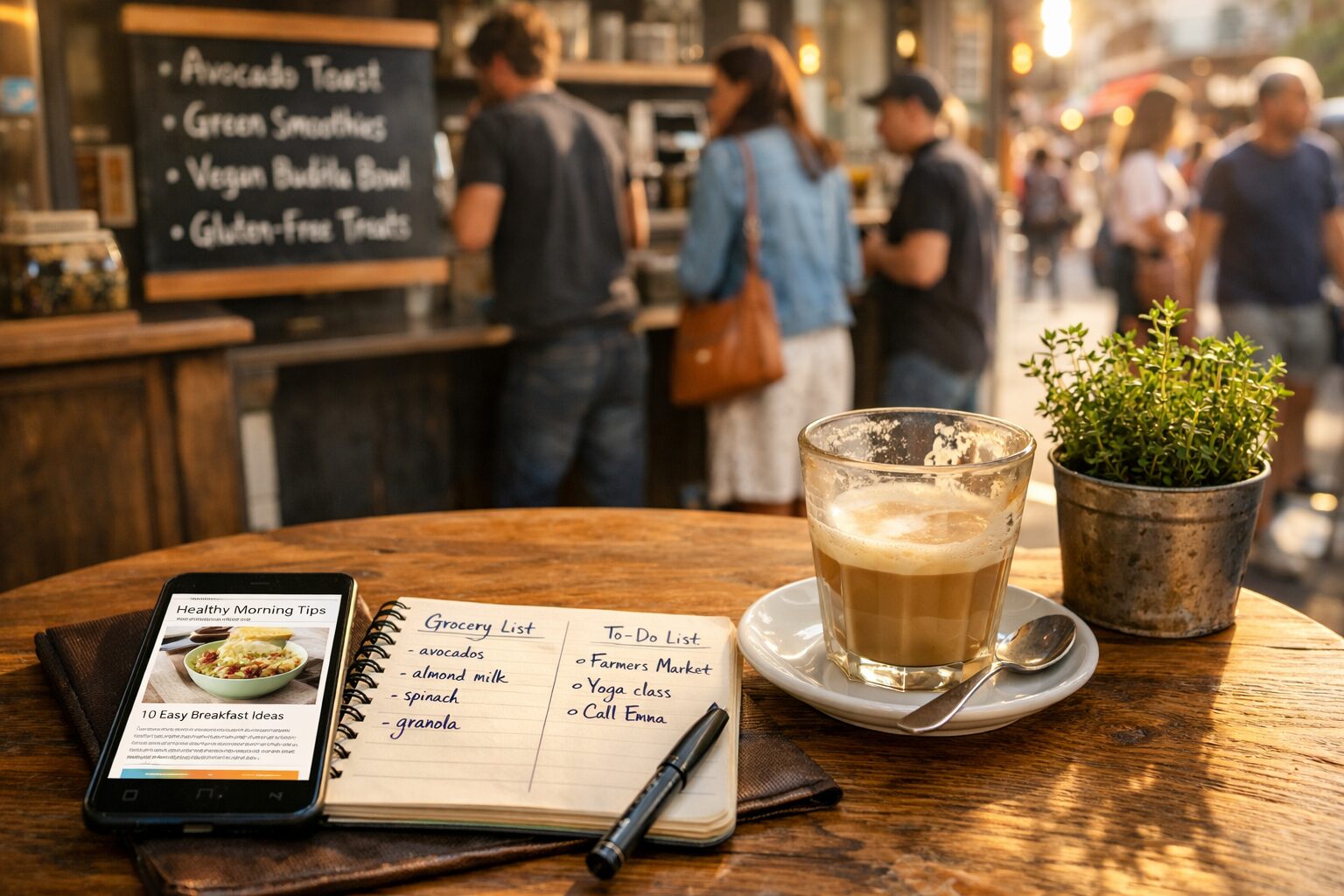
Search Engine Optimisation used to be a technical checklist; now it quietly composes parts of everyday life. Streets, cafés and playlists reflect the words people type into search bars. Blog posts optimised for long-tail queries—‘best oat milk latte near me’, ‘budget Scandinavian living room ideas’, ‘sustainable commuter wardrobe’—do more than attract clicks: they nudge cafés to stock oat milk, interior shops to market pared-back lighting, and influencers to normalise commuter-friendly capsule wardrobes. This section examines how SEO-shaped content becomes a feedback loop, turning algorithmic demand into physical offerings and social signals.
The feedback loop is not uniform. High-traffic blogs with strong SEO can turn niche adjectives into neighbourhood identity markers. For example, a cluster of lifestyle posts about ‘slow brunches’ can reframe weekend routines, altering booking patterns, menu development and even local timetables. The result is a subtle cultural choreography where search terms choreograph commercial and communal behaviour.
Micro-trends: How Blogs Manufacture Habits
Blogs optimise for discoverability; discoverability creates replicability. This is the engine of modern micro-trends: a well-optimised post can seed habit formation by combining practical advice with accessible language and shareable formats. Readers don’t just adopt a product, they adopt a ritual—‘five-minute mindfulness before work’, ‘plant-based taco Tuesday’, ‘weekend digital detox’. Because SEO favours clarity and repeatable phrases, these rituals are easily copied across regions and demographics.
Unlike old-fashioned trend cycles driven by fashion editors or broadcast media, SEO-boosted blogs scale rapidly and democratically. A gardening how-to that ranks highly for ‘balcony food herbs’ can inspire thousands to convert window sills into micro-kitchen gardens, changing local supply chains for pots, compost and seeds. The cultural shift is bottom-up and distributed, yet orchestrated by search intent.
The New Rituals of Reading, Sharing and Credibility
Reading culture has shifted from deep, infrequent engagement to routine, task-driven consumption. SEO-friendly blogs are written to match these new patterns: scannable headings, listicles, and modular advice make content usable in micro-moments. That usability fosters rituals—consulting a blog before a purchase, sharing a how-to in group chats, or bookmarking a seasonal guide—that stitch into daily life.
Credibility now often hinges on visibility. High-ranking posts accrue social proof and are more likely to be cited offline: cafés print menu items they found on blogs, DIY groups adopt methods from top results, and local councils sometimes rely on popular guides when consulting residents. There’s a democratic risk and reward here: visibility can elevate marginal voices and solidify inaccuracies alike, reshaping what communities accept as normal knowledge.
Automated Content, Authenticity and Cultural Speed
Automation and AI have accelerated this cultural engine. Tools that auto-generate articles—such as services like autoarticle.net that publish directly to WordPress and HubSpot—compress the time between a nascent search trend and a published how-to. That speed boosts responsiveness: culture adapts faster to new desires and constraints. However, the trade-off is authenticity. When AI-produced posts mirror trending keywords without lived experience, rituals can become hollow mimicry rather than meaningful adoption.
The paradox is that AI can amplify underrepresented perspectives at scale while also flattening nuance. A community insight can be elevated via automated publishing, yet lose context in the condensation for SEO. Readers and publishers must therefore cultivate heuristics—signals of credibility beyond rank—such as author provenance, citations and community endorsements, to preserve cultural richness.
Designing for Healthy Culture in an SEO-Driven World
If blogs shape habits, then publishers and platforms carry a civic responsibility. Thoughtful SEO strategies can be used to promote sustainable behaviours, local resilience and mental wellbeing rather than merely chasing clicks. Practical steps include prioritising depth over churn, earmarking editorial space for under-heard communities, and using metadata to surface helpful, evidence-based resources during moments of need.
Brands and creators should also consider cultural externalities: what norms are their optimised posts normalising? A recipe that consistently champions single-use ingredients can raise short-term engagement but nudge consumer waste upwards. Conversely, optimised guides to repair, upcycling and community action can seed lasting positive trends. In short, SEO is a cultural tool; wielded conscientiously, it can amplify better habits as readily as it can propagate fads.