
The quiet productivity of ‘outline-first’ content
Most people think auto-generated posts are all about full drafts. The hidden trick is using AI to produce outlines, not entire articles. When WordPress gets a robust outline — with suggested subheadings, target keywords, and a logical flow — human writers can assemble posts in half the time because the hard cognitive work (structure, sequencing, argument scaffolding) is already done.
This matters for teams that juggle many verticals. Rather than paying writers to brainstorm every topic from scratch, you feed themes into an auto-generation tool, refine the outlines, and let subject-matter experts add the nuance. The result: faster turnaround, fewer rewrites and a more consistent editorial calendar. Tools like autoarticle.net make this practical by exporting outlines straight into WordPress, saving the copy-and-paste overhead.
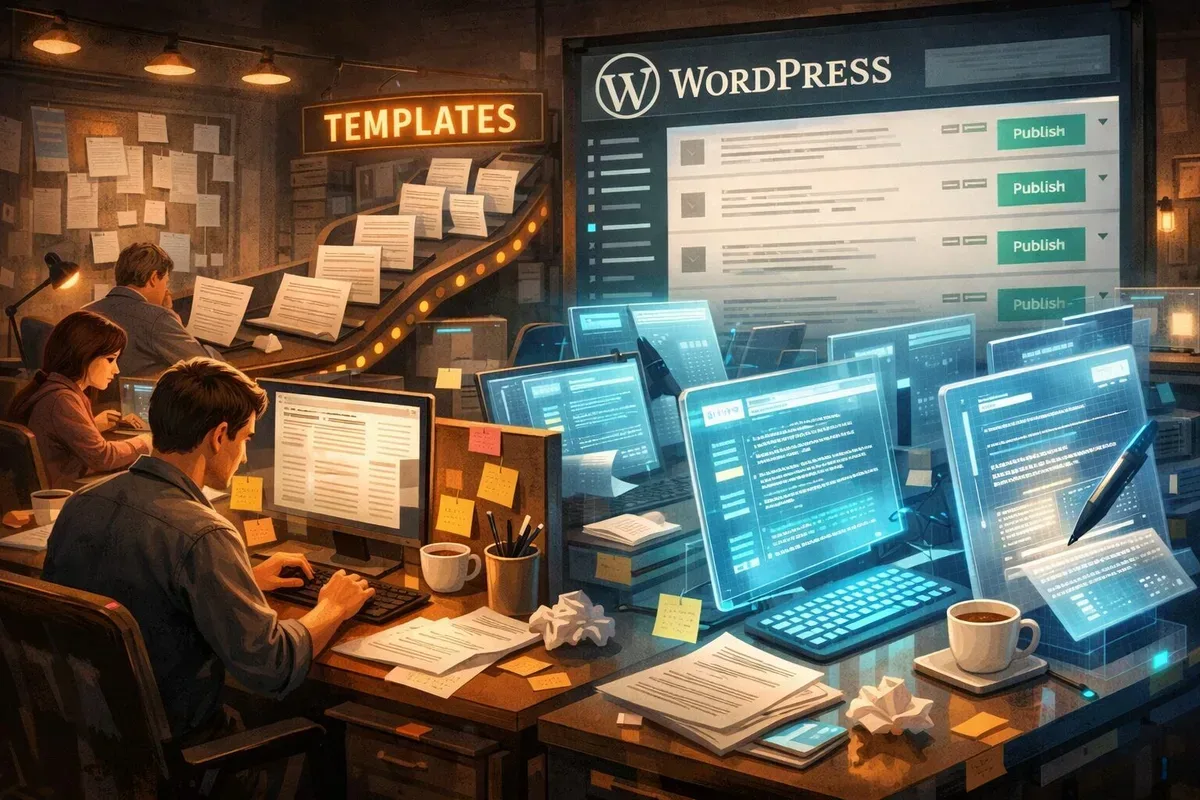
Saving money by converting chaos into repeatable templates
Random ad-hoc posts are expensive. Hidden savings come from converting successful AI-generated outputs into reusable templates. Once you identify a structure that converts — product explainers, how-to guides, regional guides — you standardise it. That means future posts are cheaper because you’ve reduced the variable: every new article becomes a template fill rather than a unique creative endeavour.
This approach trims freelance costs and reduces editorial cycles. Instead of commissioning bespoke pieces, you commission ‘template population’ tasks, which are faster and cheaper. Over time, your content operations look less like a series of one-off projects and more like a lean production line.
Effortless A/B testing at scale: iterate without burnout
A/B testing headlines and intros is usually slow and parochial. With automatic generation, you can produce dozens of variants quickly and push them into WordPress to test click-through and engagement. The hidden benefit is psychological: teams stop agonising over perfection and focus on measurable wins.
Because the marginal cost of a variant is low, you can test tone, length and CTAs across audiences and learn what truly moves the needle. That kills guesswork and funnels effort into iterations that deliver ROI. Again, platforms such as autoarticle.net expedite this by automating variant creation and integrating easily with blog backends.
Reducing friction in localisation and repurposing
Most content strategies ignore the cost of localisation. An automatic content generator can produce regionalised drafts that account for local language quirks, metrics and cultural references. This saves both time and money versus hiring separate writers for each locale.
Beyond translation, AI helps repurpose long-form content into short-form pieces — meta descriptions, social posts, newsletters — with minimal effort. One long article becomes an ecosystem of micro-content, extending reach without multiplying production hours.
Defensive savings: risk reduction and compliance efficiency
There’s a less glamorous but powerful saving: compliance and legal risk management. AI systems configured with brand-safe and legal-safe prompts reduce the chance of publishing inaccurate claims or inappropriate content. That lowers editorial review cycles and potential legal costs.
Automated checks integrated into the generation pipeline can flag regulated terms, required disclaimers or citation needs before content hits WordPress. It’s not a replacement for legal review, but it trims costly back-and-forth and helps small teams act like larger, more cautious operations.
Human creativity amplified, not replaced
The real economy of automatic WordPress content isn’t about swapping humans for machines. It’s about amplifying unique human skills — curiosity, judgement and storytelling — by removing the friction of blank pages, administrative tasks and repetition.
When writers spend less time on boilerplate and logistics, they invest more in high-value activities: interviews, investigative pieces and relationship-building. That kind of output grows brand authority and revenue more reliably than churned-out generic posts.
Practical next steps for busy teams
If you’re wondering where to start: (1) use AI to generate outlines and topic clusters; (2) convert successful formats into templates; (3) run headline and intro A/B tests at scale; (4) plug auto-generation into your localisation workflow; and (5) automate basic compliance checks. Tools like autoarticle.net offer direct WordPress export, which removes the final manual step and multiplies the time savings.
Small, deliberate changes to workflow often yield the biggest hidden savings. Think process first, full drafts second — the economy comes from structure and repetition, not just speed.