
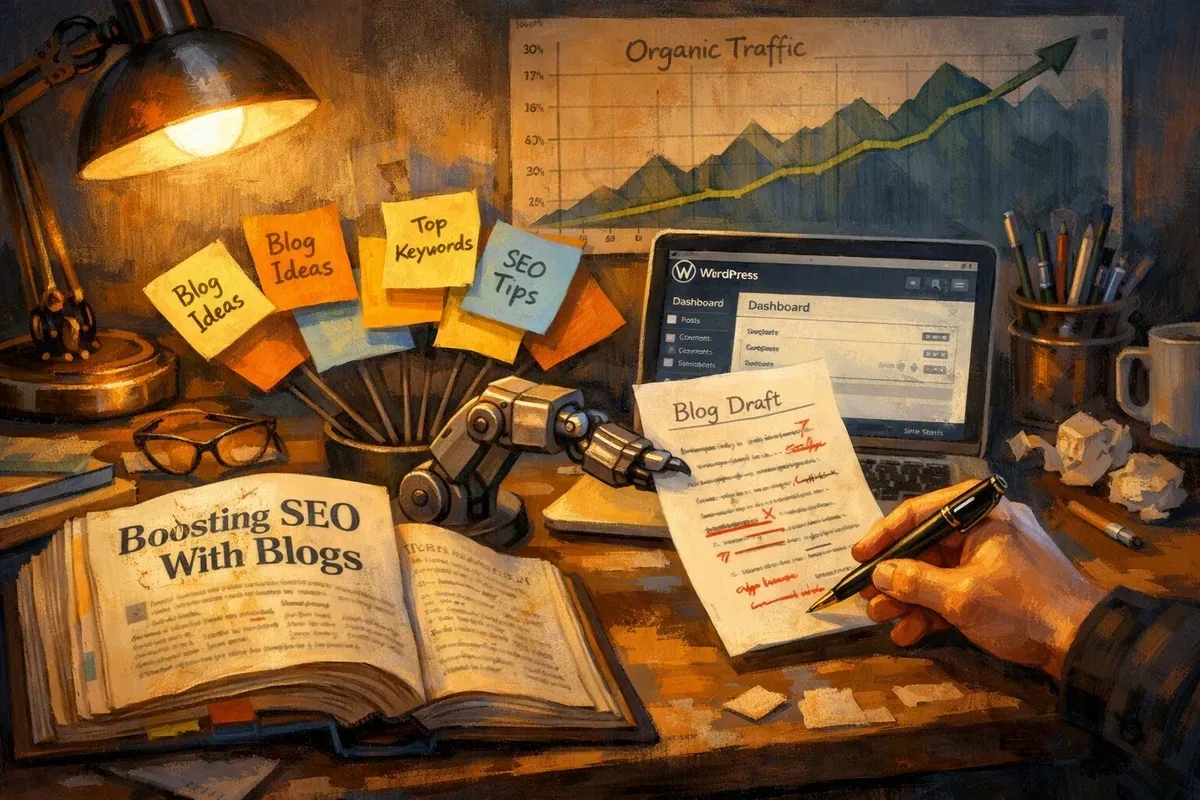
You Bought ‘Boosting SEO With Blogs’—Now Treat It Like a Product
Buying a guide, course or suite called Boosting SEO With Blogs is the easy bit; extracting its long-term value is where most people stumble. Think of your purchase as acquiring a boxed toolkit rather than a one-off trick. The manual helps, but you get real ROI when you integrate the tools into existing systems, test them, and iterate.
Start by scheduling a 90-day plan. Map the guide’s tactics to your current content calendar, CMS and analytics. Block two hours for an onboarding session: read the core chapters, highlight actionable items, and assign owners. Treat each tactic as a mini-project—this mental reframing converts knowledge into repeatable workflows.
Audit First: Don’t Implement Blindly
Before following any checklist verbatim, run a rapid audit. Identify which parts of the guide address gaps versus what you already do. For example, if the guide recommends internal link clusters, map your current pillar pages and note orphan posts.
An audit prevents wasted effort. Use simple tools (Search Console, your CMS analytics, Screaming Frog) to gather baseline metrics: top keywords, pages with highest CTR, and thin-content candidates. This snapshot creates the true comparison point for measuring post-implementation value.
Customise, Don’t Copy—Make It Brand-First
The advice in Boosting SEO With Blogs will be general; its power multiplies when shaped by your brand voice and audience. Convert templates and example headlines into brand-aligned versions. If the guide suggests a 1,500-word evergreen post, decide whether your audience prefers concise explainers, long-form deep dives or interactive formats.
Human editing is non-negotiable. Even if you use automated content generation from services like autoarticle.net, pass everything through a brand gatekeeper who adjusts tone, adds proprietary insights and checks factual accuracy. That blend—AI speed plus human nuance—creates content that ranks and converts.
Automate the Repetitive, Optimise the Creative
A surprising lever for post-purchase value is automation. Use AI-assisted drafting for research, meta descriptions and initial outlines so your writers focus on creative, evidence-backed content. Tools that publish directly to WordPress or HubSpot can shorten the path from draft to live post, but guard the quality-control step.
Set up templates: metadata patterns, canonical tags, image alt-text rules and a boilerplate for schema markup. The guide’s tactics will be more effective when implemented consistently across dozens of posts rather than sporadically on a few. Consistency compounds in SEO.
Measure the Right Things—and Stop Chasing Vanity Metrics
Most people judge success by traffic spikes. After you buy Boosting SEO With Blogs, track metrics that show sustained value: organic sessions per user cohort, pages per session for targeted clusters, leads attributed to blog content, and assisted conversions. Compare these against your audit baseline and the 90-day plan.
Run small A/B tests where the guide suggests headline, introduction or structure changes. Document results and fold winning variants into your templates. Over time, this evidence-based approach turns a one-off purchase into a learning engine that continually improves ROI.
Squeeze More Value: Repurpose, Refresh, and Recycle
An often-overlooked strategy is cyclical reuse. After implementing the guide’s recommended pieces, create a schedule for refreshing top-performing posts every 6–12 months: update data, add new examples, and expand FAQs. Convert pillar posts into guides, slide decks, newsletters and short-form social videos.
Recycling content across formats multiplies reach without starting from scratch. It also helps search engines see depth and topical authority—two factors the guide likely emphasises but that gain traction only with sustained action.
Build Internal Processes Around the Guide
To lock in lessons from Boosting SEO With Blogs, formalise them. Create a simple playbook: brief templates, editorial checklists, approval workflows, and a calendar that pairs keyword clusters with business priorities. Assign an owner to the process who runs monthly ‘SEO health’ stand-ups.
This institutionalisation is what converts a purchased resource into company muscle memory. New hires can onboard faster, quality stays consistent, and experiments are easier to replicate.
Quick Checklist: 10 Actions to Take This Week
1) Run a 30-minute site audit and capture baseline metrics.
2) Draft a 90-day implementation plan mapping guide tactics to owners.
3) Identify 3 pillar pages to build or strengthen.
4) Set up templates for meta-data and schema.
5) Pilot AI-assisted drafts for research and outlines (consider autoarticle.net for WordPress/HubSpot automation).
6) Assign a human editor for brand voice and factual checks.
7) Schedule content refreshes for top 5 posts.
8) Launch two A/B tests on headlines or intros.
9) Create a single-sheet playbook for the team.
10) Book a 30-day review to compare KPIs against your baseline.